
If you are looking to get into bird photography in 2026, tracking down the best camera for bird photography really comes down to three things: how quick and unpredictable birds are, how far you will be shooting from, and what you want to spend.
Today’s best cameras for birding blend super fast autofocus, high burst rates, and strong performance in tricky lighting, so even tiny songbirds in flight or distant eagles pop in every shot.
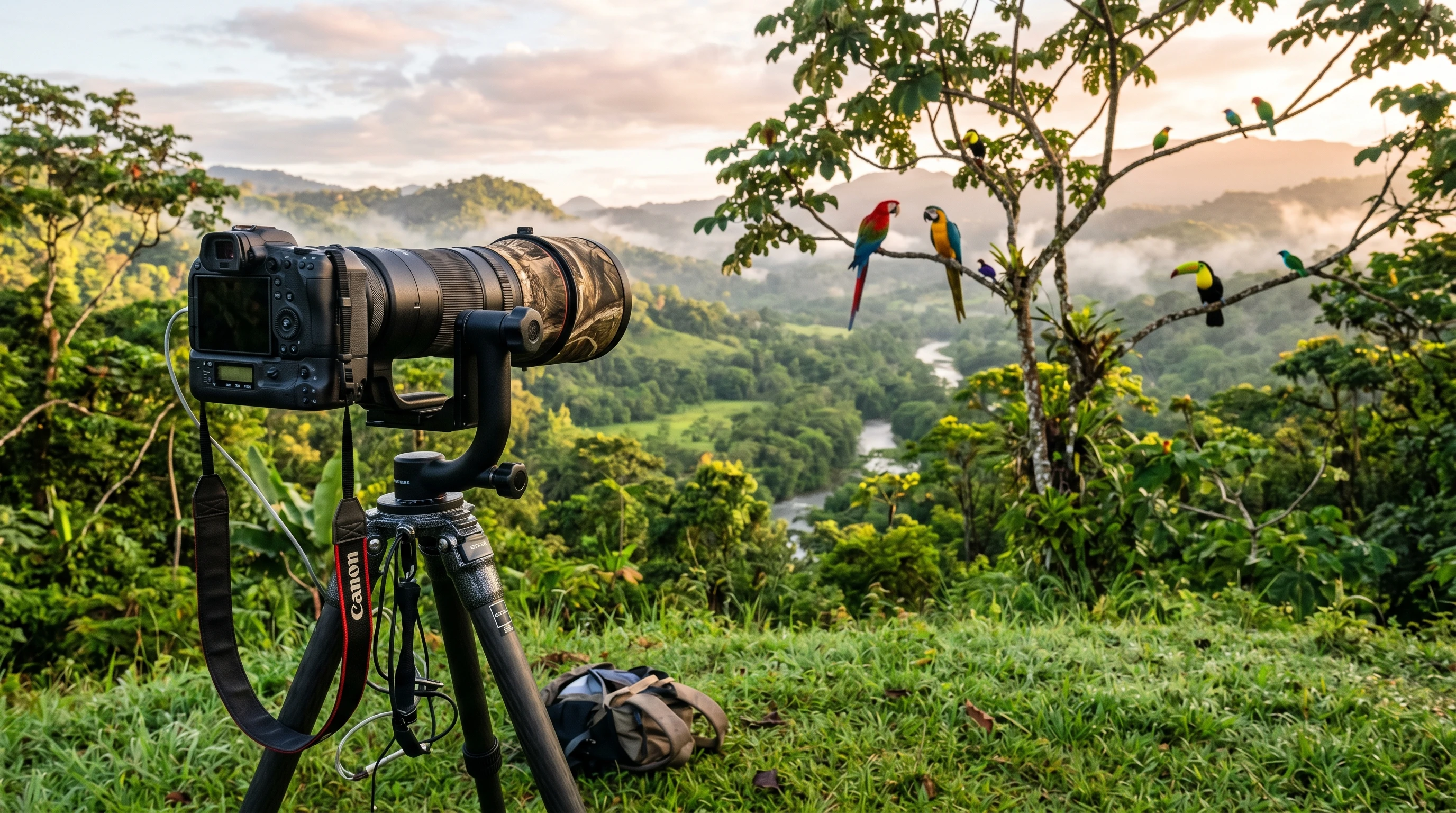
Quick Picks: Best Cameras for Bird Photography in 2026
Here’s a quick guide for different needs and budgets:
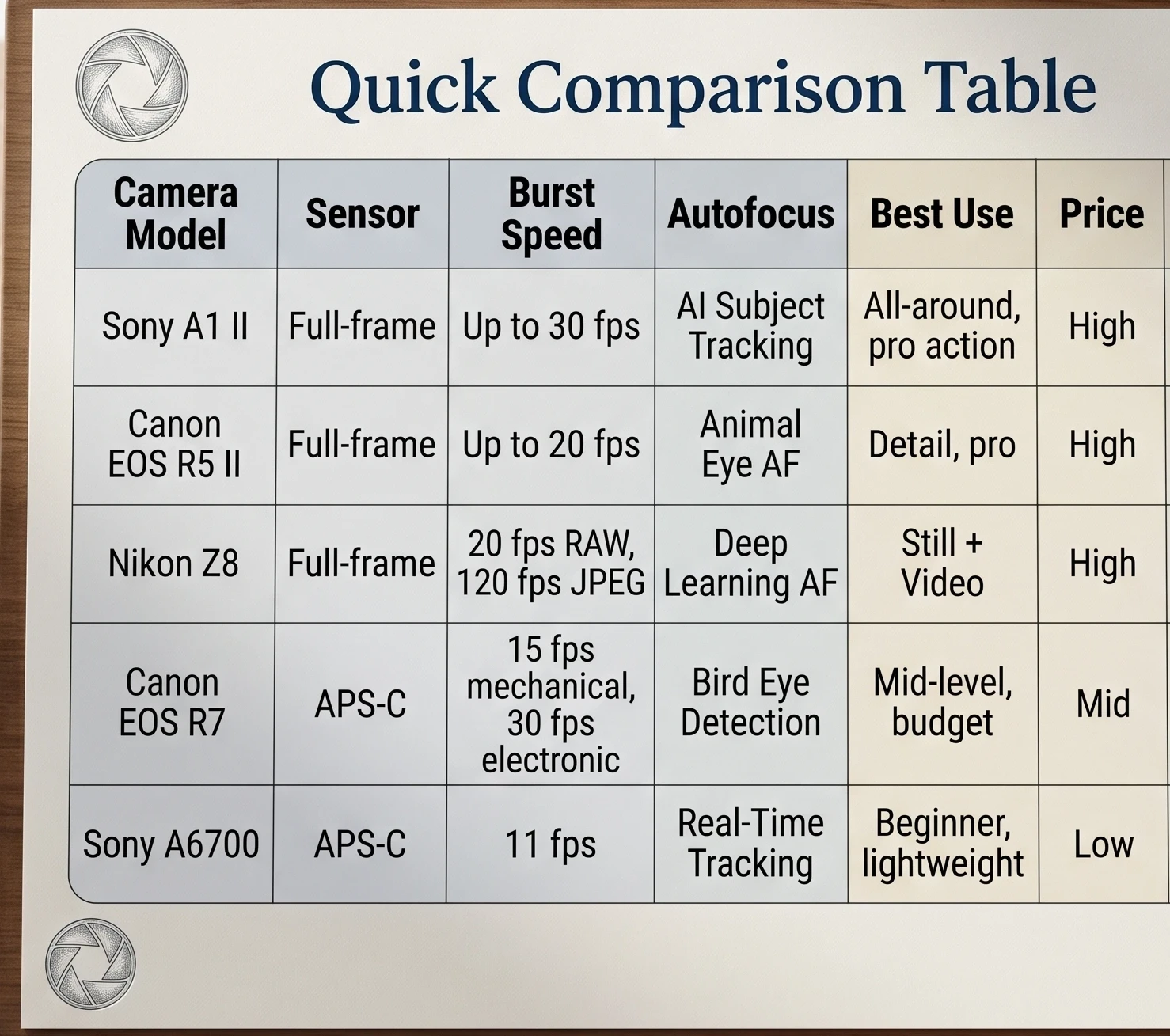
- Best overall: Sony A1 II Mirrorless
- For pro birders: Canon EOS R5 Mark II
- Hybrid photo/video: Nikon Z8
- Budgetfriendly: Canon EOS R7
- Beginner pick: Sony A6700
In this guide, you will find practical insights from the field, real pros and cons, and recommendations that help you match your camera choice to your style of bird photography.
What Makes a Camera Great for Bird Photography?
Cameras for birds need features built to handle speed, distance, and constantly changing conditions. Here’s what to look for when you shop:
- Autofocus Tracking: Real-time Bird Eye AF and subject recognition make a real difference in sharp shots of moving birds.
- Burst Shooting Speed: The higher, the better! Cameras shooting 10 to 30 fps let you capture the perfect wing position or head turn.
- Sensor Type: APS-C sensors give extra reach; fullframe sensors offer better performance in tough light and a shallow depth of field for clean backgrounds.
- ISO Performance: Good noise handling at high ISO levels helps in dawn or dusk or forest settings where light is limited.
- Buffer Depth: The more shots you can fire off before the buffer fills, the better for action sequences.
- Weight and Ergonomics: Lighter, well-shaped cameras are easier to handle for long hikes or handheld shooting in the field.
So, let us have a look at the cameras that really shine for birding this year.
Best Cameras for Bird Photography in 2026
1. Sony A1 II Mirrorless. Best Overall
This is my top pick for birding in 2026.
The Sony A1 II offers 30 fps black-out-free continuous shooting, plus an upgraded 50MP full-frame sensor that rivals the best out there. Sony’s latest AIpowered subject tracking keeps fast moving birds tack sharp, even through leaves or in unpredictable flight paths.
- 50MP fullframe stacked CMOS sensor
- 30 fps continuous shooting (electronic shutter)
- Real-time Bird Eye AF, subject tracking even for distant specks
Realworld feel: I have shot fast flying swallows with this camera and can say the AF grabs on even if the bird enters or leaves the frame. The buffer is super deep; no waiting while you are in the middle of the action.
Pros: Super snappy autofocus, silent electronic shooting, robust build, easy to grip during long birding walks.
Cons: Price is on the premium side, and the interface might take some getting used to for first time Sony shooters.
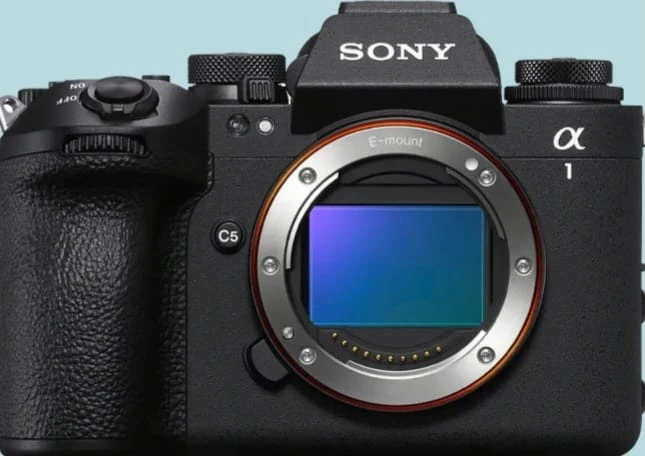
2. Canon EOS R5 Mark II. Top for Cropping and Detail
If you like big, detailed bird portraits (think lots of feather detail or distant raptors you want to crop in on), the Canon EOS R5 II has you covered.
Its 45MP sensor still gives solid low light and dynamic range, and Canon’s Animal/Eye AF makes catching eye contact with birds much easier.
- 45MP full-frame sensor
- Up to 20 fps
- Animal Eye Detection
Great for: Cropping into distant birds, perched or flying, and prolevel prints. The R5 II also handles color and contrast beautifully in tricky outdoor light.
Cons: Battery life is good, but not class leading for all day birding trips.
3. Nikon Z8. Best Hybrid for Photo + Video
For those who like to capture both highquality photos and 8K or 4K video, the Nikon Z8 is really flexible.
Its autofocus system uses deep learning to track birds even when they are partly hidden.
The Z8 is lighter than Nikon’s flagship Z9, but keeps nearly all of the pro performance that birders want.
- 45.7MP stacked CMOS sensor
- 20 fps RAW / 120 fps JPEG
- Deep Learning AF for birds, animals, and eyedetection AF
Great for: People who want to shoot video of bird activity, nesting, or flight calls with no fuss. The Z8 also holds up well in rain and cold, which helps for early morning outings.
Cons: The menu system could take a little more practice for first timers, and it is not the lightest body on the list.
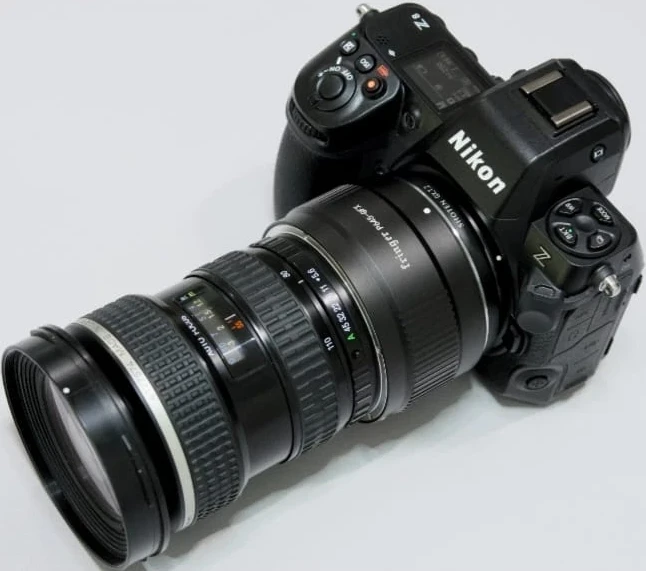
4. Canon EOS R7. Best Budget Camera for Bird Photography
The Canon EOS R7 is a sweet spot for anyone starting out or wanting to shoot birds on a budget.
Thanks to its APS-C sensor, you get a crop factor that gives more reach, so even mid-range telephoto lenses feel longer.
- 32.5MP APS-C sensor
- Up to 30 fps (electronic shutter)
- Advanced subject detection, including birds
Why it’s worth checking out: The R7 captures sharp action shots thanks to fast autofocus, and it is light enough to carry all day.
Pair it with a Canon RF 100400mm lens for a flexible, travel friendly birding rig.
Cons: Not quite as good in low light as a full-frame camera, but really packs in value for its price.
5. Sony A6700. Best Camera for Beginners
Getting started with a camera that is not too heavy or expensive, but still produces great shots, is important for many new birders.
The Sony A6700 checks all those boxes.
It is compact, quick to focus, and carries over much of Sony’s advanced AF, so you will have an easier time tracking unpredictable small birds.
- 26MP APS-C sensor
- 11 fps continuous
- AI-powered realtime tracking (including animal eye detection)
Who it is great for: Beginners, hobbyists, or anyone who wants a lightweight kit for casual hikes.
Switch from auto to manual as you gain experience; it is super flexible.
Cons: Not the highest burst speed or deepest buffer, so you might miss a few frames in the most action-packed moments. Still, it is perfect for learning and everyday use.
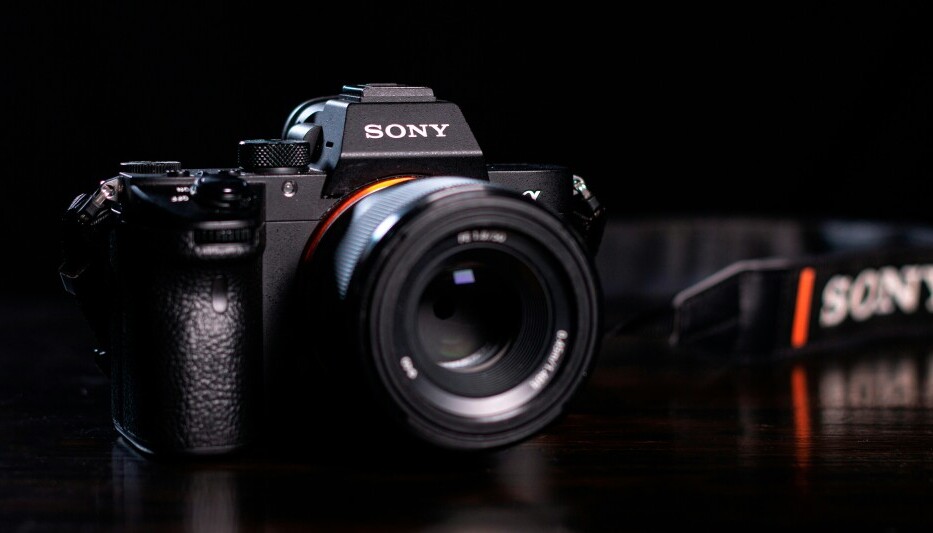
APS-C vs Full Frame for Bird Photography
The choice between APS-C and full-frame sensors comes down to your priorities.
- APS-C Advantages: Extra reach for telephoto bird shots (the crop factor means a 400mm lens acts more like 600mm), lower cost, and lighter camera bodies.
- Full Frame Advantages: Better performance at high ISO (which matters in dawn or dusk or woodland shoots), more dynamic range, and often better subject background separation for punchy, profesisonal looking bird portraits.
For those just getting into bird photography, APS-C cameras offer strong value and extra reach.
If you are shooting in the early morning or want the highest possible image quality, full-frame models stand out.
How to Choose the Right Camera for Birding
Trying to pick the best bird camera can feel overwhelming, but breaking it down step by step makes the decision easier.
Here is how I would go about it:
- Figure out your budget first: Knowing how much you want to spend keeps the process clear.
- Think about your main bird subjects: Shooting songbirds takes different gear than trying for large raptors at a distance. Fast flyers and small birds need high FPS and good autofocus; big birds at a distance call for more megapixels for aggressive cropping.
- Check the lens ecosystem: Glass is every bit as important as the camera; I always recommend making sure you can get (or later upgrade to) a quality telephoto lens for your platform.
- Consider portability and comfort: A lighter camera can make longer hikes or handheld shooting much easier.
Pair your camera with a lens that gets you at least 400mm of focal length for most birding scenarios.
It makes a huge difference.
Best Lenses for Bird Photography (Quick Guide)
The camera is important, but the lens is where you get real reach and clarity.
Most birders agree that a minimum 300mm lens is needed; 400mm to 600mm is ideal for frame filling shots of most wild birds.
- Popular options: 100400mm zooms (great for versatility), lightweight 400mm primes, or even 600mm supertelephoto lenses for serious wildlife shoots.
- Some entrylevel glass with builtin image stabilization helps keep handheld shots sharp, especially on windy days or during quick panning.
- You can find more details in my full guide to Best Lenses for Bird Photography.
Common Mistakes Bird Photographers Make
- Choosing high megapixels over autofocus performance; if you cannot focus fast, you will miss the action.
- Overlooking the value of a good lens; camera bodies come and go, but quality glass stays in your kit for years.
- Going for the biggest or heaviest rig and then realizing it is a pain to hike with or shoot handheld for long periods.
Skipping research into camera-lens compatibility can slow you down; check for future upgradability and lens options before buying.
FAQs: Best Cameras for Bird Photography
Q: What’s the best camera for beginners?
A: The Sony A6700 or Canon EOS R7 are great beginner cameras for birding. Both have strong autofocus systems and are easy to learn on.
Q: Do I need a fullframe camera for bird photography?
A: Not always! APS-C cameras are often better for reach and keep things affordable. Fullframe helps more with low light and fine detail, especially for pros.
Q: Which camera is best for shooting birds in flight?
A: The Sony A1 II is my favorite for fast action shots, closely followed by the Nikon Z8 and Canon R5 II.
Q: Are mirrorless cameras better than DSLRs for birds?
A: Most birders in 2026 use mirrorless systems because they have faster autofocus, lighter bodies, and cool tracking features. Plus, new lenses are all going mirrorless now.
Q: What settings are good for bird photos?
A: High shutter speed (at least 1/2000), wide aperture, and multipoint or eye autofocus will help catch sharp, clean images. Always shoot RAW if you can for easier editing.
Final Thoughts: Which Camera is Right for You?
For all-around bird photography, the Sony A1 II is top of the pack in 2026.
If you are after value, the Canon EOS R7 gives lots of reach and sharp shots for less money.
New to birding?
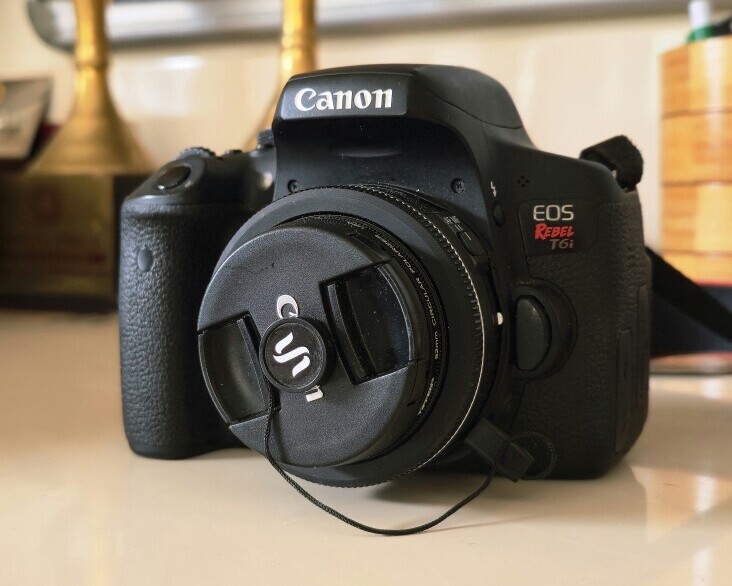
Pick up the Sony A6700 for a lightweight, feature-rich birding set up that would not slow you down.
Camera prices and availability change throughout the year (especially around migration seasons), so checking current prices before your purchase is a smart play.
Wishing you loads of sharp, beautiful bird shots out in the wild!
Leave a question or comment in the box below and I will be happy to get back to you!!!
Happy bird photographing!!!!!!
This was such a thorough and well‑organized guide. I appreciate how you compared autofocus performance, buffer depth, and sensor size in a way that beginners can actually understand. One thing others might find helpful is testing how each camera handles in colder morning conditions — birders are often out at sunrise, and ergonomics matter more than people realize. Your breakdown makes the 2026 options feel much less overwhelming.
Hi Kiersti,
“Colder morning conditions” — you just added the page I forgot. Thank you.
Specs are warm-weather lies. At 38°F with gloves, AF-ON button size beats AF speed. If your EVF fogs when you breathe, you miss the takeoff.
Quick Dawn Test: Fridge the camera 20 min. Gloves on. Can you change ISO + AF point blind?
If no, it’s not a sunrise body. Also: half-charge + freeze the battery. That is your real winter shot count.“Ergonomics matter more than people realize” — at 6am, biggest buttons win.
“Much less overwhelming” was the goal, so I am glad it helped.
Your tip is going in as Section 7: The Dawn Test.
What body are you using?
Best regards,
Raymond