
Capturing songbirds in springtime can be one of the most rewarding experiences for both new and experienced wildlife photographers.
Spring creates the best conditions for dramatic, vibrant photos, thanks to increased bird activity, brighter breeding colors, and a whole lot of beautiful singing and courtship behavior.
I have found that it is the perfect season for snapping sharp, lively images that really pop.
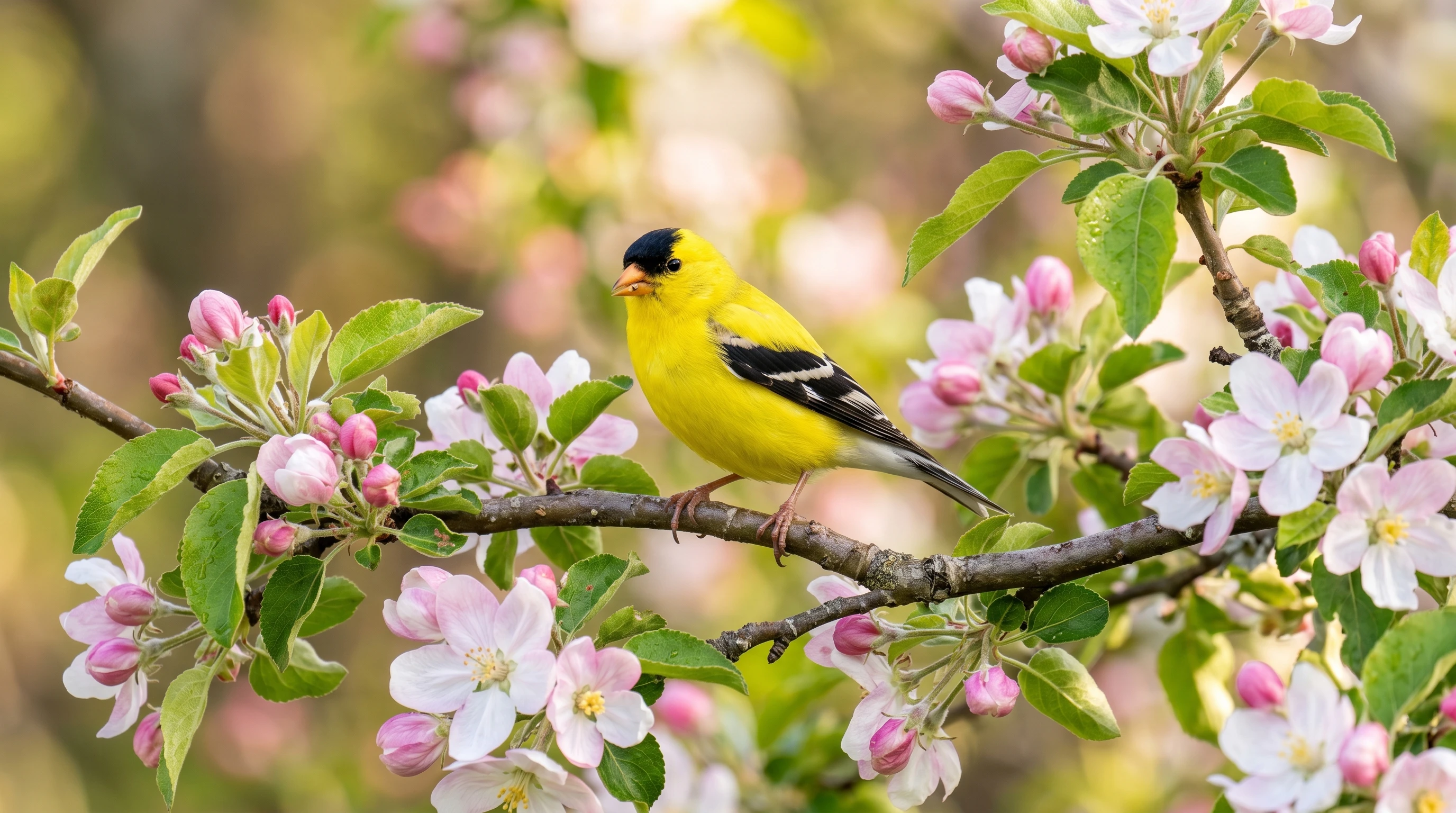
Why Spring Is Awesome for Songbird Photography
Spring really is the peak season for photographing songbirds, and there are a bunch of reasons for that.
Birds become more visible as they claim territories and show off their brightest plumage.
All that singing, dancing, nest building, and feeding gives you end-less photo opportunities.
- Increased Activity: Birds are eager to attract mates, so they are out in the open more often and moving around with purpose.
- Breeding Colors: Their feathers are in top condition, showing off those eye catching blues, reds, and yellows.
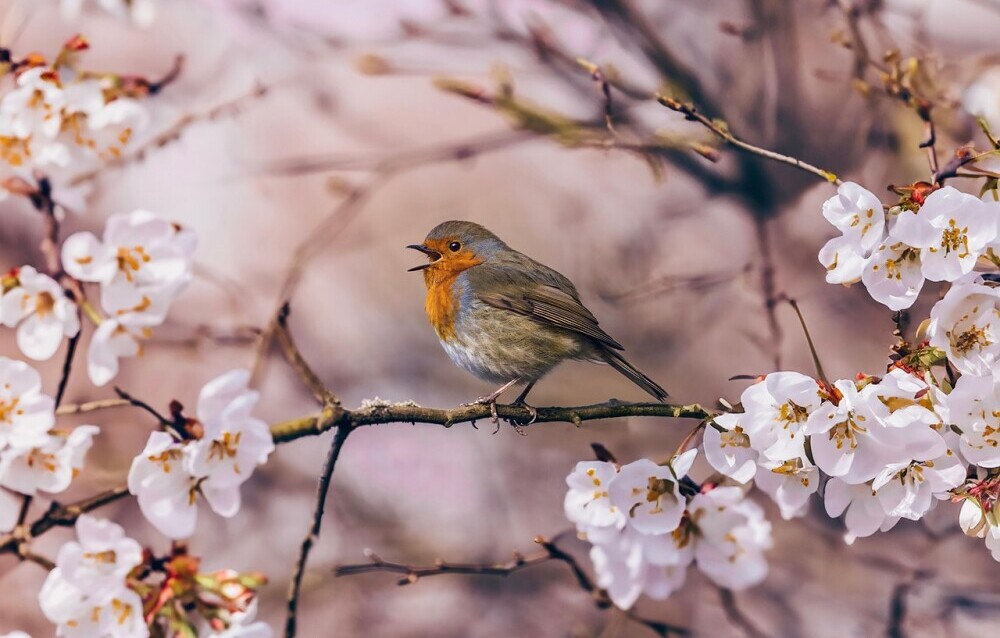
- Displays and Singing: Courtship displays are much easier to spot in spring, and birds love singing from high, exposed perches.
- Nest building: Many birds get super busy gathering materials and feeding chicks, giving you the chance to capture some real action.
If there is a time to get out there with your camera, spring is it.
You might also notice how accessible wildlife becomes right now. Neighborhoods and local parks fill with activity, and you rarely have to travel far to stumble upon something exciting.
Whether in city spaces or quiet forests, songbirds flock to show off their best colors each spring.
For photographers, that means an easier time tracking down subject after subject.
Using Early Morning and Bird Behavior to Get Great Shots
Spotting and understanding songbird behavior goes a long way toward getting those sharp, frame worthy shots.
Spring birds tend to follow repeated routines, which makes their movements easier to predict.
If you learn these routines, you can set up and frame your shots for the perfect moment, without constantly spooking the birds.
Try spending some time just watching—notice which branches they land on again and again, the timing of their feeding rounds, and how they alert each other with calls.
If you are patient, you will find many birds will accept your presence after a while, giving you longer, closer opportunities.
- Territorial Singing: Most songbirds like to proclaim their turf from the tops of shrubs or tall branches just after sunrise.
- Repeating Patterns: Birds often visit the same perches, feeding spots, or parts of the garden several times each hour.
- Nesting Activity: Keep an eye out for birds carrying nesting material or food; they often fly the same routes again and again.
- Chick Care: Parents frequently return to feed chicks, so staking out a nest or known feeding area can be really rewarding.
Once you get the hang of these patterns, anticipating the action gets a whole lot easier.
Knowing where and when birds are likely to do something interesting is super important for catching those exciting moments.
If you spend time in your backyard or at a local hotspot, you will start to pick up on the regulars and be ready for new visitors, too.
Best Places and Times for Songbird Photography in Spring
Where to Find Songbirds
- Gardens and Backyards: Feeders, bird baths, and flowering plants pull in a good variety of songbirds right outside your window.
- Parks and Woodlands: Look for areas with mixed trees, shrubs, and open spaces.
- Hedgerows and Forest Edges: These “transition zones” attract small birds looking for food and nesting spots.
- Wetlands and Streams: During spring thaw, areas near water can be great because birds gather at the edges looking for insects and nesting material.
Best Times of Day
- Early Morning: Birds are at their most active just after dawn, the light is soft, and you will see lots of perching and singing.
- Late Afternoon: Activity ramps up again as the sun gets lower; another great time for natural, golden light.
Weather Tips
- Pick Calm Days: Wind throws tiny birds around and makes it hard to get sharp photos.
- Overcast is Good: Soft clouds act like a natural diffuser, giving you even exposure and less glare on birds’ feathers.
- Light Showers: Some birds become quite active before or right after a light spring rain, giving you opportunities for shots with droplets or fresh, clean feathers.
Expanding your locations can spark new photo ideas. Try urban parks, botanical gardens, or even open farm fields with tree lines. Each place gives you fresh compositions and more species to photograph.
Camera Settings for Sharp, Vibrant Songbird Photos
Shutter Speed
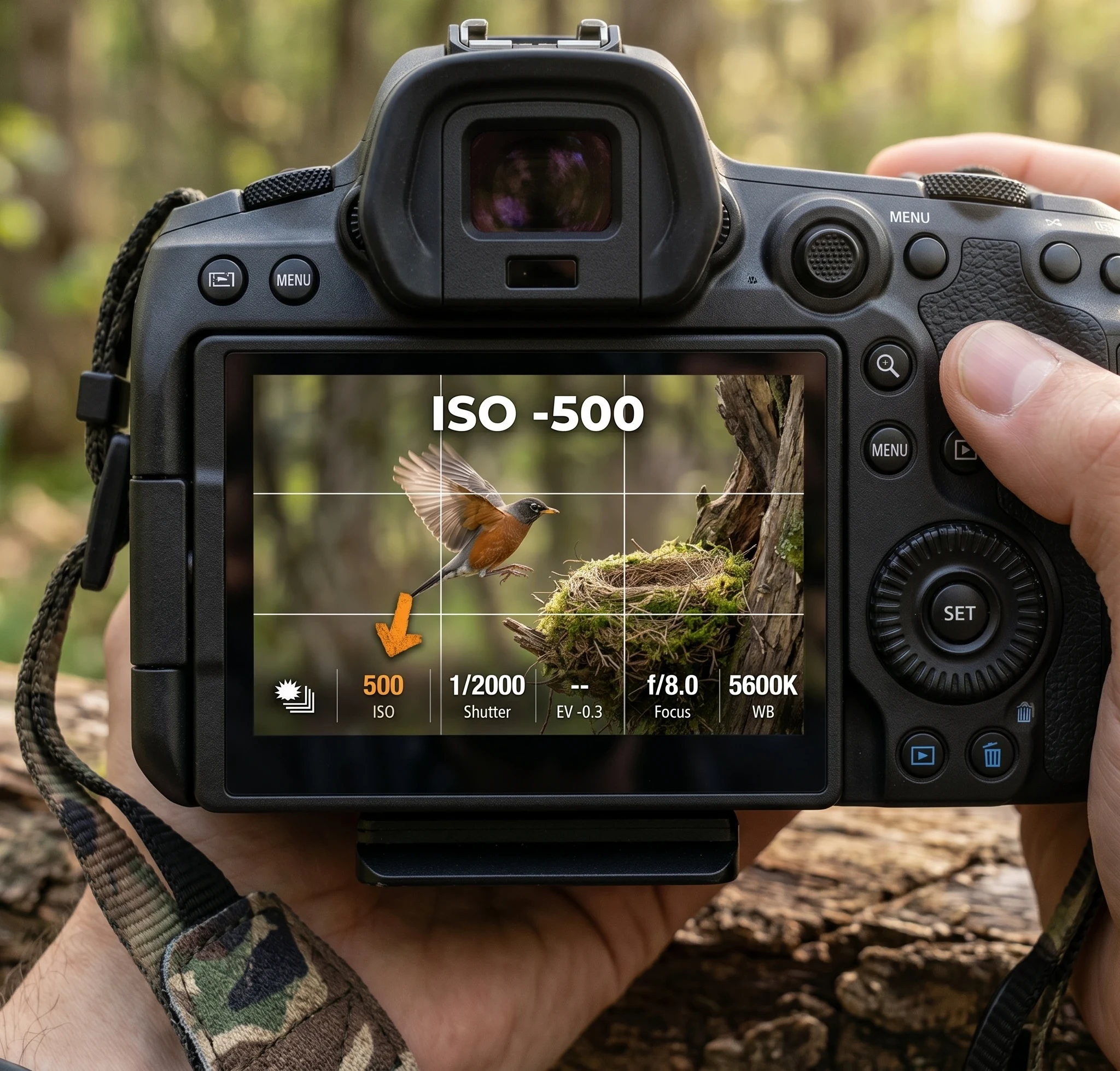
- Perched Birds: I usually go with 1/1000 to 1/1600 of a second; fast enough to freeze the tiniest twitch.
- In Flight or Feeding: Jump up to 1/2000 or faster. Songbirds are quick!
Aperture
- f/4–f/5.6: Blurs out busy backgrounds for that creamy, soft look.
- f/6.3–f/8: Adds a bit more sharpness if you want tack focused detail, especially in brighter light.
ISO
- Do not be scared of raising ISO if the light drops. I usually start around ISO 400 in the morning and go up as needed. Keeping that shutter fast is more important than super low ISO for action shots. Newer cameras handle higher ISO with less noise, so don not miss out on the moment by worrying too much about grain.
Focus Settings
- AF C/Continuous Autofocus: Tracks moving birds so the action stays in focus, not the branch behind them.
- Single Point or Small Zone: Targets the bird’s eye—absolutely the sharpest spot you want in focus.
Burst Mode
- Burst mode helps catch wing flaps, feeding, or singing; you can always delete the extras later and pick out the winner.
If your camera supports tracking autofocus, definitely give it a try.
A steady hand and a quick reaction help, but letting the camera do some of the heavy lifting will boost your overall success rate.
Best Lenses and Gear for Songbird Photography
Recommended Lenses
- 300–400mm: Perfect for birds coming to feeders or perches within 10–15 meters.
- 500–600mm: Really handy in bigger parks or for smaller, shyer birds a bit farther off.
Support Gear
- Tripod with Gimbal Head: Gives smooth tracking for birds perching or flying, especially with heavy lenses.
- Monopod: Good for mobility if you are moving around a lot but still want some extra stability.
Accessories Worth Checking Out
- Bird feeders and water dishes pull birds in close
- Naturally styled perches (branches, driftwood) put birds in pretty spots
- Fast memory cards and extra batteries; burst mode fills those cards up quick
- Camouflage clothing or a simple camo drape to hide your outline
- A portable blind or a large piece of earth toned fabric to sit or kneel behind, increasing your chances for close encounters without spooking birds
If you want to mix in some variety, experiment with different focal lengths or even wide angle lenses for dramatic close up shots in the right setting.
Sometimes the unexpected perspective grabs attention, especially when paired with either close backgrounds or unique perches.
Setting Up Feeders and Perches for Easy Songbird Photos
Backyard and Garden Setups
- Hang feeders 2–3 meters from your shooting spot, with thick shrubs or trees nearby for birds to perch.
- Stick or clamp natural looking branches nearby at various angles; birds land here to survey before eating, so you can pre focus and set your frame in advance.
- Add blooming branches, fresh leaves, or even small flowering potted plants under or near your perches. These spring touches not only draw birds, they add seasonal flair to your shot compositions without needing to change your camera position much.
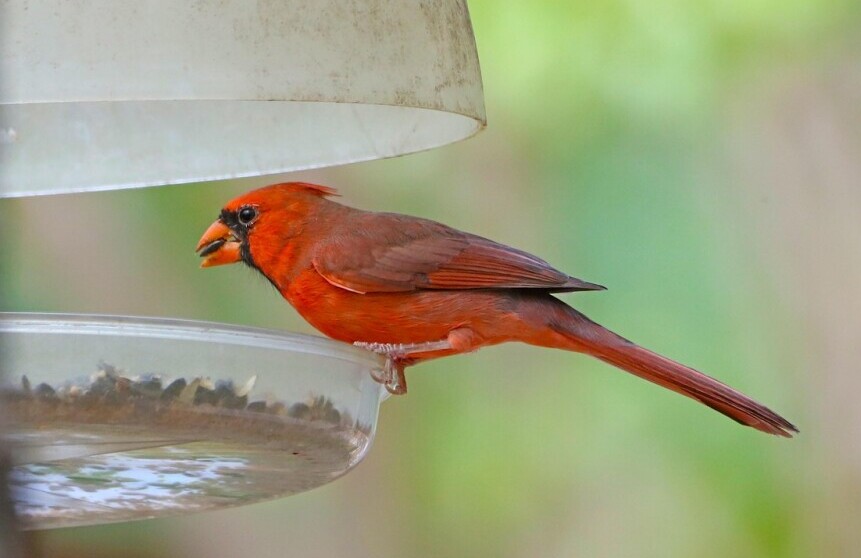
Why Feeders and Perches Are Awesome
- Makes bird positions predictable with a natural look
- Lets you practice composition before birds drop in
Try changing your perch materials occasionally.
Driftwood, mossy twigs, or leafy branches keep things interesting for your subjects and refresh your images as the season rolls on.
Lighting Tricks for Bright, Colorful Spring Bird Shots
Golden Hour
- Sunrise and sunset light gives warm glow, rich colors, and soft highlights. Bird feathers can look especially lovely around this time.
Side Lighting
- This angle carves out feather detail and adds a bit of drama, especially if the bird is in a singing pose.
Backlighting
- Position yourself so the sun is almost behind the bird; shows off those glowing edges and creates standout effects with translucent feathers.
Overcast Conditions
- Clouds erase harsh shadows, making even exposure much easier (and details less likely to blow out). If you want to crank up the color saturation, shoot just after rain or in early morning mist—drops on feathers or glowing backgrounds really make the image pop.
Many pros carry a small handheld reflector or use white poster board to direct some extra light onto shaded birds.
This trick works wonders when you are shooting at feeders or predictable perches under a thick canopy or eaves.
Just remember to keep it subtle; harsh reflections can startle birds or look unnatural on soft feathers.
Composing Eye Catching Songbird Images
Focus on the Eye
- Getting the bird’s eye sharp is super important; if nothing else, make sure the eyes are tack focused.
Use Simple Backgrounds
- Move a little left or right, or open up your lens (low f stop) to keep backgrounds soft and non distracting.
Mix in Spring Details
- Frame birds with blossoms, new leaves, or the first pops of spring green for extra interest and seasonality. Even including hints of morning dew or spiderwebs can step up your photo story with minimal effort.
Show Off Behavior
- Singing, feeding, carrying nesting material, or even a quick stretch; these tell the real story of springtime.
Whenever possible, leave extra space in the direction the bird is facing or moving.
This makes for a more dynamic photo and spotlights your subject’s next move.
Experiment with both portrait and landscape formats depending on branch angles, bird posture, and background patterns.
Remember to clean up clutter (fallen feeders or garden tools) from your frame before shooting for that pro look.
Easy Mistakes That Can Trip You Up
- Using slow shutter speeds; you will miss the sharpness. Err on the side of speed.
- Messy backgrounds; keep the shot simple.
- Getting too close; birds spook easily, especially early in the season.
- Ignoring bird behavior; if you miss the signs, you will probably miss the shot.
- Shooting in harsh midday light; colors get washed out and shadows get distracting fast.
Avoiding these hiccups will make your images instantly stronger.
Slow and steady movement or sitting quietly goes a long way when working with flighty birds.
Beginner Steps for Practicing Songbird Photography
- Start by shooting birds in your yard or a local park where they are used to people.
- Hang a feeder or put out a water dish to draw birds close.
- Practice tracking fast movements, either handheld or with monopod/tripod support.
- Visit the same spots at the same time of day; getting used to routine helps you dial in your setup fast.
- Take time reviewing your successes and near misses. Adjust your setup, camera settings, or shooting angle after checking your photos on screen.
Quick Settings and Gear Cheat Sheet
- Shutter: 1/2000+ for any movement
- Aperture: f/4–f/8, depending on background and light
- AF C, small focus point, and burst mode on
- Telephoto lens (300mm+ is pretty standard)
- Basic feeder setup or portable perch for controlled shots
- Wear muted colors and keep movements slow. This can get you close, even without a blind or camo wear.
Frequently Asked Questions
What is the best time to photograph songbirds?
Early mornings are usually the top pick; birds are super active, the light is soft, and you’ll find lots of singing and perching. Late afternoons can also be great, especially for golden hour lighting.
What lens is best for small birds?
A telephoto lens in the 300–600mm range works well for most backyard and field situations. The longer the lens, the easier it is to keep your distance while still filling the frame.
How do I attract songbirds for photography?
Set up feeders, water dishes, or native flowering plants. Adding natural perches (like branches) gives birds places to land and pose in pretty settings.
What camera settings should I use for songbirds?
Fast shutter speeds (1/1000–1/2500 for perched/action), apertures between f/4 and f/8, and continuous autofocus are my go tos. Burst mode helps capture lively behavior.
Final Thoughts
Nothing beats a spring morning in the field or your backyard, camera in hand and the air full of birdsong.
Songbird photography shines at this time of year because the birds show off their best colors, sing like crazy, and offer up behaviors and poses you just do not see in other seasons.
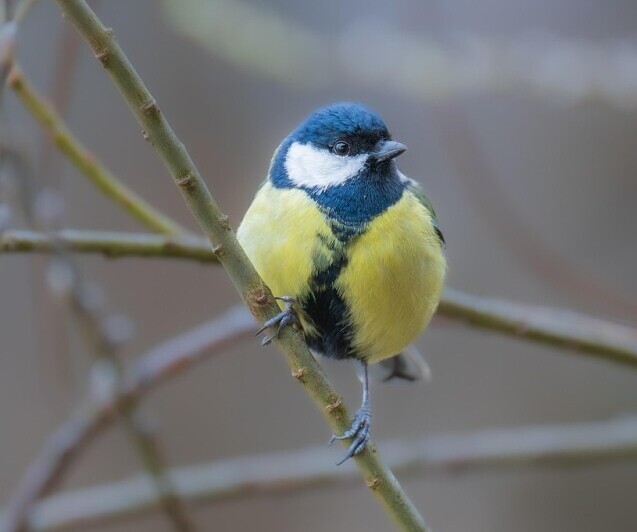
Taking time to understand both your camera and your subject is key for vibrant, jaw dropping photos.
Consistent practice, a bit of patience, and learning from each shoot make all the difference.
Remember, every spring is slightly different, so staying sharp and keeping an eye out for new arrivals or rare visitors will keep things fresh and exciting.
Looking for more tips or want to take up a notch specific skills? You might like these related reads: Best Lighting Techniques for Bird Photography,
Beginner Bird Photography Guide, or
Capturing Bird Feathers in Detail.
Leave a question or comment in the box below and I will be happy to get back to you!!!
Happy bird photographing!!!!!!
I’m really glad I took the time to come back to your site! Your guides always feel so practical and genuinely inspiring. Recently, I joined a friend on an adventure to photograph exotic birds, and it sparked a new curiosity in me to dive into capturing smaller songbirds as well. This post was just what I needed! I love how you broke down the timing, behavior patterns, and even those clever lighting tricks. It feels so much less intimidating now, and more like an art form that I can truly grow into.
When you’re setting up feeders or perches for those spring shots, do you have any go-to plants or natural props that seem to attract the more colorful species?
Hi Alysanna,
So happy you are back — and that it feels more like art now.
That is the goal!
For colorful spring species, I build around: food + safe perch + clean background.
My 3 go-tos:Sacrificial perch: Clean lichen branch 6ft from feeder.
Birds land there first. Angle for light.Native blooms: Flowering dogwood/redbud behind, columbine stem clamped near perch for hummers/orioles.
Color without the feeder in shot.Moving water: Drip stone or mister. Warblers + buntings cannot resist. Sound pulls them in.
Set it up, leave it 2-3 days to “go safe,” then shoot.
Spring breeding colors + fresh water = magic.
What species are on your wishlist?
Best regards,
Raymond