
If you are dreaming of snapping stunning photos of kingfishers right from your backyard, you are in for a rewarding but challenging project.
Attracting kingfishers for photography is not just about hoping one shows up.
It is about creating the right environment that mirrors their natural hunting grounds.
Kingfishers are pretty picky and territorial birds, and getting them to visit means you need to offer exactly what they want.
I have spent many hours setting up my own garden for bird photography, so I am sharing practical tips to make this goal a lot more reachable.
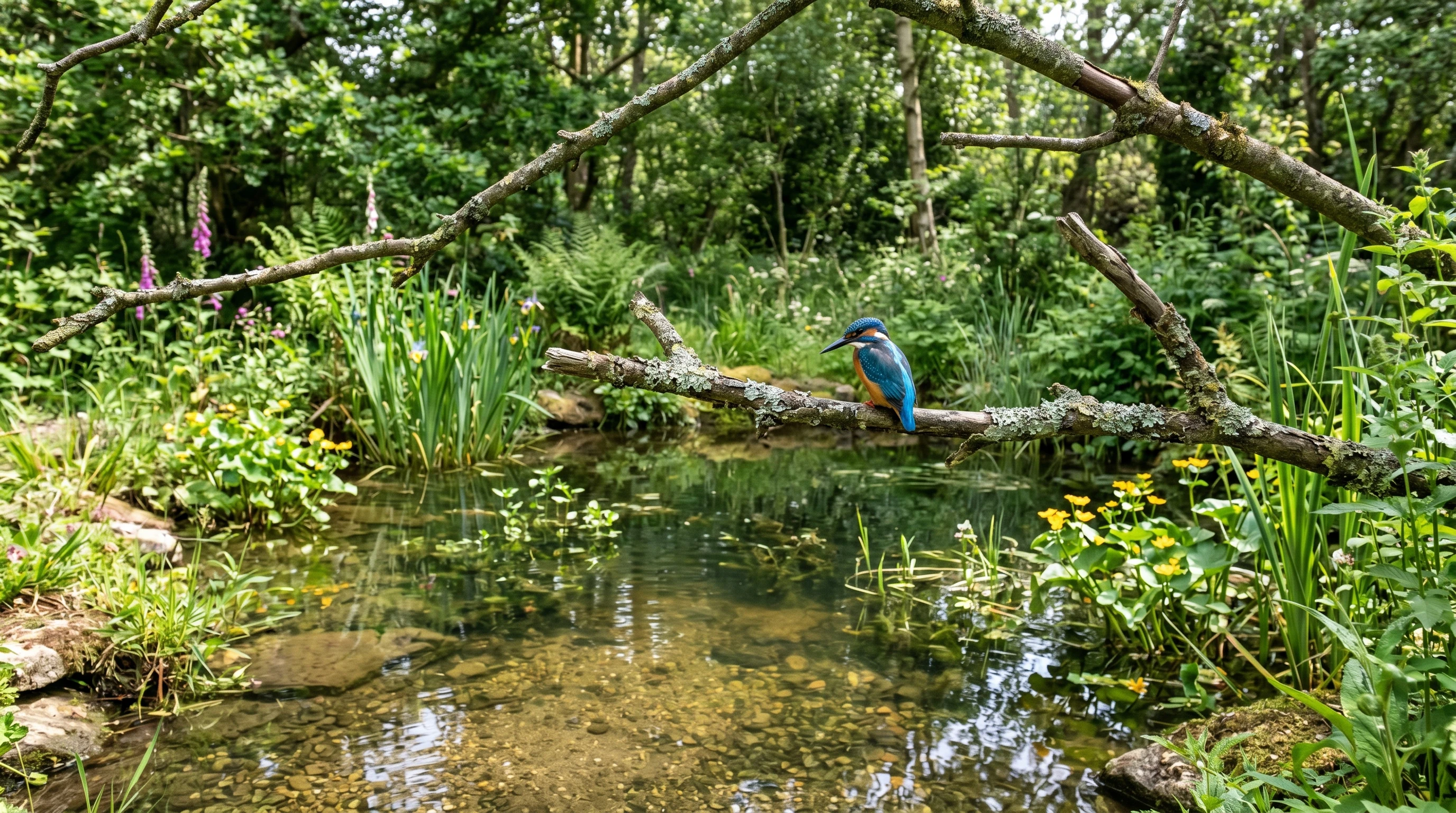
What It Takes to Attract Kingfishers for Backyard Photography
Kingfishers need a clean water source and a steady supply of small fish or aquatic creatures.
No water plus no fish means no kingfishers; there’s just no way around that fact.
They like stable perches for hunting, quiet spaces without much disturbance, and will only stop by if everything feels just right.
The setup can take some effort, but it seriously pays off when you spot that splash of blue and orange darting into your pond.
- Install a Clean Water Source: A pond or streaming water feature is the key attraction for kingfishers.
- Add Fish or Aquatic Life: Stock small fish like sticklebacks or minnows. Avoid goldfish; they are too big or bright.
- Provide Perches: Place natural sticks or branches over the water for easy hunting spots.
- Keep Things Quiet: Loud noises or frequent activity scare kingfishers off quickly.
- Be Patient: It can take weeks or even months to see results, but it is completely worth it once they arrive.
Not every garden is going to succeed. If you are not near existing open water and the surrounding area is not suitable habitat, your odds are lower.
But with the right set-up and a bit of local luck, kingfishers will check things out.
Now, let’s check out the steps that actually make this possible.
How Kingfishers Behave, and What You Should Know
Understanding kingfisher habits makes attracting them much simpler.
These birds use a perch-and-dive hunting style, basically sitting on a branch, scanning the water, then making a quick dive for fish or aquatic insects.
Kingfishers love clear, shallow waters because they rely on sight to spot and target prey.
One interesting thing I have noticed is they favor coming back to the same perch.
If you find the magic spot, it becomes their favorite hunting base until disturbed.
- Perch and Dive: Most of a kingfisher’s hunting happens from a low branch or stick above water.
- Clear Water: Murky ponds make hunting impossible for them; they want to clearly see the fish.
- Repeat Behavior: Once they pick a perch, they often use it again and again.
- Sensitive to Disturbance: Even the sound of a car door or talking can make them leave instantly.
Realistic Expectations: Can You Truly Attract Kingfishers to a Garden?
Not all homes are in kingfisher territory.
Your best shot is if you live near other bodies of water like rivers, streams, or lakes.
These act as highways that kingfishers travel along.
If you are in a dense urban area, attracting them is pretty tough since kingfishers generally avoid noisy or highly developed spaces.
In rural or suburban gardens, especially close to natural kingfisher routes, results are a lot more promising.
Even with an ideal set-up, patience is super important. Sometimes it takes several weeks or even a season for kingfishers to notice a new water feature.
Doing a little research helps garden owners make informed decisions about habitat improvements.
Once one stumbles upon your garden, though, returns are likely if you keep the set-up consistent.
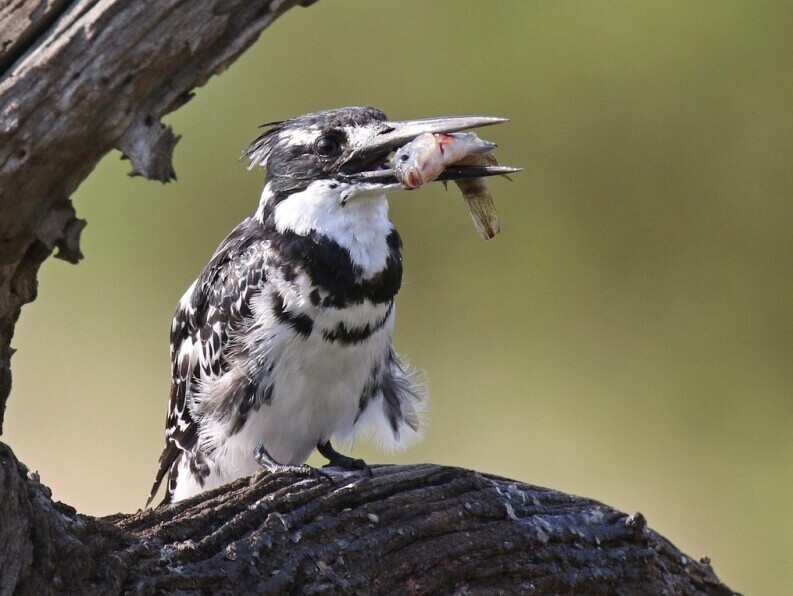
How to Create the Perfect Kingfisher Habitat
Install a Water Feature
A pond or a bubbling stream setup with shallow areas is your best bet.
The water should be clear, with minimal debris.
Avoid overfiltering, but don’t let it get stagnant. Kingfishers do not like murky or smelly places.
Adding a slow-moving stream can give a very natural vibe they are drawn to.
Add Small Fish
Kingfishers are after bite sized fish—think sticklebacks, minnows, or similar native species.
Stocking the pond naturally (or letting insects establish first) helps with balance.
Skip large or fancy fish; they are usually ignored or can upset the pond’s balance.
Set Up Natural Perches
Stick a few sturdy, untreated branches horizontally over the pond, about 1 to 2 meters above the water.
They should be wide enough for a kingfisher to balance comfortably and angled for a good view of the pond.
Space out two or three perches for choice, but do not overdo it—keep it looking natural.
Keep Things Peaceful
Kingfishers shy away from busy places. Keep garden activity minimal, especially around the water feature.
Dogs, cats, loud yardwork, or even wind chimes can throw them off.
Place the pond somewhere you can observe it quietly, ideally with natural screening like hedges nearby for the kingfisher to use as cover.
Extra Tips for a Kingfisher Friendly Garden
- Use Native Plants: These offer natural shelter and attract insects for the pond’s ecosystem.
- Skip Bright Decorations: Anything artificial or out of place makes the space feel unsafe.
- Offer Sun and Shade: Kingfishers like perches with a little cover but want a sunny spot to dry off after fishing.
- Keep Water Fresh: Top up and clean the pond as needed to prevent algae blooms.
Best Camera Setup for Backyard Kingfisher Photography
Camera Settings for Sharp Action Shots
Kingfishers move fast, especially when jumping in.
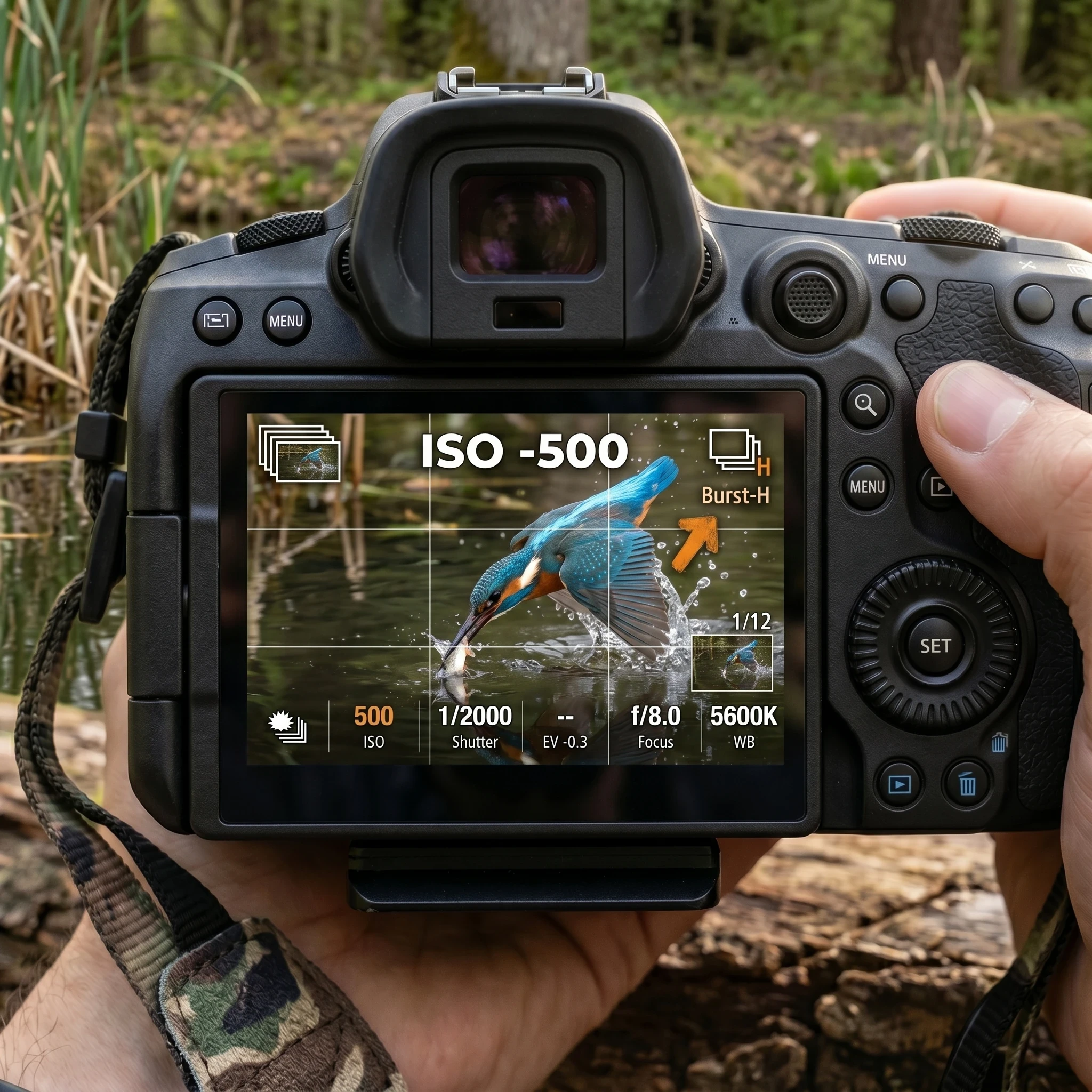
For sharp results, go with a shutter speed of 1/2000 to 1/4000 seconds.
An aperture around f/4 to f/6.3 keeps the bird sharp and gives a nice background blur.
ISO depends on your light: keep it low for bright days, raise it carefully for shade but try not to lose detail in the feathers.
Focus and Burst Mode
Set your camera to continuous autofocus (AF-C) and aim your focus point right on the perch you expect the bird to land on.
Burst mode is really useful for this, letting you snap a whole sequence during a jump so none of the action is missed.
Best Lenses and Gear for Backyard Bird Photography
Recommended Lenses
- 300 to 400mm Lenses: Great for most yards, letting you photograph without scaring the bird.
- 500mm or Longer Lenses: Handy if you have more space or want really frame filling shots.
Stable Supports
- Tripod with Gimbal Head: Keeps your camera stable and ready for action without arm fatigue.
- Ground Pod: Useful for lowangle shots near water level for more dramatic photos.
Helpful Accessories
- Bird Hide or Camouflage Tent: Lets you get closer without being seen (check out affiliate partners for quality hides).
- Remote Shutter Release: Fire shots without moving around and disturbing the kingfisher.
- Extra Batteries and Memory Cards: Nothing is worse than missing action because you ran out of juice or space.
How to Position Yourself for The Best Kingfisher Shots
Stay Hidden and Pre-Focus
A pop-up hide or even shooting through a slightly open window helps with getting natural behavior.
Pre-focus on the main perch; they almost always jump from a favorite stick.
Respect their space and avoid moving around too much while they are nearby.
Keep Your Distance
Kingfishers are extremely wary.
The less you move or make noise, the longer they will stick around, and the better chance you will have for great sequences.
I usually set up my camera and leave it on a remote for minimal disturbance.
Lighting Tips for Backyard Kingfisher Photography
Golden Hour, Side, and Overcast Lighting
- Early Morning or Late Afternoon: Warm sunlight makes those feathers eye-catching.
- Side Lighting: Shows off the sheen and texture of plumage beautifully.
- Cloudy Light: Super useful for even exposures with less risk of harsh shadows or blown highlights.
How to Capture Kingfisher Action Shots
Kingfishers are known for incredible hunting jumps.
Keep an eye out for prejump cues; they will stare intently at the water and bob their head for a few seconds before launching.
Use burst mode and track from the perch, through the jump, to the splash and return.
The key moments are entry, the splash, and the perch return (often with a fish).
Kingfisher Garden Project: Mistakes to Avoid
- No water source means no kingfisher visitors.
- Poor perch placement can mean missed shots or an uninterested kingfisher.
- Too much disturbance from pets, people, or loud noises scares them off for good.
- Slow shutter speeds will just give you blurry birds or action you cannot use.
- Poorly lit set-ups make colors dull and actions hard to see.
Ethical Tips for Attracting Kingfishers to Your Garden
- Never force birds to visit (or trap them). Baiting with dead fish is not safe for the birds or ethical for photography.
- Always respect their personal space and nesting times. If you see stressed behavior, back off.
- Keep pets away from the pond area to avoid risk to birds and aquatic life.
- Check your pond and surroundings for hazards (like netting or sharp edges) that can trap or harm wildlife.
Quick Setup Checklist for Backyard Kingfisher Photography
- Pond or water feature with small fish
- Natural perch (branch over water)
- Quiet area, undisturbed by people or pets
- Camera pre-focused on perch, fast shutter set
- Hide or indoor shooting spot for you
Frequently Asked Questions
Can kingfishers live in gardens?
Kingfishers typically need access to open water and abundant food, but a well-prepared garden close to natural habitats can attract them for visits (sometimes daily if conditions are ideal).
What attracts kingfishers the most?
Clean, clear water with a supply of small fish or aquatic insects, plus secure hunting perches and a quiet setting, are their top requirements.
How long does it take to attract kingfishers?
It can take anything from a few weeks to several months, depending on your location and how inviting the habitat setup is. Patience really pays off here.
What camera settings are best for kingfishers?
Use a fast shutter speed (1/2000 to 1/4000s), an aperture around f/4 to f/6.3, and continuous autofocus. Burst mode helps capture action sequences.
Encouragement to Try Kingfisher Photography at Home
Creating a space that is kingfisher friendly takes patience and careful setup, but it pays off with some of the most rewarding garden photography you will ever do.
Each garden is different, so tweak the approach to match your local environment.
Once you see that flash of blue visit your pond, all the effort feels completely worth it.
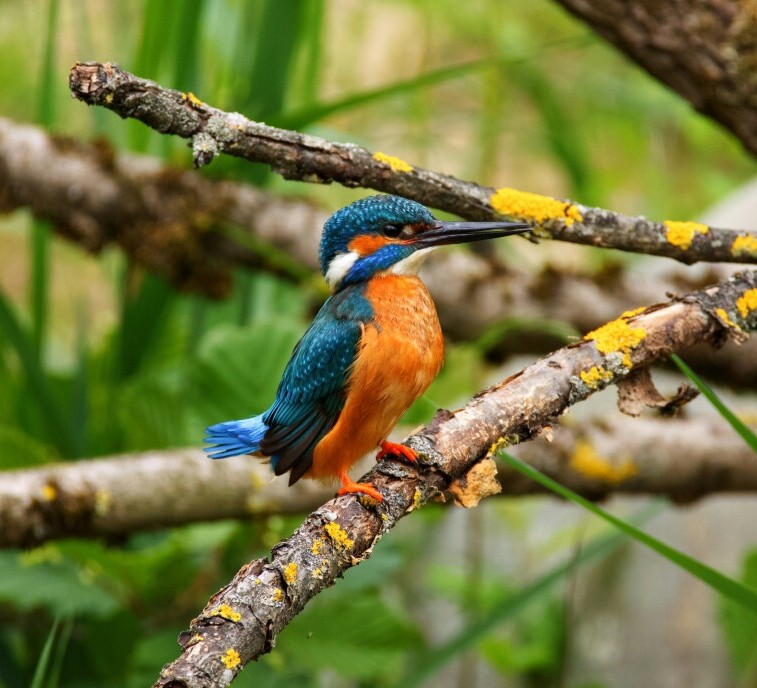
If you are interested in more backyard photo challenges, check out some of my other posts:
-Kingfisher Photography Guide,
-Best Lighting Techniques for Bird Photography, and
– Photographing Birds in Action.
Leave a question or comment in the box below and I will be happy to get back to you!!!
Happy bird photographing!!!!!!
This was a really thoughtful guide. One thing I found especially helpful was your emphasis on water clarity and natural perches — those details make such a difference with kingfishers. Something others might appreciate too is keeping a consistent routine around the pond; they tend to return when the environment feels predictable. Your step‑by‑step approach makes the whole process feel doable.
Hi Kiersti,
“Consistent routine around the pond” — you just shared the real secret. Thank you.
Clear water + perches gets a visit. Predictable gets a resident. Kingfishers are pattern learners. Same time, same path, same perch, same sound = their brain logs it as safe territory.
Pro move: Pick one approach path and never vary it. New footprints = predator.
Also run a small fountain on a timer 7-9am. They learn “gurgle = breakfast” in 4 days.“Details make the difference” — exactly. You’re not building a pond. You are running animal husbandry.
That is why yours will work.
Glad the guide felt doable. That was the goal.What stage is your pond at?
Tell me and I will share the one routine tweak for first visit vs daily visits.
Best regards,
Raymond