It is absolutely possible to capture eye-catching bird photos with a drone while prioritizing the welfare of your subjects, but only when bird safety comes first.
Ethical drone bird photography means giving birds plenty of space, avoiding any actions that disturb their natural behaviors, and always putting their well-being above your quest for the perfect photo.
Here is what I have picked up about doing this right: keep your drone well away from birds, never go near nests, steer clear of breeding times, and always watch closely for signs that birds are uncomfortable or under stress.
Even if you are after a portfolio highlight, if you notice a bird acting differently because you are there, you have gone too close—time to back off.
Why It’s So Important To Photograph Birds Responsibly With a Drone
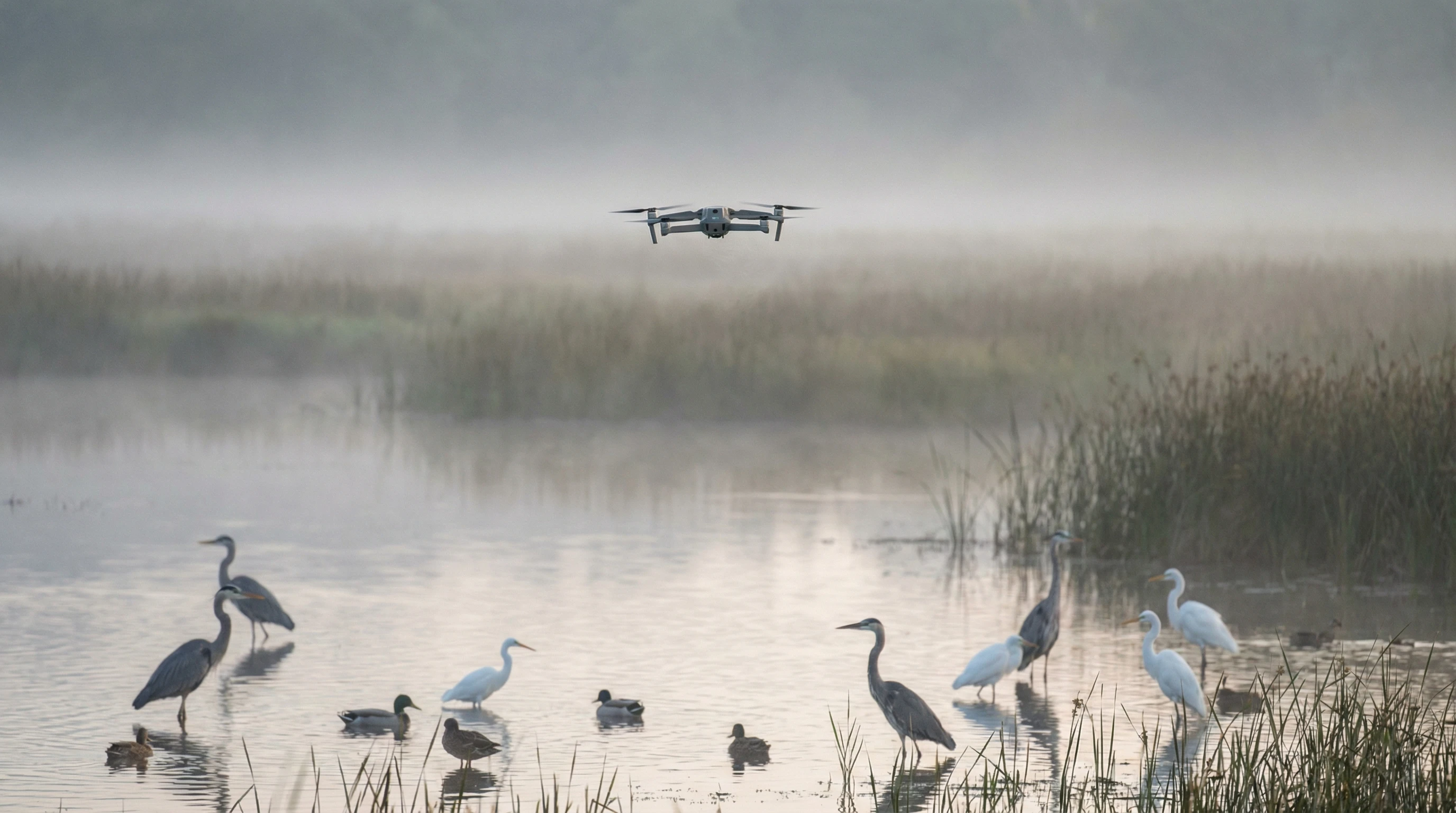
Drones can stress out birds, especially if someone flies carelessly.
Different bird species react to unknown noises or odd shapes up high, often seeing a drone as a threat.
Birds might take off, burning valuable energy that they need for feeding or tending their nests.
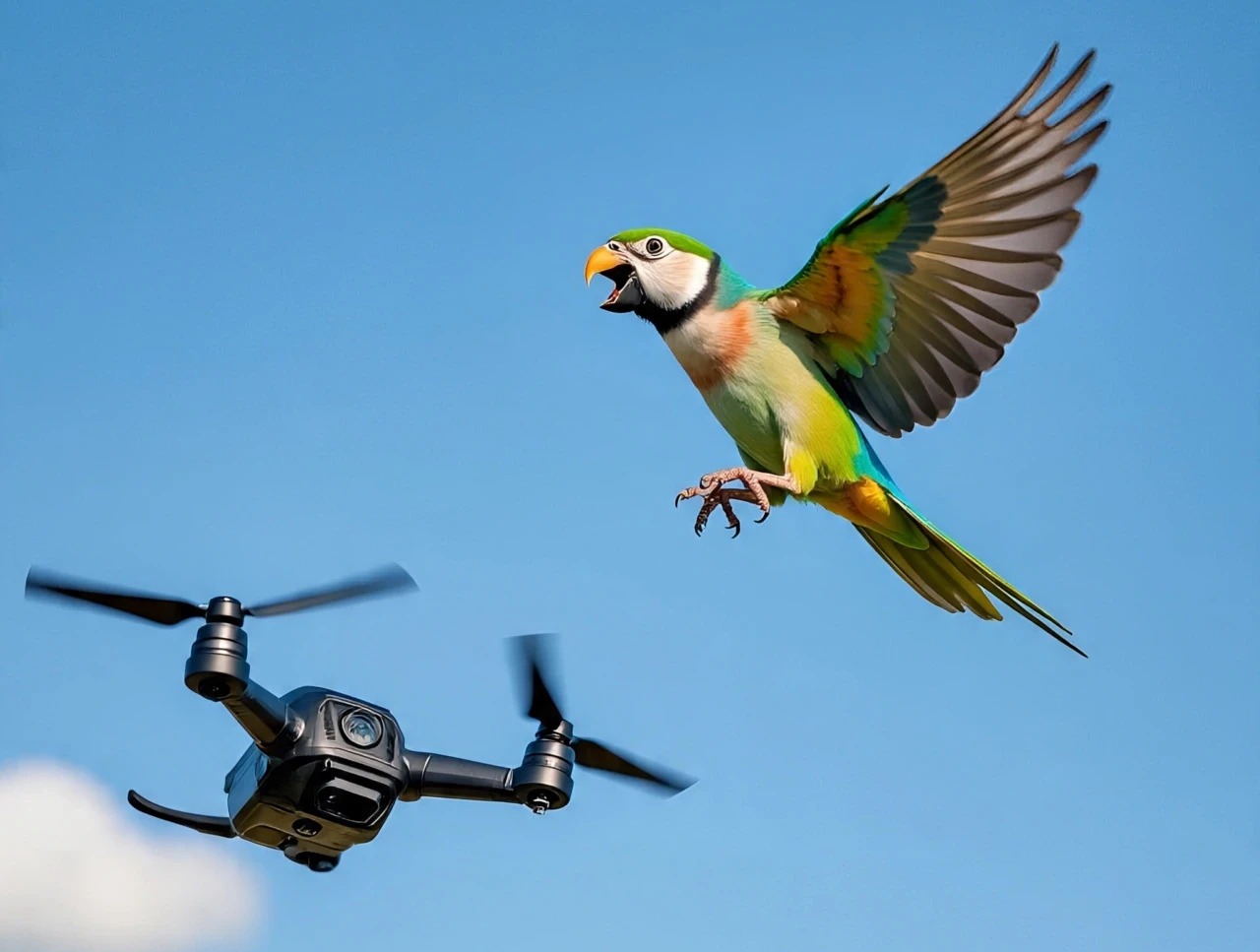
If disturbed enough, some may even leave nests unattended, exposing eggs or chicks to danger. I have seen raptors in particular become defensive around drones; sometimes these birds might even attack the device.
Apart from the risks to both birds and your equipment, breaking wildlife rules can result in tough penalties or fines, especially if you are spotted in protected areas.
There is also a bigger responsibility at play—photographers help conservation efforts, so our choices and images should always reflect respect for wildlife.
Check The Law Before You Fly
Drone Aviation Rules
Drone laws vary by location. Usually, you are required to register drones over a specific weight, often 250g.
Height restrictions are common (typically below 120 meters or 400 feet), and flying in restricted airspaces—like around airports or sensitive habitats—is off limits.
Many places have permanent or seasonal no-fly zones, especially where wildlife is protected.
Wildlife Protection Rules
Plenty of countries and regions also have strict rules about disturbing wildlife, particularly when it comes to protected or rare bird species.
Spots like national parks or wildlife sanctuaries almost always ban drones outright, or demand specific clearances and distances.
Even without posted signs, you are held to these standards, and rangers enforce them regularly.
Doing your research ahead of time can help you stay out of trouble and keeps birds out of harm’s way.
Useful Drone Safety Apps
Several apps make flying responsibly a lot simpler.
Airspace maps (such as B4UFLY or AirMap) quickly show you which areas are off-limits, while some local tools highlight wildlife protections.
Weather apps are helpful, too.
These tools help you stay within legal boundaries and reduce the risk of bothering birds or running into legal issues.
Safe Distance Guidelines for Flying Drones Near Birds
Basic Distance Rules
- Small Songbirds: Stay a minimum of 30–50 meters away.
- Waterbirds & Flocks: Remain at least 60–100 meters back.
- Raptors & Larger Species: Keep to 100 meters or more.
- Nesting Areas: Never approach; it’s just too dangerous for the birds.
As a best practice, always start your flights from farther away than you think you need to.
Only consider inching closer if birds seem totally unbothered—but even then, err on the side of caution.
The “Behavior Rule”
Distancing is helpful, but what really counts is the birds’ response.
If you spot any changes in normal activity—like abrupt movements, alarm calls, or birds looking your way—you’re probably closer than you should be.
When I see these signs, I waste no time in expanding the gap.
How To Tell When Birds Are Stressed By Your Drone
Mild Stress Looks Like:
- Birds standing extra alert, scanning around
- Quick, repeated head turns
- Making alarm calls
Signs of Serious Stress:
- Birds flush and suddenly take off
- Birds fly at your drone, often to defend territory (especially raptors)
- Birds stop feeding or drop what they were doing
- Birds completely vacate the area
If you notice even minor signs of discomfort, back your drone away immediately.
No photo is worth risking wildlife—if in doubt, take it as a gentle reminder to keep more distance.
Techniques for Ethical Drone Flying Near Birds
Start High, Descend Slowly
Launching your drone at a higher altitude, then slowly drifting down, allows birds to see it at a distance and get used to it.
Sudden appearances close by can cause alarm—by easing in from above, you help birds acclimate without getting spooked.
Approach From the Side
Moving sideways or even from behind the birds, instead of heading directly toward them, feels much less threatening.
Wide arcs and gentle side movements always produce more relaxed responses, and better, more natural photos.
Fly Smooth and Predictable
Sudden or jerky movements—like flipping directions or quick altitude changes—can make even the calmest birds anxious.
Keeping my drone set to slow or “cinematic” mode forces me to fly smoothly. Predictability helps wildlife relax.
Keep Sessions Brief
Do not keep your drone in the air near birds any longer than you have to.
Snap your shots, then give them their space.
Shorter sessions minimize disturbance and lower your odds of an accidental encounter.
Especially Sensitive Situations To Avoid
Nesting & Breeding Times
Birds are always most vulnerable when nesting or raising chicks; even minor disturbances can cause severe consequences.
Avoid drones around nests, chicks, or parent birds during these periods. The only ethical choice is to keep your distance at all times.
Migration Stopover Points
When birds are stopping on long air journeys to rest and refuel, every ounce of energy counts.
Interrupting their routines can threaten whole populations.
During busy migratory seasons, either give birds an especially wide berth or avoid those locations entirely for drone flights.
Territorial Raptors
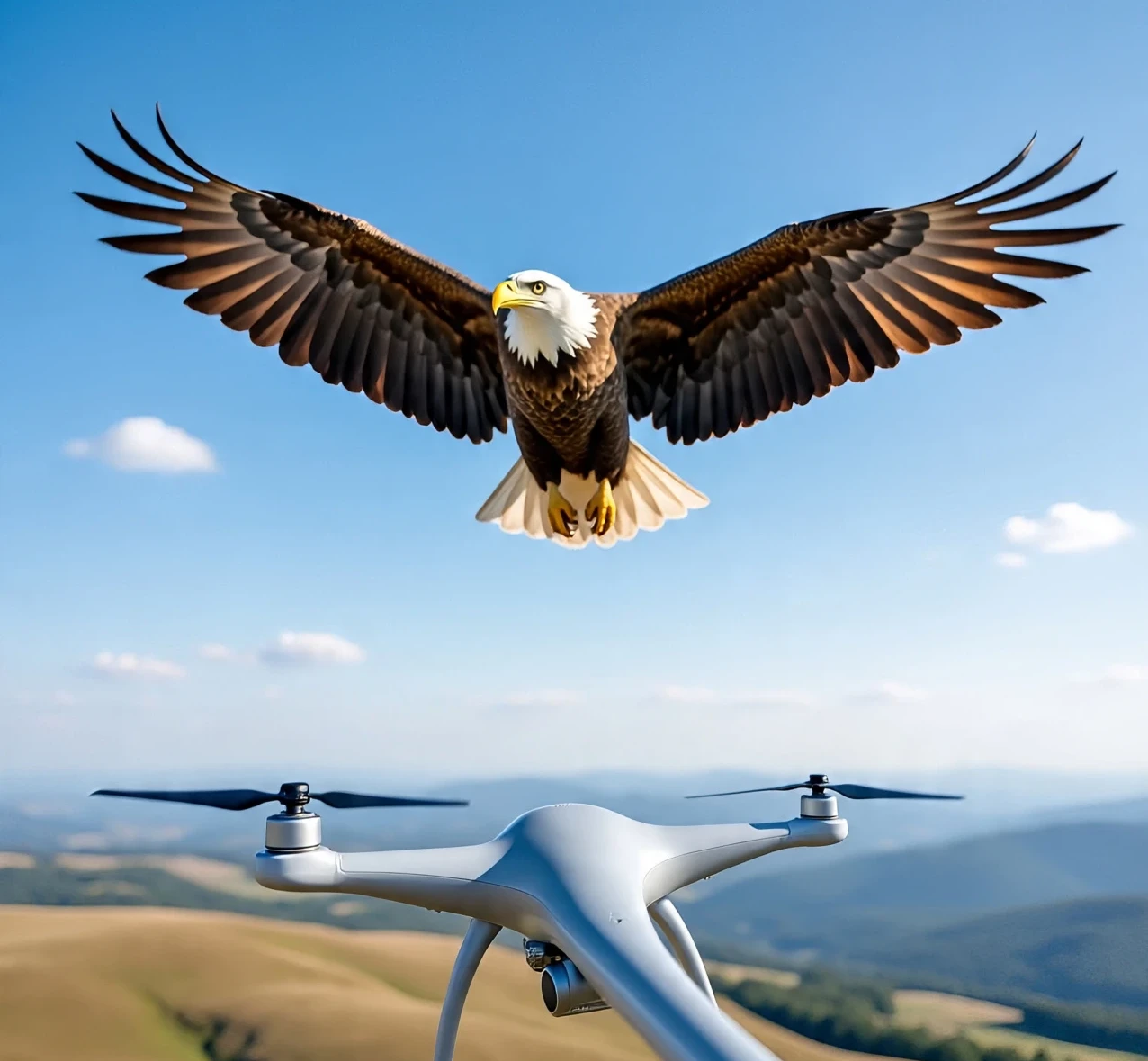
Raptors are notorious for defending their space.
They often view drones as real intruders, leading to aggressive confrontations that risk the bird’s safety and your drone.
Give them much more range and respect their airspace above all other species.
Picking the Right Gear for Responsible Bird Drone Photography
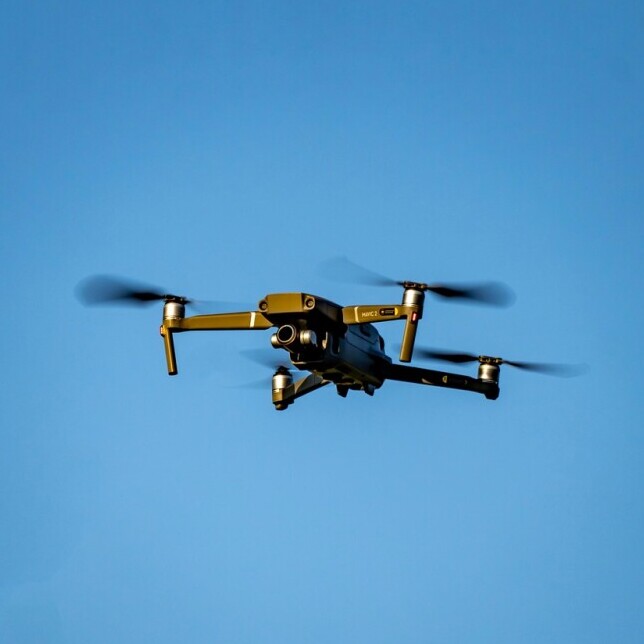
- Choose Quieter Drones: Smaller, lighter drones often generate less noise and are less alarming to birds.
- Add Propeller Guards: These reduce the injury risk if a bird gets too close, plus protect your drone during any unexpected interaction.
- Longer Zoom Cameras: Cameras with longer focal lengths or useful digital zoom allow you to photograph birds from a safe distance with sharp detail.
- Neutral Density (ND) Filters: ND filters help you control shutter speed, making it easier to get beautiful exposures from a higher altitude—no need to descend too low, even in harsh sunlight.
Picking thoughtful equipment is a central part of ethical droning.
Whenever you are reviewing gear, opt for features that keep you shooting from farther away, minimize fuss, and help you blend in against the sky.
Alternatives to Getting Too Close With Your Drone
- Use Zoom, Not Proximity: When your drone camera offers zoom, put it to work. Capture solid photos while giving birds their space and keeping stress off their wings.
- Cherish the Habitat: A wide aerial photo that frames birds in their natural setting often tells a more compelling story than a tightly framed portrait. Pull back and let context guide your composition.
- Go for Silhouettes and Creative Framings: Sometimes, including more of the landscape or distant flocks creates pleasing, next-level cool shots.
- Environmental Advocacy: Photos showing birds among their surroundings can inspire protection efforts far better than staged closeups. Think about how your story supports conservation.
Ethical Field Practices for Bird Drone Photography
- Never bait or tempt birds with food, calls, or other tricks to draw them nearer your drone.
- Do not stage, reposition, or try to force birds into “better” locations for your picture.
- Leave nature untouched—sticks, rocks, and plants should look just as you found them after you’re done.
- Favored photographs show natural, spontaneous wildlife behavior, not posed moments.
Common Mistakes To Steer Clear of in Drone Bird Photography
- Chasing or herding birds to get dramatic action shots.
- Hovering over a group, nest, or perch for more than a few seconds.
- Dismissing visible signs of bird discomfort.
- Flying extra low for “epic” perspectives that alarm the birds.
- Chasing likes and shares at the expense of bird safety.
Your Bird Photography Ethics Checklist
- I double-checked all local airspace and wildlife protection laws before flying.
- I steered my drone well clear of nests, roosts, and key breeding sites.
- I held to the minimum recommended distances for each bird type on site.
- I watched steadily for even subtle changes in bird behavior, and immediately altered my flight plan if needed.
- I kept my session brief and organized to minimize my presence.
- I made certain the site looked exactly as it did before I arrived.
How Responsible Drone Flying Can Support Bird Conservation
When approached with care, drone photography can actually become a tool for supporting birds rather than burdening them.
Scientists sometimes put drones to work to count nesting colonies, monitor populations, or document habitat changes with much less impact than traditional methods.
Ethical photographers can spread the word about threatened habitats and add visibility to bird conservation causes through thoughtful images.
The key is always to follow the professionals’ lead, stick to sensible guidelines, and keep welfare top priority.
In the long run, photos that balance beauty with responsibility inspire greater awareness and respect for birds everywhere.
Related Posts Worth Checking Out
How To Fly a Drone Safely Around Birds
Best Beginner Drones for Bird Photography
Frequently Asked Questions
Is drone bird photography legal?
It all comes down to your location.
Lots of countries now require drone registration and have extensive no-fly zones, especially around parks or wildlife refuges.
Always get the most recent info from local aviation and wildlife authorities before making plans.
Can drones scare birds?
No doubt about it.
Birds are usually very sensitive to new sights and sounds from overhead objects.
Some may appear calm, but may just be hiding stress. Stay attentive to their reactions and move away if they seem upset.
What’s a safe distance to fly a drone near birds?
For small songbirds, aim for 30–50 meters; for waterbirds or flocks, 60–100 meters; and for raptors, definitely 100 meters or more.
If you see birds acting tense, give them even more space.
Are drones harmful to nesting birds?
Yes, they can be.
Drones sometimes cause parents to run off, leaving nests unattended. If disturbance goes on too long, young may be abandoned.
It is best to avoid nests, especially in nesting season.
How do I know if I’m too close?
If birds shift their activity, look toward your drone, move away, stop feeding, or call out alarms, you’re too close.
Increase your distance right away and consider finishing your flight early for their sake.
Ready to Fly Smarter and Safer?
If you’re serious about ethical drone bird photography, the right tools and preparation make all the difference.
In upcoming guides, I’ll be sharing:
- The quietest drones suitable for wildlife photography
- Zoom camera systems that allow safe-distance shooting
- ND filters that help maintain proper exposure from higher altitudes
- Essential safety apps for checking airspace and wildlife zones
- Field accessories that reduce risk and improve stability
Choosing the right equipment is not just about image quality — it’s about reducing disturbance and flying responsibly.
Check out my recommended ethical drone photography gear here (you’ll find options suitable for beginners and advanced pilots alike).
These are tools selected specifically with bird safety and responsible flying in mind.
If you want to build a portfolio that stands for both artistry and conservation, start by equipping yourself properly and committing to ethical standards every single flight.
Beautiful images matter.
But protecting the birds matters more.
Fly respectfully.
Photograph responsibly.
Inspire conservation.