
Choosing the right lens for black and white bird photography mostly boils down to reach, speed, and optical quality.
In simple terms, a telephoto lens in the 400mm to 600mm range lets you fill the frame with even distant birds.
You’ll want a fast maximum aperture (like f/4 or f/5.6) so you can isolate your subject and let in more light, which both matter for sharp and punchy monochrome shots.
Sharpness is super important since feather textures and tiny details make or break black and white bird pictures.
Lenses with strong contrast help separate your subject from the background and give you deeper monochrome tones.
Black and white images depend on detail, contrast, and subject separation, not just color, so your lens really takes center stage here.
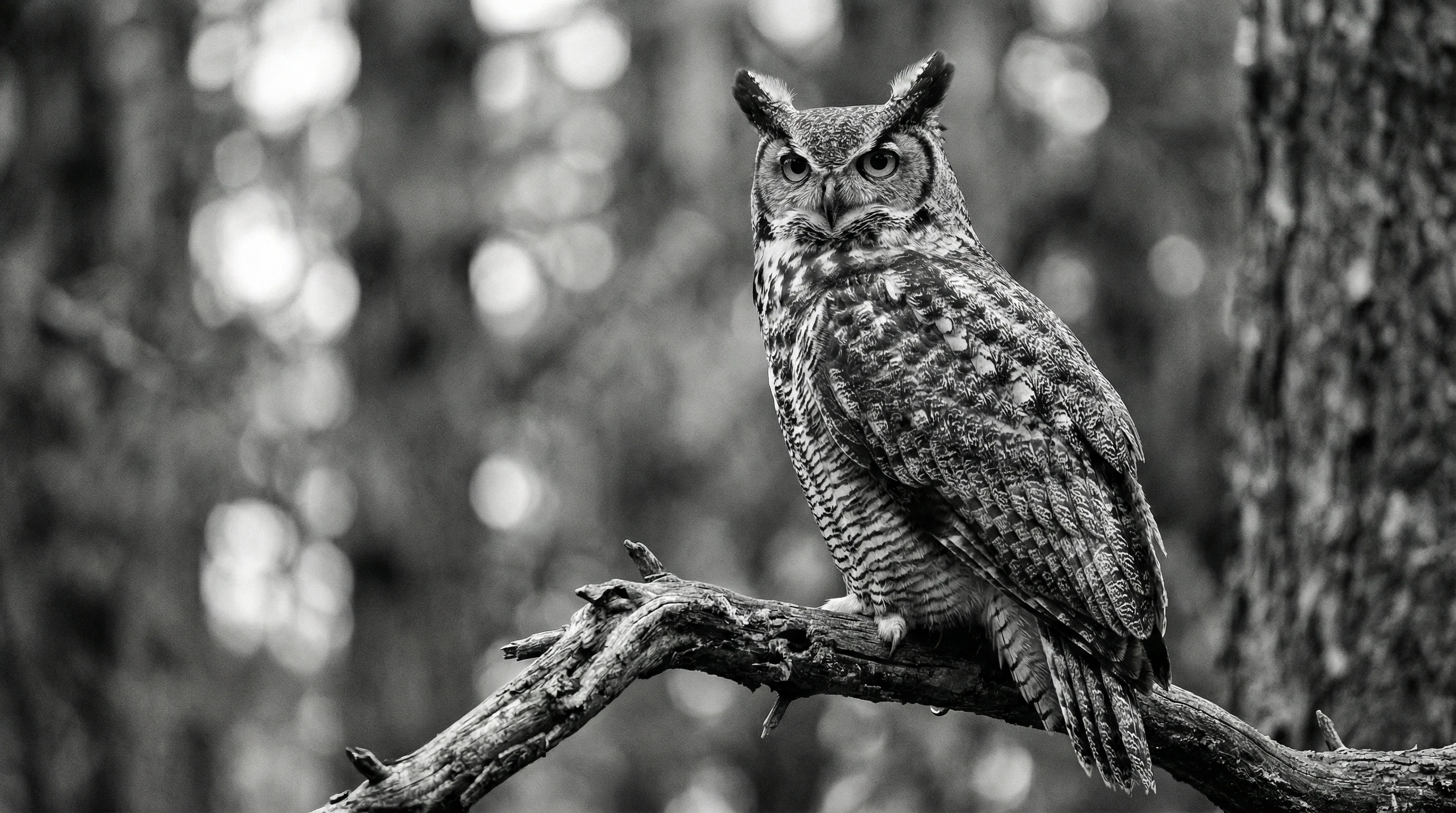
How Lens Choice Impacts Black and White Bird Photography
Monochrome bird photography leaves little room to hide behind vibrant color.
Every texture and highlight stands out, making the sharpness and clarity of your lens vital.
Tiny feather details and edges are what draw attention—if your lens is up to capturing them.
Contrast also becomes more obvious in black and white compared to color, especially in difficult midtones and shadow areas.
A lens that’s soft or lacks punchy contrast can leave your images dull, so investing in a crisp lens pays off.
Separation between the background and the subject is even more dramatic in black and white, and a lens that produces smooth blur lets your bird pop.
The right lens makes this strong effect come through beautifully.
Best Focal Lengths for Black and White Bird Photography
300mm to 400mm Range
Lenses in the 300mm to 400mm range are the sweet spot for shooting bigger birds (like herons, egrets, or hawks), especially in locations with predictable perches or feeders.
Gear in this range is lighter and generally more affordable, making long strolls or hikes much easier.
If you tend to shoot in parks, wildlife reserves, or backyards where birds are reasonably tame, this length is often plenty.
500mm to 600mm Range
When it is small birds or shy species, reaching for a 500mm or 600mm lens gives you an advantage.
You can fill the frame without cropping too much, which keeps detail and sharpness at their peak.
It also lets feather lines and textures really stand out—critical in black and white photography since every bit of detail shows up more vividly.
Supertelephoto (800mm and Beyond)
If you’re focused on rare, distant birds, those perched in high trees, or birds on open water, an 800mm lens or longer offers unmatched reach.
Just be aware of the bulk and weight, since these lenses usually require a solid tripod and can limit how much you move about.
Prime vs Zoom Lenses for Monochrome Bird Photography
Prime Lenses
Prime lenses (fixed focal length) are known for their sharpness and ability to open up wide.
They give you crisp, detailed bird photos and smooth, creamy backgrounds.
Most leading primes can get down to f/4 or even wider, making them perfect for shooting at sunrise, sunset, or in the shade.
You benefit from extra subject isolation, making your bird stand out crisply on monochrome backgrounds.
However, primes come at a higher price and are less flexible when your subject’s distance changes quickly.
Zoom Lenses
Modern zoom lenses have improved drastically and can come close to primes in sharpness, especially in their midrange.
Something like a 100 to 400mm or a 200 to 600mm lets you adapt fast when birds land closer or farther away.
This flexibility is great for unpredictable subjects and fast action.
Zooms are often more portable and budget-friendly, fitting well for beginners or those who want strong black and white shots without going all in on a single expensive lens.
Aperture: Why Fast Glass Helps in Black and White Bird Photography
Wider Apertures (f/4 to f/5.6)
Birds are most active at dawn and dusk, meaning you’ll regularly face low light.
Having a lens that opens to f/4 or f/5.6 lets you shoot at lower ISOs, keeping details crisper.
A wider aperture blurs busy backgrounds, which means your subject stands out even more, especially in the simplicity of black and white.
The result is strong separation and beautiful tonal gradations that spotlight the bird.
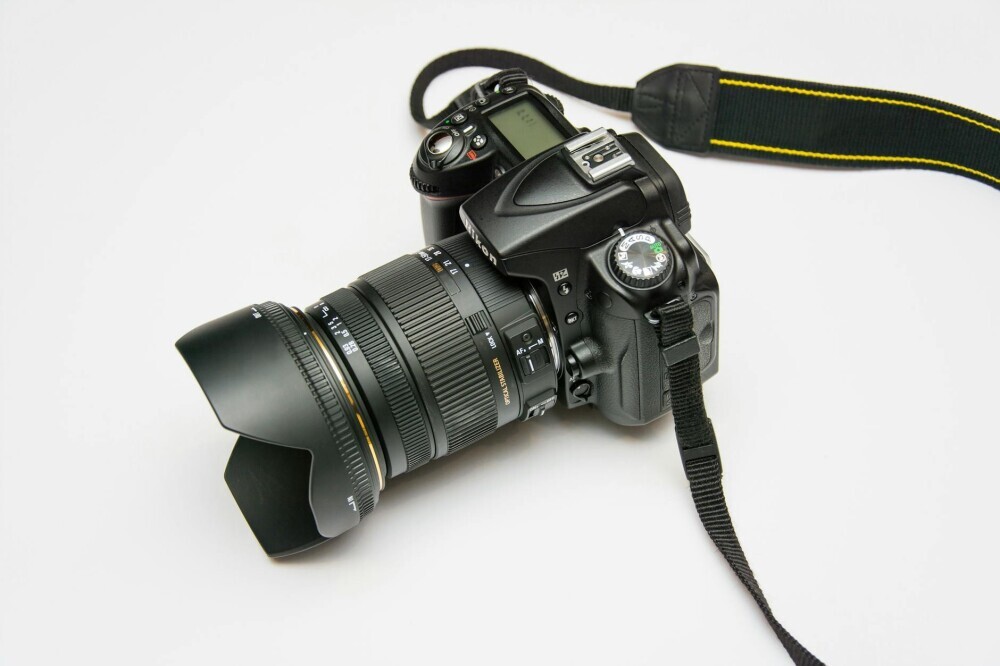
Depth of Field Considerations
For powerful black and white portraits, sharpness in your bird’s eye is a must.
A fast lens lets you pinpoint select focus, keeping the eye and face detailed while the background drifts off into smooth, soft tones—a technique that adds drama in monochrome work.
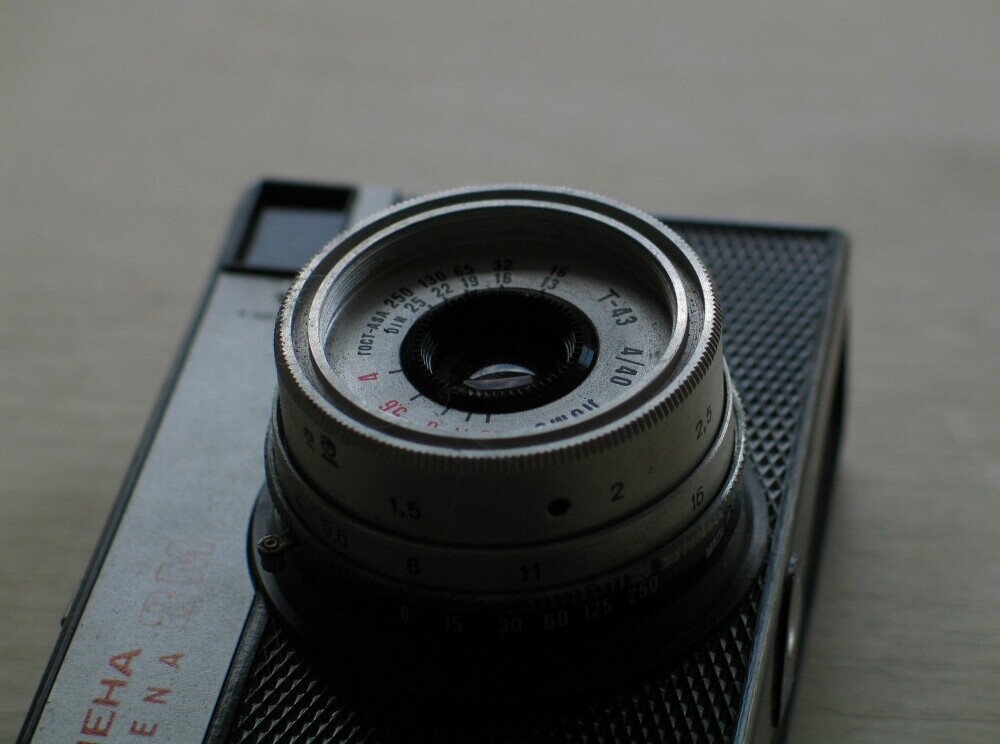
Lens Sharpness and Microcontrast
Sharp lenses reveal every fine line and feather on your bird subjects, often bringing a “wow” factor to your monochrome photos.
Microcontrast is about the lens capturing tiny variations between shadows, grays, and highlights at the edges of textures—making even subtle details stand out.
With good microcontrast, things like water droplets or soft down really come into their own.
Edge-to-edge sharpness ensures quality even with off-center compositions.
Good coatings reduce flare and make contrast even better, ensuring punchy black and white results in all sorts of light conditions.
Crop Sensor vs Full Frame for Black and White Bird Photos
Crop sensor cameras, like APS-C and Micro Four Thirds, make your lens appear longer thanks to sensor size.
That 400mm lens acts like a 600mm, perfect for capturing distant birds and adding flexibility on a budget.
Weight and price also drop, which is good for long sessions or hikes.
On the other hand, full frame cameras get you the best image quality, especially at high ISOs, and a little more shallow depth of field.
You also get more leeway for cropping later if a bird’s a bit far off.
They’re heavier and costlier, so balance quality with budget and what you’ll realistically use most.
Weight and Handling: What Matters in the Field
Long telephoto lenses pack on weight quickly, and feeling tired can mean your photos are not as crisp.
If you want to shoot handheld or cover a lot of ground, a lighter lens lets you move, react, and hold steady for longer.
Heavy primes or telezooms often call for a tripod or monopod, which means less flexibility and more stuff to port around.
Decide what you will actually carry for hours, how often you will move, and your shooting style.’
Sometimes a lighter and slightly shorter lens you always bring wins out over a longer lens you leave behind.
Budget-Friendly Lens Recommendations
You don’t need to spend thousands to take up black and white bird photography—there are good options at all price points.
- Entry-Level Options: Try lenses such as the Canon 100–400mm, Nikon 200–500mm, Sigma or Tamron 150–600mm, or Sony 100–400mm. Their zoom flexibility and adequate sharpness make them solid for monochrome shots and friendly for most budgets.
- MidRange Options: The classic 400mm f/5.6 prime is a lightweight, sharp alternative. Newer 200–600mm zooms (like the Sony) also offer fantastic reach and solid image quality for bird photographers looking to step up from entry-level.
- Pro Options: If weight and cost don’t hold you back, go for 500mm f/4, 600mm f/4, or 800mm primes. They shine for razor-sharp detail and those soft, dreamy backgrounds pros love.
Consider renting a few options to see what gets you results without locking into a huge spend immediately.
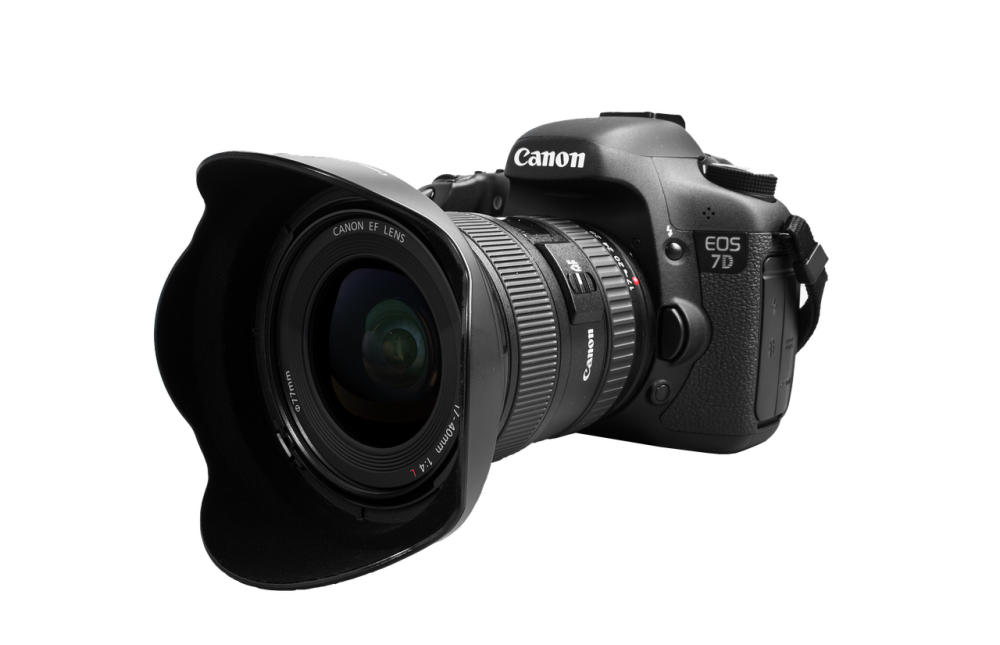
Lens Settings to Maximize Black and White Impact
- Shoot wide open (biggest aperture) for maximum blur and background separation.
- Stop down to f/6.3 or f/8 if you want sharper group shots or birds in flight.
- Fast shutter speeds (1/2000s+) keep action shots crisp and packed with detail.
- If handholding, always turn on image stabilization—it can make or break your shot.
Common Lens Mistakes in Black and White Bird Photography
- Choosing a lens with too little reach means tiny birds and missed shots.
- Over-relying on cropping when your lens isn’t long enough, sacrificing detail and sharpness.
- Sticking with slow zooms (like 70 to 300mm f/5.6–6.3) that struggle in low light and can’t blur backgrounds much.
- Not checking sharpness wide open—test your lens at f/4 or f/5.6 for important images.
- Putting zoom convenience ahead of image quality if you’re after stunning, detailed shots.
Creative Lens Techniques for Monochrome Birds
- Use lens compression to bring backgrounds and subjects closer together for a fuller look.
- Shoot with backlight for rim-lit shapes and outlines that glow beautifully in black and white.
- Try shooting bird silhouettes at sunset, getting bold shapes against soft, blurred skies.
- Go close up—details in feathers and eyes pop even more when you frame tight and focus on textures.
Quick Lens Selection Checklist
- At least 400mm reach is best
- Look for f/4 to f/5.6 aperture
- Sharpness and punchy contrast should be priorities
- Choose a lens you’ll actually carry and use often
- Make sure the lens fits your camera mount
Frequently Asked Questions
What focal length is best for black and white bird photography?
For most bird work, 400mm to 600mm covers most situations—just right for fine detail and not much need to crop in heavily.
If you’re dealing with distant or very shy birds, go for 600mm or even more when you can.
Is a prime lens better than a zoom for monochrome birds?
Prime lenses take the crown for absolute sharpness and wide apertures, letting you pop textures and isolate subjects with ease.
Modern zooms are nearly as sharp and give more flexibility, which is helpful when birds move around unpredictably.
Do I need an expensive lens for black and white bird photography?
Nope!
Pro-level lenses are great, but there are plenty of affordable zooms and older primes that do great work—ideal for those just starting or looking to improve without breaking the bank.
Can I use a 300mm lens for bird photography?
Absolutely.
It works well on larger birds or where you can get closer, like parks or backyards. For smaller or shy birds, more reach—or cropping with care—may help get those close-up, detailed shots.
The Takeaway on Picking Your Black and White Bird Lens
The lens you pick for black and white bird photography determines more than just how close you can get—it brings out textures, shapes, and details so your subject stands out even without color.
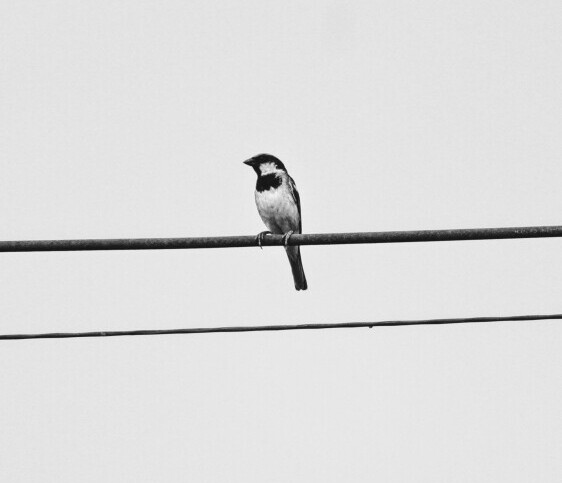
What works best comes down to your shooting style, bird subjects, and what you’ll carry on your adventures.
There are good lenses out there for every skill level and budget, so choose what is right for your real-life bird photography, not just based on specs or status.
If you want to dig even deeper, check out these related guides:
- Techniques for Black and White Bird Photography
- Beginner Black and White Bird Photography Guide
- Capturing Bird Feathers in Detail
Got any interesting from this article ?
Drop them in the comments below. And don’t forget to subscribe for regular tips.
If you need some starter equipment, check out my gear recommendations too.
Happy photographing !!!!!!