Bird photography has captivated nature lovers and photographers alike, but adding drones to the mix?
That can take things to sky-high levels.
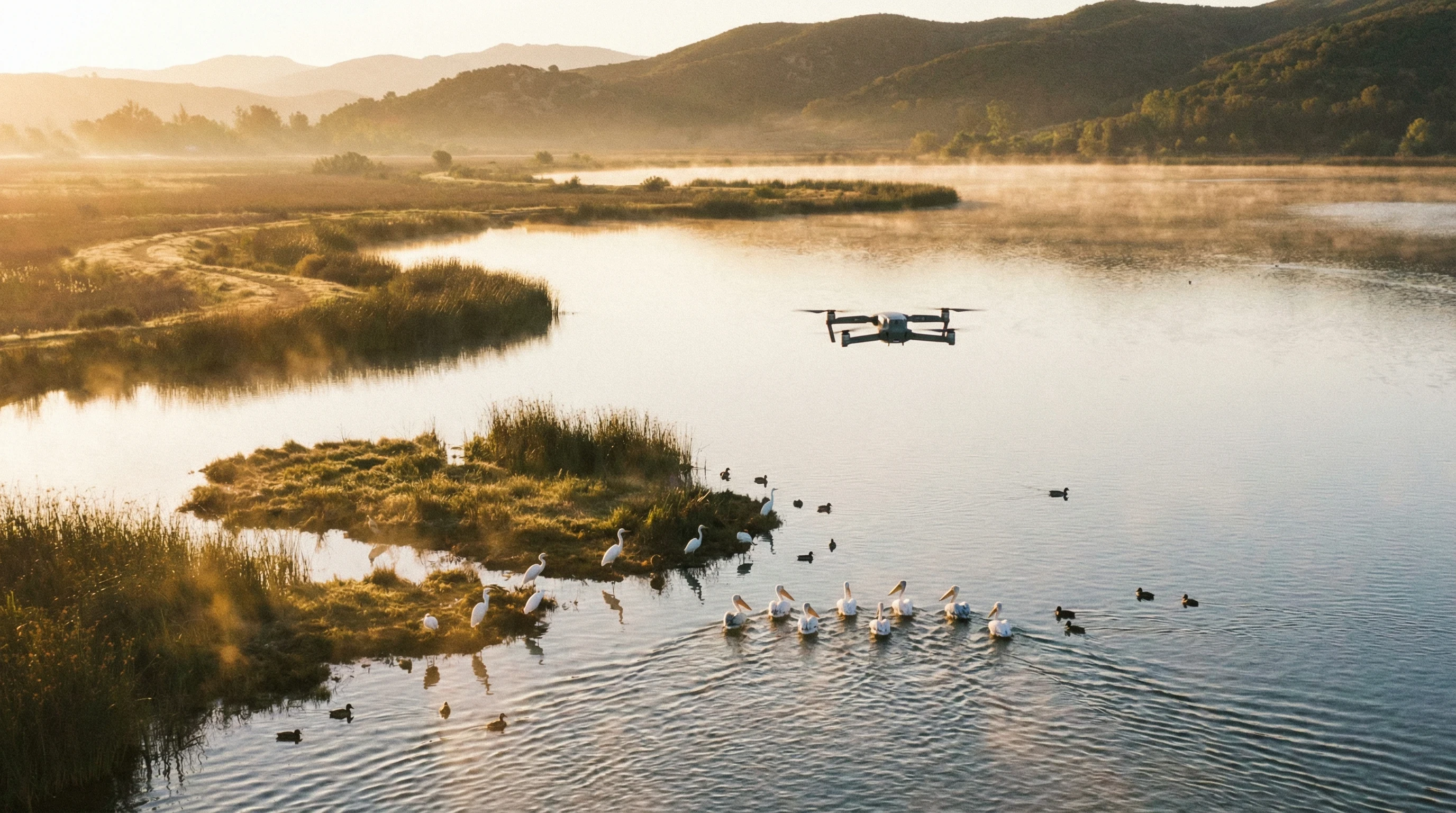
Drones open up unique possibilities, allowing you to capture stunning angles and swoops, almost like flying alongside the birds themselves.
As a beginner, getting the hang of this tech while enjoying your avian subjects is totally achievable.
Navigating through the options can feel a bit like flying through fog, but not to worry.
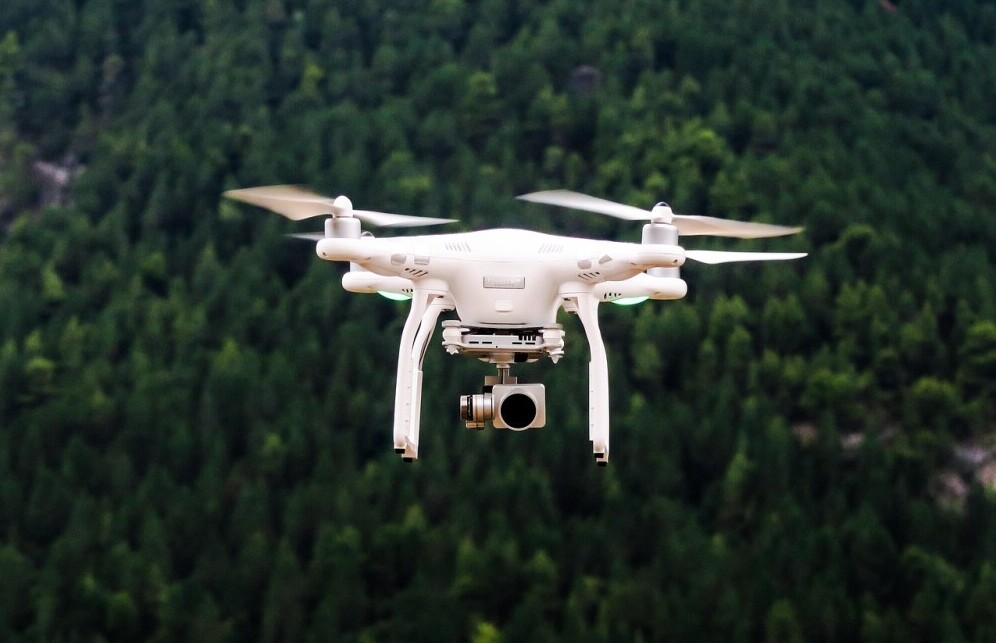
Drones designed for photography have become super user-friendly.
They often feature high-quality cameras in compact packages that won’t break the bank, making it easier for you to get started without major stress.
Familiarizing yourself with these features can help you choose a drone that matches your aspirations and keen curiosity about birdlife.
Drones aren’t just about snapping cool pics.
They bring you fresh perspectives on bird behavior and habitats, zooming you into places you couldn’t reach before.
Imagine floating among treetops, framing birds mid-flight, or capturing the majesty of migration from above.
These are just a few glimpses of what’s possible when you integrate drones into your bird photography hobby.
Choosing the Right Drone: What Beginners Need to Know
Getting the right drone for bird photography isn’t just a matter of picking the shiniest gadget on the shelf.
It’s about finding the one that fits your needs like a glove, and I’m here to help make that decision a breeze.
You’ve got to consider a few key features that’ll make your bird photography experience as smooth as possible.
For starters, camera quality is king.
A drone with a good camera is crucial for capturing the detailed plumage and graceful flight of your feathered subjects.
Look for high-resolution cameras and gimbal stabilization, which help keep your shots steady, even if your hands aren’t.
Then there’s battery life. Nothing’s worse than hovering over a field, only to run out of juice at the perfect moment!
Opt for drones that offer a decent amount of flight time on a single charge so you can stay focused on the birds, not the battery.
Now, budget-friendly options might be high on your list, especially if you’re dipping your toes into drones for the first time.
There are plenty of affordable models out there that pack a punch without hurtin’ your wallet.
Models from popular makers offer a good balance of quality and price—perfect for beginners.
With all these choices, don’t forget to check out any safety regulations or guidelines specific to your area.
Rules vary widely, and staying informed keeps your bird photography seamless and law-abiding.
Locals might have insights into popular spots, too, which is a neat way to tag along with the seasoned crowd as you start your own birdwatching adventures with your drone.
Preparing for Your First Flight: Essential Equipment and Setup
Before you take your drone up for bird-watching action, it’s crucial to have the right gear in place.
An organized setup can mean the difference between a smooth sail and a crash landing in your photography adventure.
Let’s start with the bare essentials.
Extra batteries should be at the top of your list because, as thrilling as it is, bird photography can eat up power quickly.
Having backups ensures you stay in the air long enough to catch some magical moments.
A high-quality SD card is another must-have. You don’t want to run out of space mid-flight, especially when you’ve lined up that perfect shot.
Cards with ample storage and fast write speeds will save your data and keep your focus on the skies.
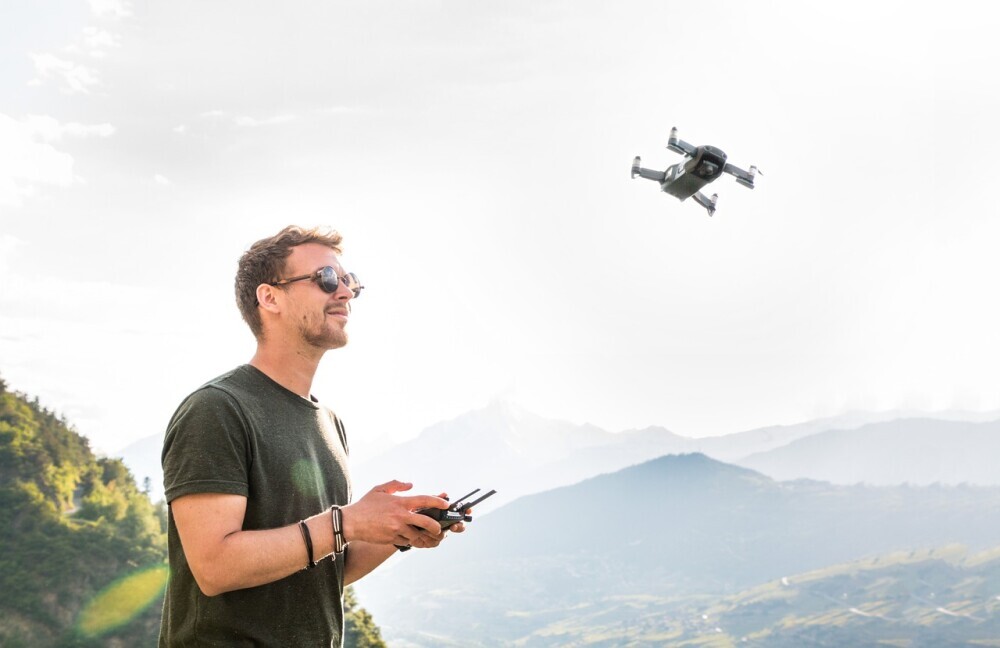
When setting up, knowing your drone’s controls is half the battle. Take the time to familiarize yourself with the joystick and buttons while it’s still on the ground.
Most drones come with a simulation mode where you can practice maneuvers without risk—it’s an incredible confidence builder.
Understanding camera settings can elevate your captures from snapshots to artwork.
Tweaking exposure, contrast, and ISO settings will help your photos pop, highlighting the intricate beauty of birds.
Many drones offer mobile apps for real-time adjustments, so saying goodbye to trial-and-error is pretty sweet.
Lastly, consider the conditions of your flight zone.
Trees, power lines, and sudden gusts of wind can all play a part in your drone’s flight path, so lookout for these potential obstacles.
Finding a wide-open space gives you room to maneuver and the freedom to experiment with angles and techniques as you bring your bird photography visions to life.
Mastering the Art of Aerial Photography
When you’ve got your drone and gear all set, it’s time to unlock the secrets of great aerial photography.
Capturing birds in flight demands a bit of finesse and an eye for detail, but it’s not rocket science if you keep some basics in mind.
First off, composition is key.
Framing your shot well can turn ordinary snaps into breathtaking images.
Try the rule of thirds—imagining your frame split into a grid of nine equal parts and positioning your subjects along these lines or intersections can bring balance and interest to your shots.
Lighting can dramatically affect your photos.
Early mornings and late afternoons, known as the golden hours, provide soft, diffused light that enhances colors and adds depth to your images.
Overcast days aren’t bad either as they avoid harsh shadows.
Catching birds in flight requires a fast shutter speed to freeze their motion crisply.
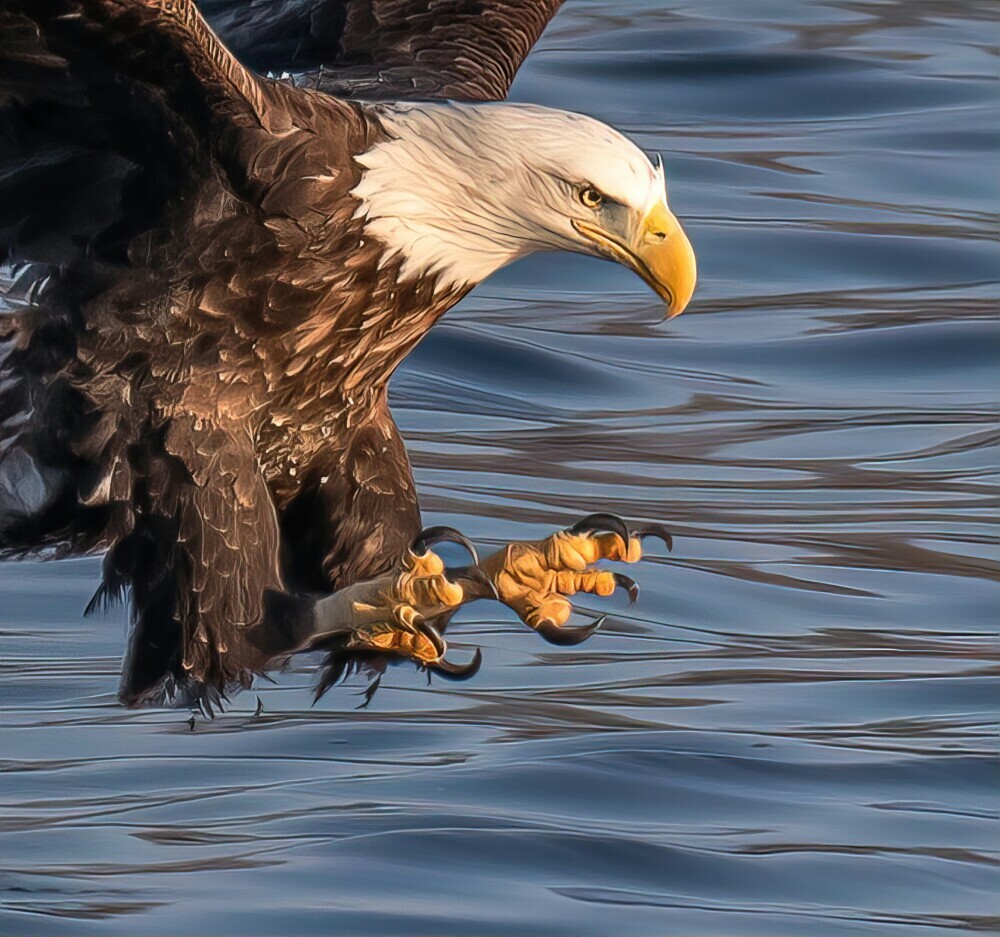
If your drone camera allows, start experimenting with different speeds until you find what complements your style best.
Practicing on slower-moving targets before graduating to speedy birds can hone your skills.
Your choice of location can make or break your session.
Seek out areas with native bird populations, and remember that patience pays off.
Birds rarely perform on command, so observing their habits and waiting for the perfect moment is a major part of the game.
Incorporating movement adds dynamism to your shots.
Circling around a perched bird or gently rising as it takes off can introduce stunning perspectives.
Just be sure to avoid sudden turns that can jolt the image focus.
With these strategies in your playbook, you’re not just snapping pictures—you’re creating visual stories of the avian world.
Each shot is a chance to capture the awe and grace of our feathered friends, all from your view in the sky.
Navigating Drone Laws and Regulations
Bust out your paper and pen, because knowing drone laws and regulations is essential for flying in restricted airspace.
Each area has its own guidelines, and staying informed can help you avoid fines and keep your bird photography adventures on the up and up.
Registering your drone might be required.
In many places, all drones over a certain weight must be registered with local authorities, ensuring you’re legally covered. It’s usually a quick online process, so get that done before you launch.
Privacy is a big deal, too.
While capturing birds is the main gig, be mindful of not intruding on private spaces or snapping photos of people without consent.
Respect for others’ privacy runs hand in hand with being a responsible drone operator.
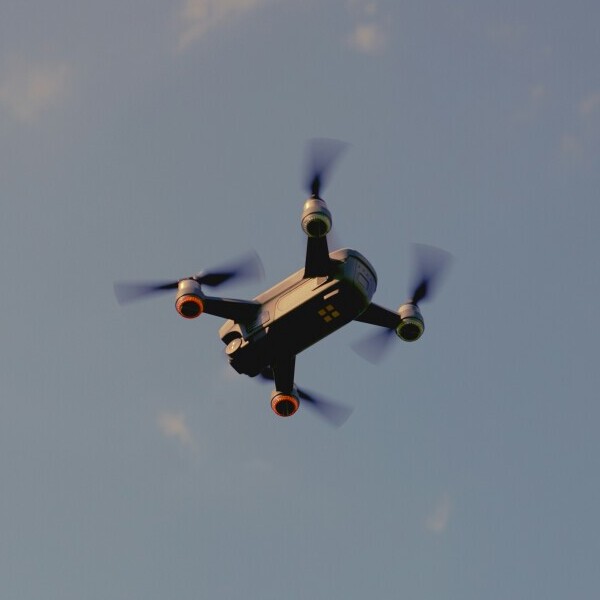
Wildlife protection laws are another consideration.
Many animals, including certain birds, are protected and disturbing their peace can have legal repercussions.
Flying too close or hovering around nesting areas could unintentionally cause harm, so it’s crucial to maintain a respectful distance.
Keeping updated with changing legislations is part of the package.
Drone laws can shift like clouds on a windy day—checking in with local UAV (unmanned aerial vehicle) clubs or online forums can keep your information current.
By navigating these regulations responsibly, you not only protect yourself legally but also promote goodwill among other hobbyists and bird lovers.
It shows that while you capture beauty from above, you’re equally grounded in good practice.
Troubleshooting Common Challenges in Drone Bird Photography
Let’s face it, not every flight goes off without a hitch, but that’s part of the learning journey in drone bird photography.
Technical glitches and environmental factors can throw a wrench in the works, but with a little know-how, you can tackle these challenges head on.
Dealing with technical hiccups is a common experience.
Connection losses, shaky footage, or battery issues can creep up. Before you fly, check firmware updates and perform a quick trial run to ensure everything’s in order.
This proactive approach saves a ton of headaches when you’re out in the field.
Weather is another tricky adversary. Wind, rain, and even extreme heat can impact your drone’s performance.
Checking forecasts before a flight and understanding local weather patterns makes a big difference.
On windy days, consider postponing the session to protect both your equipment and the safety of the birds.
Bird behavior doesn’t always align with our plans.
While drones offer a closer look at avian life, getting too close can stress the wildlife.
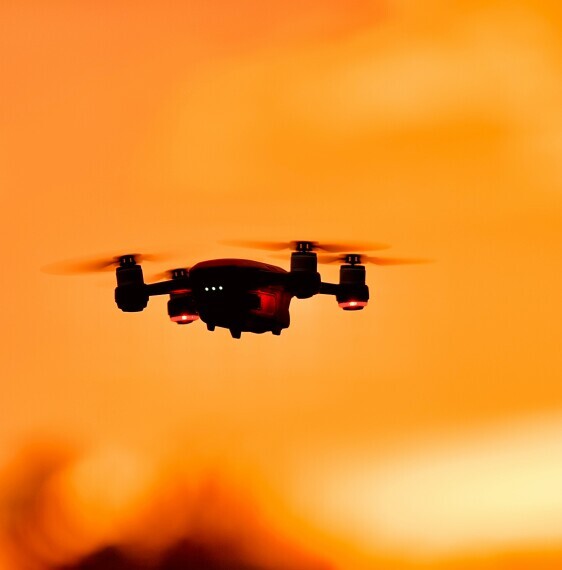 Birds may react to drones as potential threats, so maintaining a safe distance is crucial.
Observing and learning about the habits of your avian subjects helps you anticipate their movements and capture natural behavior without causing distress.
Having a problem-solving mindset means you learn something valuable from every setback.
Each flight is a chance to refine your approach, understand your equipment, and deepen your connection with the incredible world of birds.
Post-Processing Your Aerial Shots for Stunning Results
Once you’ve conquered the skies with your drone, it’s time to bring those digital masterpieces to life with a bit of post-processing magic.
Enhancing your photos not only boosts their visual appeal but also highlights the unique beauty of bird photography.
Choosing the right editing software can feel like a maze, with options ranging from Lightroom to Photoshop and more.
Start exploring free trials if you’re new to editing, as they offer ample features without committing financially.
Most programs allow you to enhance exposure, adjust contrast, and tweak the hues to make your shots pop.
When editing, a gentle touch often yields the best results. It’s easy to go overboard with saturation and sharpness, turning natural beauty into something unnatural.
Aim for subtle adjustments that enhance the subject’s natural features without losing authenticity.
Organization is another key part of post-processing.
Keeping your shots ordered and tagged ensures you can find specific images down the road—a lifesaver when you’re building a portfolio.
Simple file naming strategies or utilizing catalog features within software can streamline this process.
Once your images are polished, sharing them with others can be both rewarding and encouraging.
Online platforms like photography forums, social media, or even birdwatching communities are great places to showcase your work.
Feedback from fellow enthusiasts can offer valuable insights and connect you with a community that shares your passion.
FAQs: Quick Answers to Common Queries
Let’s wrap up with some FAQs that can save you a bit of head-scratching and bring some clarity to this aerial adventure.
Here’s where I tackle common concerns and questions you might have as you dive into drone bird photography.
Many newcomers ask,
Question :-Are drones safe to use around birds?’
Answer :-Keeping a respectful distance is the key. Most birds are naturally cautious, and maintaining a safe distance helps reduce stress and disturbance, ensuring a safer experience for both the birds and your drone.
Question:- ‘What drone should I buy for bird photography?’
Answer :- While there’s no one-size-fits-all answer, starting with a budget-friendly, camera-equipped model is a good move. This lets you get a feel for aerial photography without diving in too deep financially.
Question :-Can I photograph birds in national parks?’
Answer :- Regulations vary, so it’s crucial to check with park authorities before flying. Many areas have strict rules to protect wildlife and serene environments from disturbances.
Question:-How close is too close to birds?’
Answer:-This question’s vital for ethical birdwatching. Most guidelines suggest staying at least 100 feet away to avoid disrupting natural behavior, but individual species may require more space. Observing how birds react to your drone can also guide your actions, ensuring minimized impact on them.
These FAQs can provide a handy reference as you navigate the ins and outs of drone bird photography, helping you focus more on the joy of capturing stunning shots and less on logistical puzzles.