
Picking the right spot for your bird photography adventure is like setting the stage for a grand performance.
The location you choose can make or break your entire experience.
So, what’s the strategy?
Start by defining your target. Are you after a specific bird species or looking to capture a range of vibrant avians?
This decision will guide you to your ideal destination.
If you’re seeking a diverse array of birds, national parks or reserves boasting different habitats are golden.
Think areas where swamps, forests, and beaches coexist — that’s where the magic happens.
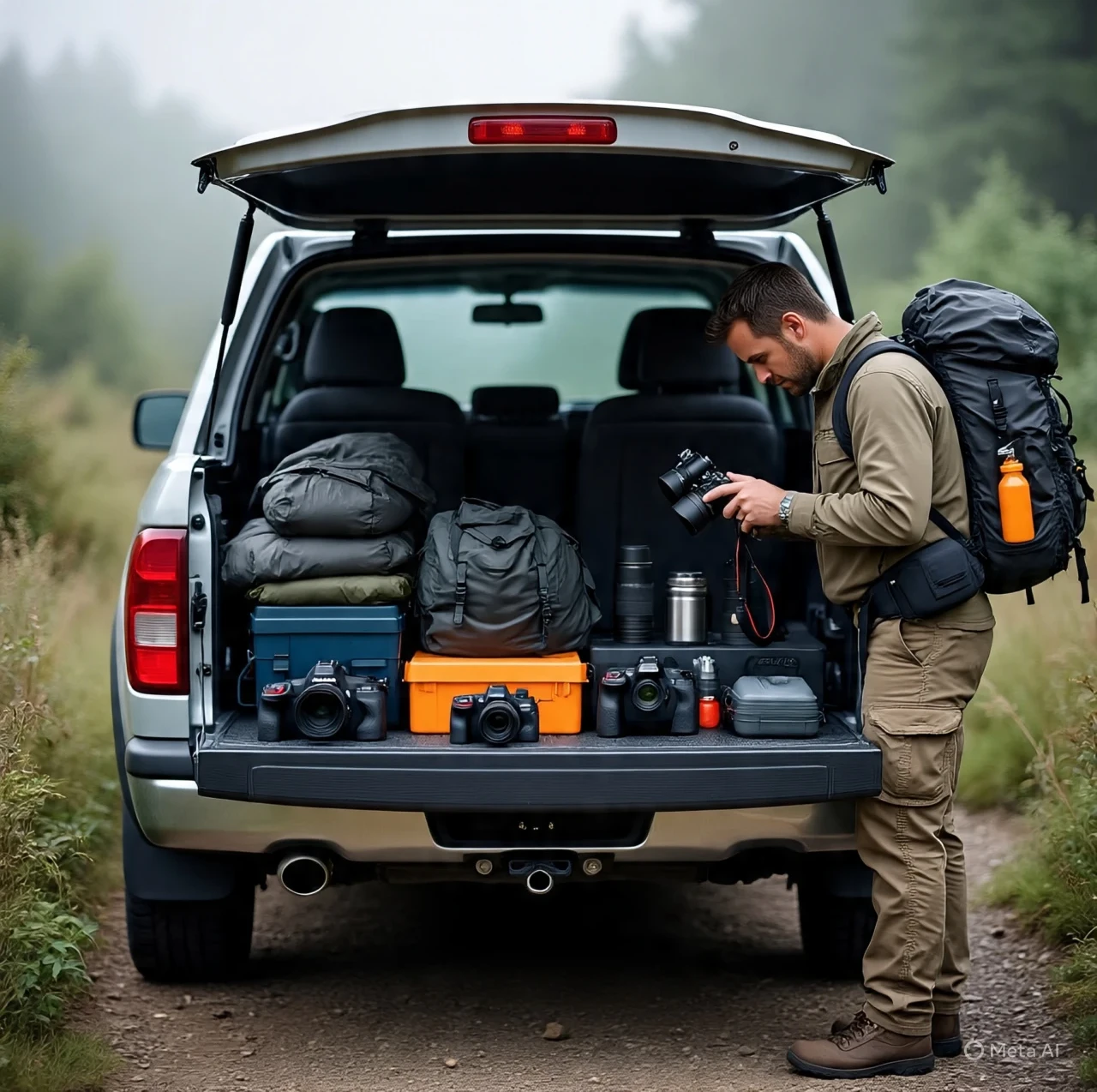
In these spots, especially during peak times like May, you can witness up to 30 species of warblers and vireos flitting about, not to mention countless other fascinating feathered friends.
Now, how do you refine your pick?
Dive into eBird checklists. This tool is your treasure map to uncovering which birds call a place home.
Couple this with a scroll through Flickr — see what photos others have snagged in the area. It’s like a sneak peek into your potential shot lineup.
And here’s a tip that birding veterans swear by: listen to the voices of the local birding community.
Blogs and forums run by local bird enthusiasts or groups offer firsthand insights and tips that you simply can’t get anywhere else.
A quick search online pulls up these nuggets of wisdom, setting you up for an outing that’s both rewarding and thrilling.
Timing is Everything: When to Go
Nailing the timing for your bird photography outing is like catching the perfect wave — it requires being at the right place at the right time.
Bird movements are often tied to the seasons, and getting your schedule synced with theirs is the recipe for success.
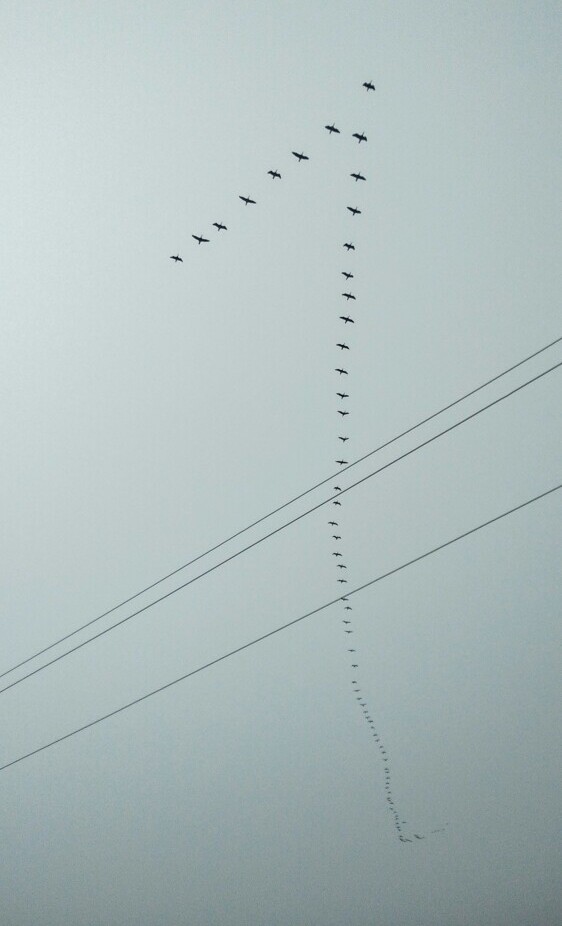
Birds are on the move during migration periods, making places known as migration hotspots literal goldmines of activity.
These seasons, typically in spring and fall, offer chances to witness incredible bird mass migrations, but miss the timing, and you might find a ghost town instead of the bustling aviary you imagined.
Even within seasons, timing can shift.
Migratory birds don’t always run on our schedules, so hanging around for a couple of days increases your odds of getting those epic shots.
And don’t forget — birds don their best outfits in breeding season, making those flashy plumages truly spectacular additions to your portfolio.
Ultimately, understanding these nuances sets you up for a rewarding experience.
Plan around these timelines, and you’ll not only capture splendid images, but also get to witness a breathtaking natural phenomenon.
Logistics Planning for a Hassle-Free Outing
Getting logistics sorted before hitting the road can transform your bird photography outing into a smooth and satisfying experience.
Start by booking your stay as close to the shooting site as possible. Less time driving means more time snapping those picture-perfect moments.
Check the access hours of your chosen location.
Many birdwatching spots have specific opening and closing times, and some might even offer special photo permits.
These permits can be golden, granting early access for dawn shots or allowing you to linger for those dramatic sunset captures.
Why does timing matter so much?
Birds are most lively in the morning, with the early light adding a special glow to your photos.
Getting on-site as dawn breaks can grant you those fresh and vibrant shots you’re dreaming of.
Being prepared with these logistical details not only saves you time and hassle on the day of your outing but also maximizes your chance of capturing stellar images without the frustration of unforeseen hiccups.
Essential Gear: What to Pack for Success
Packing smart can be your ace in the hole for a successful bird photography outing.
Before you pack your bags, create a checklist of gear tailored to the habitats you’re visiting.
In swampy areas, for example, having a waterproof bag and boots becomes non-negotiable.
Your camera and lens are just the beginning.
Consider the distance you’ll be from your subjects. Sometimes, a lens with less magnification is all you need if the birds are within arm’s reach.
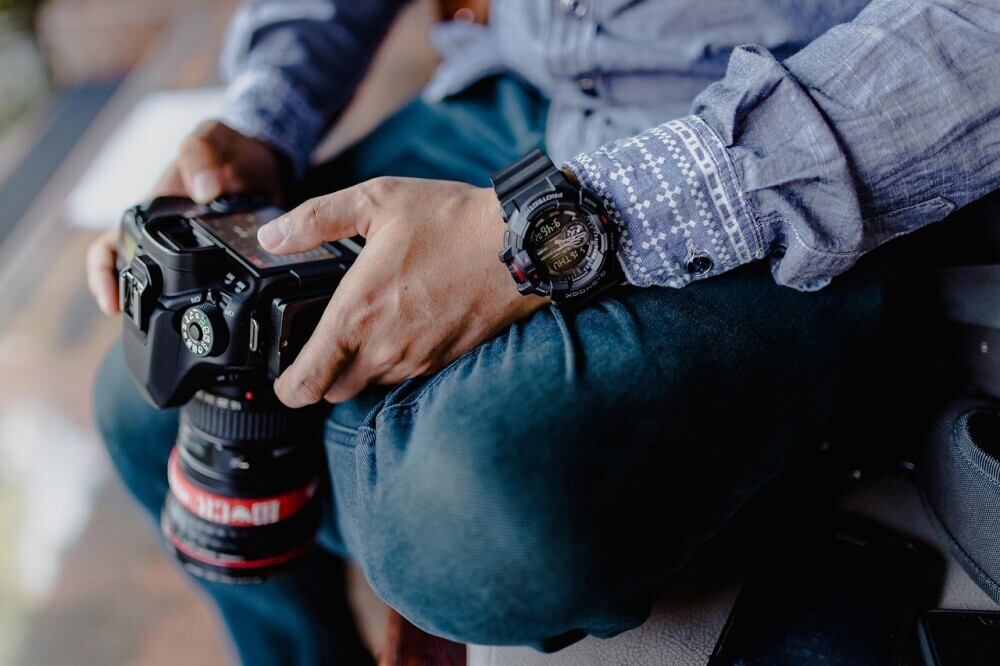
Adjust your gear choices based on what gives you the best frame without intrusive maneuvering.
Don’t underestimate the power of handy accessories.
Sunscreen, bug spray, and comfortable clothes can keep you at your best during long days outdoors.
A vest with plenty of pockets, knee pads for low-angle shoots, and a waterproof cover for your gear make the cut for must-haves on your list.
And because technology can be fickle, bring extra memory cards, batteries, and even a backup camera if you have one.
You never want to be caught short, especially when the perfect shot is waiting. Backup those photos on a laptop or another device each night to save yourself potential heartache.
These practical packing choices ensure you’re ready for whatever the field throws your way, keeping you focused on capturing those jaw-dropping bird images without a hitch.
Embracing the Experience: Ethical Wildlife Photography
Connecting with nature through your camera lens is an adventure, but with it comes a responsibility toward ethical photography.
The welfare of the birds should always take precedent over securing a mind-blowing shot.
This means maintaining a respectful distance and avoiding any disturbances to their natural habitats or behaviors.
Imagine yourself not just as an outsider, but as part of the ecosystem. This mindset shift can lead to a deeper appreciation for your subjects and a more authentic photography experience.
Remember, it’s about capturing birds in their unaltered, natural state, so using lures or making loud noises to prompt reactions is a big no-go.
Enjoying the experience also means knowing when to put the camera down and just soak in the beauty around you.
Sometimes, the most profound moments happen when you’re simply present, not hyper-focused on settings or angles.
Finally, take each outing as a learning experience.
Every trip enhances your skills, insights, and respect for wildlife, adding invaluable depth to your journey as a bird photographer.
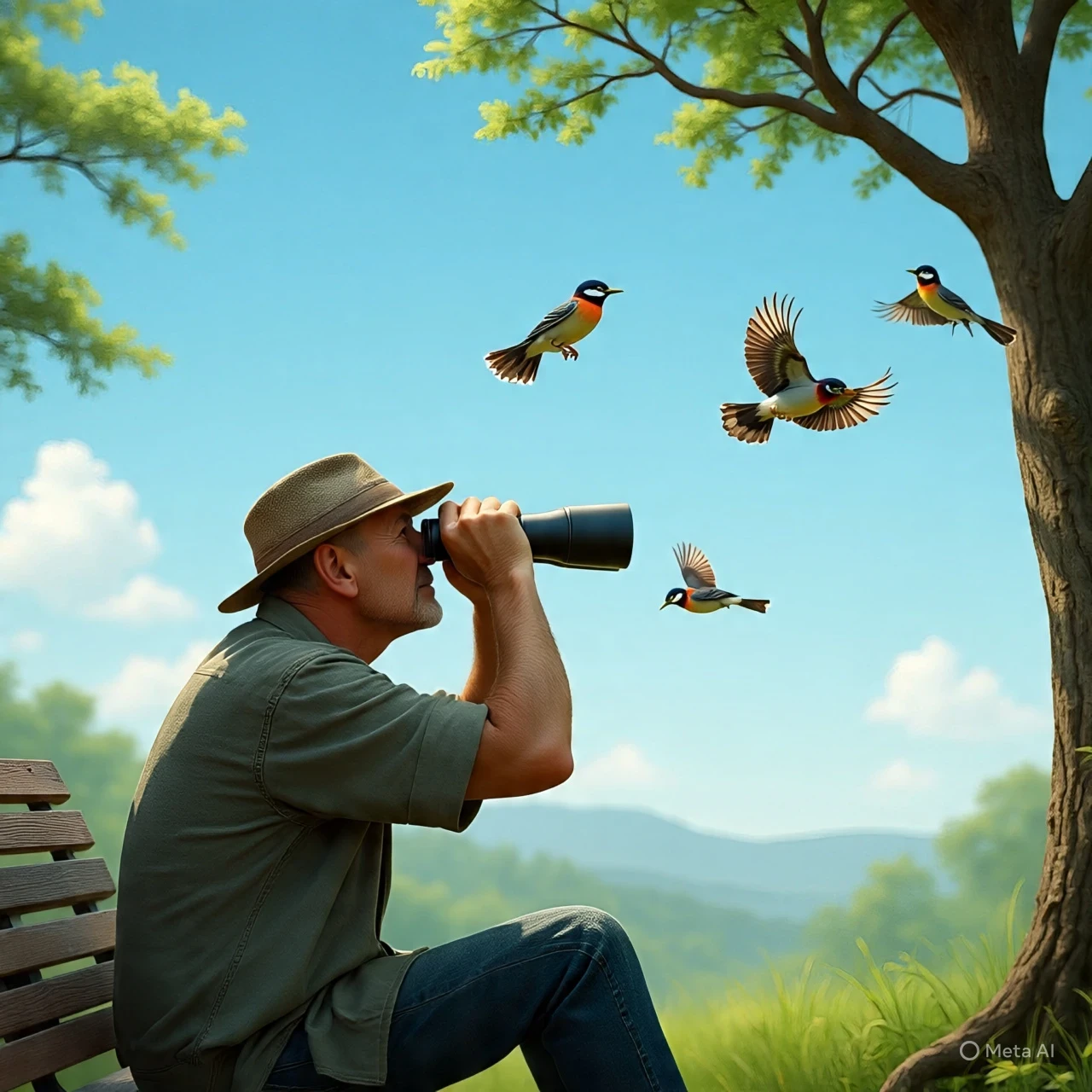 These ethical considerations don’t just lead to better photos — they enrich your entire experience in the field.
Beginner’s Guide: FAQs for Bird Photography Outings
Starting out as a bird photographer can feel a bit overwhelming, but don’t sweat it.
A great way to ease into the game is by scouting your local spots first.
Your backyard or nearby parks are perfect places to familiarize yourself with how birds move and react to your presence.
When’s the best time to whip out the camera? Think bookends of the day — the early morning after sunrise and late afternoons just before sunset.
These ‘golden hours’ aren’t just picturesque; that’s when birds are most active, providing prime photo opportunities under a flattering, soft light.
Tracking down specific birds comes down to research. Dig into field guides or birding apps to learn about their habits, favorite hangouts, and feeding times.
Familiarize yourself with their calls and songs too. It’s like knowing the soundtrack to the movie you’re about to see — it makes spotting your subjects that much easier.
As for gear, dive in with what you’ve got. You don’t need the latest gadgets to start.
A decent DSLR or mirrorless camera paired with a telephoto lens (say, 300mm or more) is a solid setup to capture distant birds.
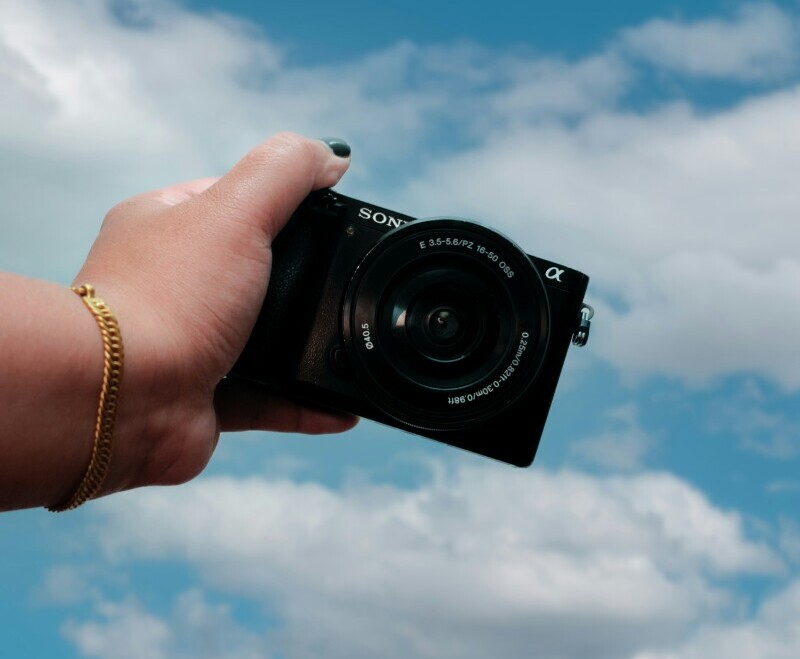
And don’t forget, a good tripod or monopod can be your best friend in keeping those close-ups sharp.
Getting the Best Camera Settings for Beginners
Nailing the right camera settings can transform ordinary shots into extraordinary ones.
For beginners, the Aperture Priority mode is a fantastic starting point. It allows you to control depth of field, helping you focus tightly on your feathered subject while softening the background.
A wide aperture, say f/5.6 to f/8, keeps the bird in sharp focus and creates that lovely bokeh effect, isolating it against a dreamy backdrop.
This is especially useful when you’ve got a cluttered environment and want the bird to be the star of the show.
Speed matters too, and in this dance of rapid wings, a fast shutter speed (try 1/1000s or faster) is key to capturing motion without blur.
This setting ensures that even the fastest wing flutter is frozen in time, letting you admire every detail.
ISO settings can be daunting, but Auto ISO can take a load off your mind, adjusting sensitivity on-the-fly based on lighting conditions.
If manual is more your style, aim to keep ISO low to reduce noise, but not so low that it sacrifices speed.
Focus settings are where you really get to shine. Continuous Autofocus (known as AI Servo for Canon, and AF-C for Nikon/Sony users) keeps the camera locked on your subject even if it decides to do a mid-flight pirouette.
This is your best friend for those action shots where the birds just won’t sit still.
These settings form the foundation of great bird photography, helping you grow comfortable with your camera’s capabilities while snagging incredible avian portraits.
Getting Up Close Without Disturbance
Mastering the art of subtlety is key when you’re trying to get close to birds.
Being inconspicuous reduces the risk of startling them, so moving slowly, wearing neutral colors, and blending into your surroundings works wonders.
Use the telephoto lens to your advantage.
This piece of gear lets you capture those intimate shots from a distance. There’s no need to creep closer physically when your lens is doing the legwork for you.
Anything between you and the bird, like bushes or trees, can be your natural cover.
Not only does this help with concealment, but it can also create interesting compositions by framing your subject naturally.
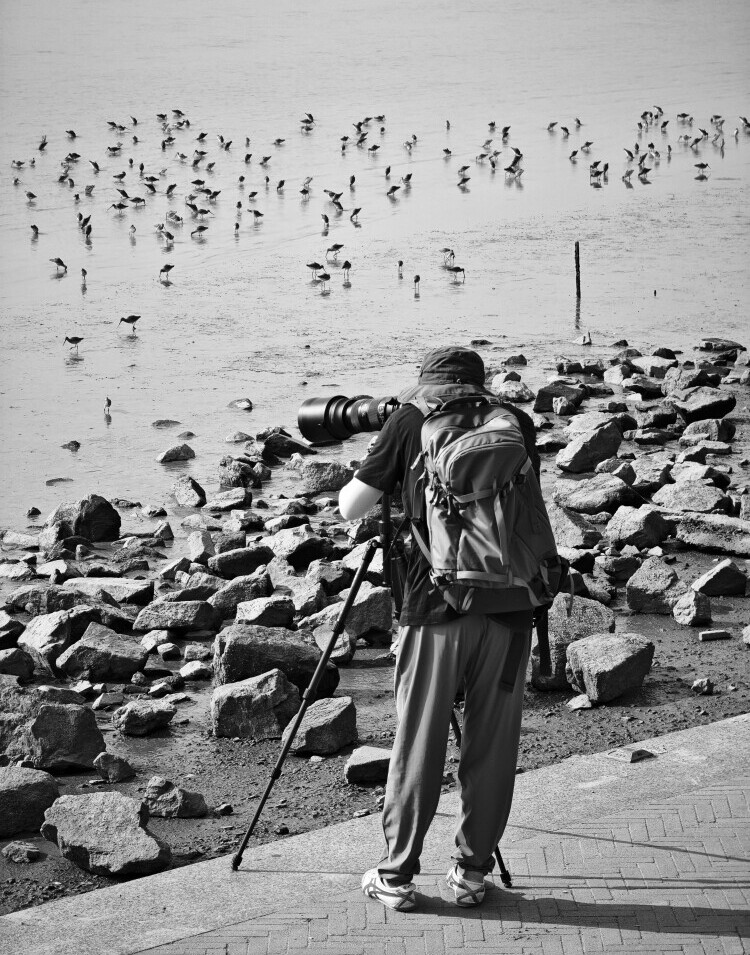
Consider using a birding blind if you’re set on getting those up-close-and-personal shots.
These pop-up shelters allow you to stay hidden while the birds go about their day, getting those natural, uninterrupted photos.
Relying on patience rather than pursuit often yields the best results. Sometimes it’s best to just sit and wait, letting the birds come to you.
This laid-back approach might mean fewer shots, but often it’s more rewarding, leading to more authentic captures.
Ethics and Composition
When you’re out capturing the avian world, ethical considerations are super important.
Keeping the birds’ well-being front and center ensures you’re not disturbing their natural behaviors for the sake of a snapshot.
Maintaining an appropriate distance and respecting ‘no-go’ zones like nesting sites are fundamental practices.
Ethical photography is more than just keeping a respectful distance. It’s about observing and appreciating without interference.
Avoid the temptation to alter the scene — no using food to lure birds or sounds to startle them. The goal is authenticity, not staged drama.
Now, let’s chat about composition. It’s not just about what’s in the shot, but how it’s framed.
Balance is key — use the rule of thirds to place your subject slightly off-center, creating a dynamic but harmonious scene.
Consider the background too. A clean, unobtrusive backdrop can make your subject pop and shine.
Play with perspectives to add uniqueness to your shots.
Shooting from eye level with your feathered friends can yield a more engaging and intimate portrait.
Experiment with angles and heights, not settling for a single viewpoint but exploring multiple vantages to capture the essence of your subject.
So as you hone your skills, keep ethics at the forefront and use composition to tell powerful stories.
This approach not only results in stunning images, but also promotes the respectful celebration of wildlife.