
Photographing rare and elusive birds is a real adventure.
It’s equal parts challenge and pure excitement. These birds are some of the hardest wildlife subjects out there, but capturing a sharp, expressive photo of one in its natural environment can be totally rewarding.
If you’re aiming to photograph shy warblers hidden deep in the forest or migratory raptors that only appear for days each year, the adventure is just as fascinating as the images you’ll create.
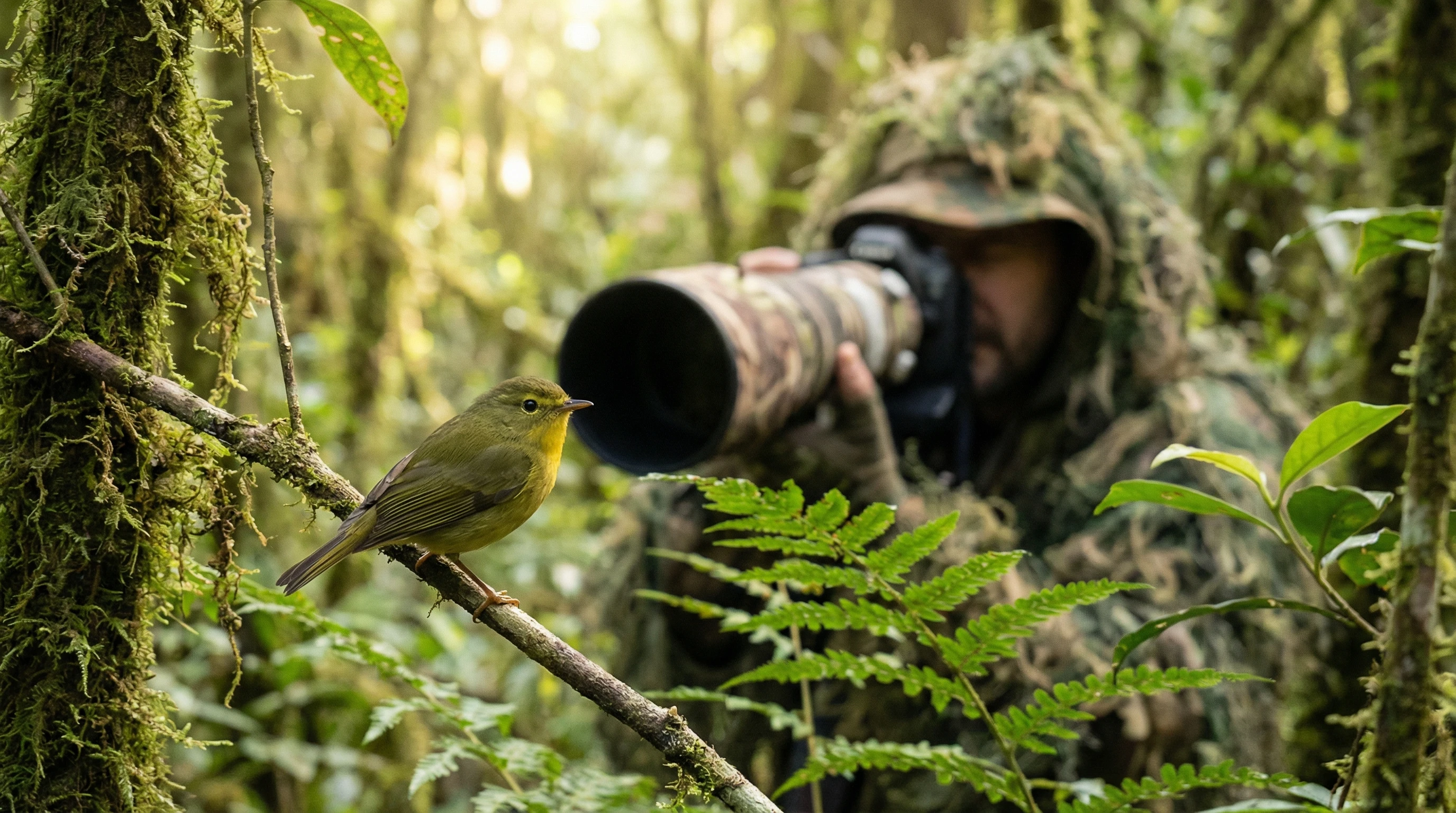
Why Rare and Elusive Birds Are So Special in Photography
There’s something really captivating about seeking out birds that most people may never spot, let alone frame through a camera.
Their secretive nature, limited populations, or specialized habitats mean extra effort goes into every shot.
These birds often teach me about patience, persistence, and the delicate balance between getting close enough for a photo and making sure I don’t disturb them.
What makes these birds hard to photograph comes down to a few things: they’re great at hiding, they’re often sensitive to the presence of people, and they usually live in tough to reach or dense habitats.
Success with these species means more than just camera skills. Fieldcraft, knowing how to move, where to wait, and how to blend in, becomes just as important as understanding camera gear.
Ethics are always front and center too, since rarely photographed species are easily disturbed and need extra respect.
This guide is all about helping you take your rare bird photography up a notch.
I’ll cover practical research tips, gear recommendations, field skills, camera settings, composition advice, ethical considerations, and a bunch of hands-on scenarios to get you started.
Whether you’re after your first glimpse of a secretive rail or want to record a unique moment with a scarce warbler, these steps will help you get there responsibly and creatively.
What Makes a Bird “Rare” or “Elusive”?
The term “rare” usually hints at birds with low numbers, like endangered species, vagrants, or birds restricted to specific locations.
“Elusive” refers more to birds that are pretty good at not being seen.
They might be common, but are experts at hiding, staying quiet, or moving in dense cover.
Some birds tick both boxes and are both rare and elusive, while others, like owls or rails, are just naturally hard to spot even if their numbers are decent.
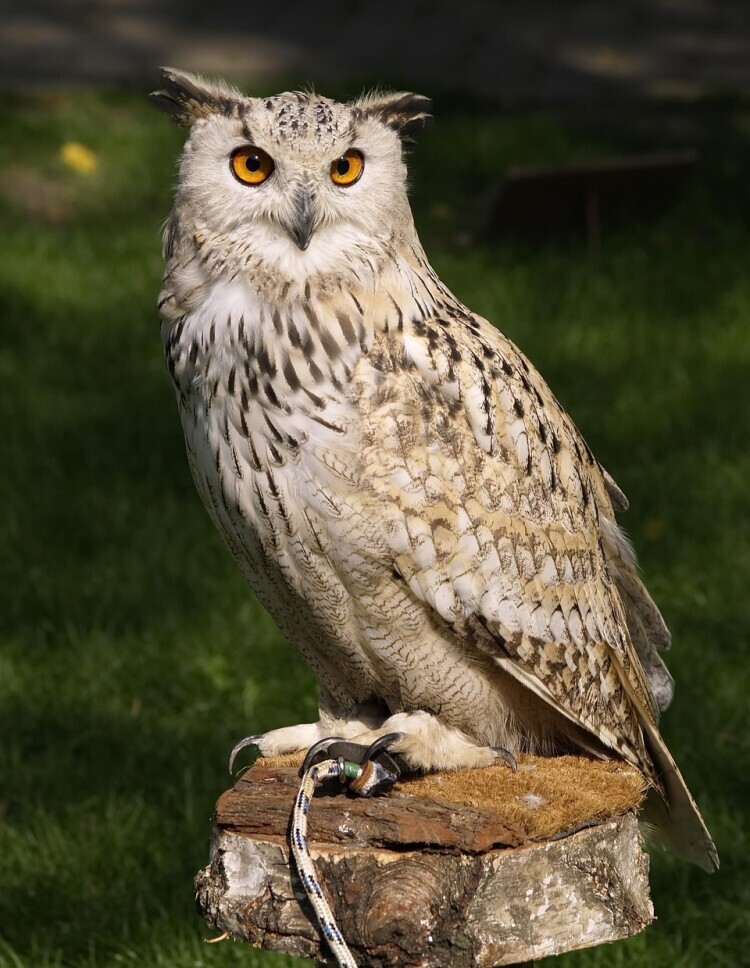
Some birds with tiny populations make the headlines, but many of the “hardest to photograph” birds are actually ordinary in numbers but prefer thick habitats, keep to low light, or simply freeze when someone is near.
Understanding the difference helps me pick my targets and approach them thoughtfully.
The reasons a bird is elusive often come from instinct and survival: they avoid humans, predators, or any form of disturbance.
This is where ethical choices matter most. Getting a photo is never as important as the welfare of the bird, especially for nesting or vulnerable species.
Research Before You Go (The Most Important Step)
Scouting and research is hands-down the biggest factor in finding rare birds.
Each step here gets you closer to both finding and photographing your target species, without relying entirely on luck.
Learn the Bird’s Habitat
Every rare or shy bird has favorite hangouts.
Some depend on wetlands or reed beds, others stick to deep forest understory, sprawling grasslands, rocky cliffs, or mangroves.
these details helps narrow down the huge search space. If your target is a grassland pipit, you won’t find it in the deep woods, and vice versa.
Habitat guides, local bird club reports, and eBird checklists are great for learning where your bird spends most of its time.
Some birds move with the seasons, so migration timing and weather play big roles.
Researching migration maps and timing your visit during peaks can make or break your chances.
I use online birding databases, field guides, and even Google Earth to scope out habitats before ever setting out.
Understand Bird Behavior
Learning how birds behave helps me predict where and when they’ll show up.
Feeding routines, for example; does the bird feed on the ground at first light or call from high branches at noon?
Perching habits, territorial announcements, and typical flight patterns all matter if you’re hoping to frame the perfect moment.
Studying call recordings, reading trip reports, and spending some downtime just watching (without the camera) goes a long way.
For really skittish species, figuring out their stress signals or routines can help you get the shot without spooking them.
Best Time to Photograph Rare Birds
Early mornings and late evenings offer the best combo of beautiful bird activity and the kind of warm, angled light that makes photos come alive.
Many elusive birds are crepuscular, meaning dawn and dusk are their favorite windows to sing, feed, or display.
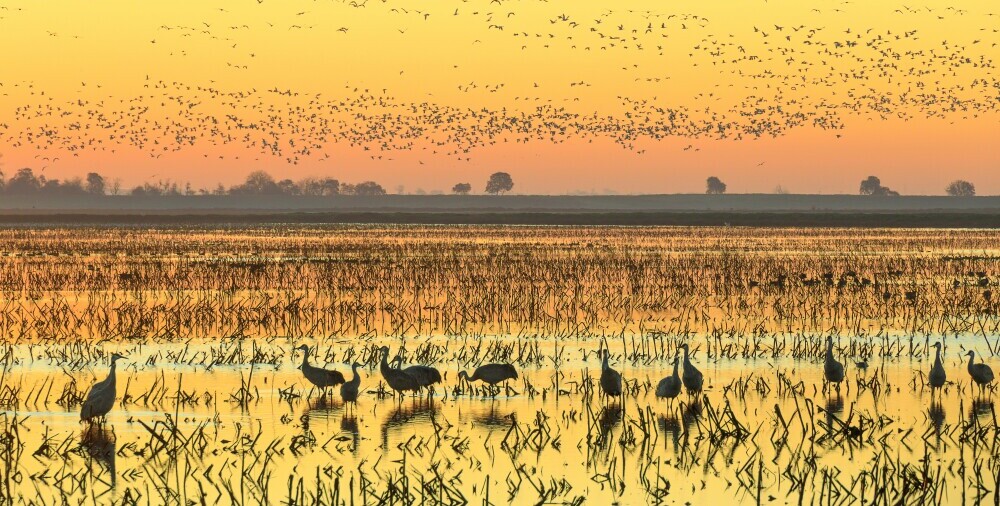
Light is softer and less harsh, plus there are fewer people around to disturb the birds.
Weather matters too.
Overcast days can create beautiful, even light that handles contrasty birds well, while a bit of fog or light drizzle can make birds more approachable and the images feel more atmospheric.
Essential Gear for Photographing Rare and Elusive Birds
Camera and Lenses
Long lenses, typically in the 400mm–800mm range (or even more for smaller birds), make a big difference when you can’t get close.
Fast lenses (with wide maximum apertures like f/4 or f/5.6) help with both low light conditions and nicely isolating your subject.
Larger sensors in mirrorless or DSLR cameras also help with image quality in tricky light and allow for cropping if the bird is distant.
Support Gear
I like having a tripod for long stakeouts, especially in low light or with heavy combos.
A monopod can help with mobility if you’re tracking moving birds.
Sometimes, handheld shooting is the way to go; it’s faster and gives you more flexibility for quick movements, but you’ll want decent image stabilization.
A remote shutter release or using the camera’s built-in timer can help avoid shake during long exposures.
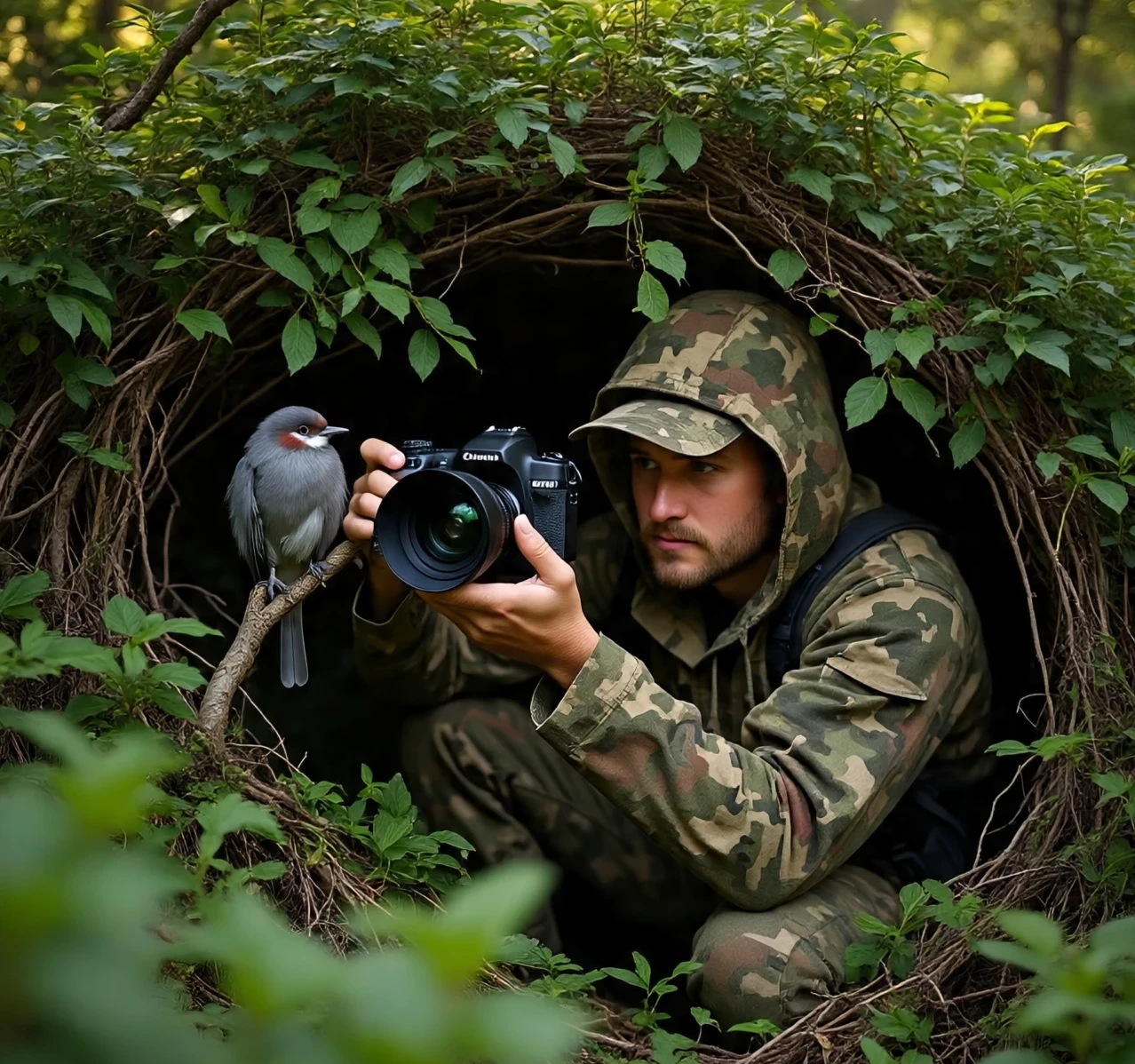
Stealth and Concealment Tools
Blinds or hides (even just a camo cloth) can make a big difference with birds that flush easily.
Using the environment for cover, such as tree trunks or tall grass, lets you get closer without alarming your subject.
Clothing in earth tones or camo patterns is practical for blending in, and making sure nothing shiny or bright is visible helps too.
I also keep gear noise to a minimum; padded straps and silenced zippers come in handy.
Camera Settings for Rare and Elusive Birds
Shutter Speed
Birds are fast, and rare sightings often last just seconds.
For birds in flight, I’ll use 1/2500s or faster to freeze wings and avoid blur.
When a bird is perched and still, it’s okay to drop down to 1/320s or even 1/200s, especially if conditions are dark or I’m relying on a tripod, to keep ISO lower and avoid noise.
Aperture
Shooting wide open (like f/4 or f/5.6) is pretty handy for letting in light and getting sharp focus on the bird with a soft, blurry background.
This helps the bird stand out.
For busy environments or when photographing from a hide, sometimes stopping down a notch gives just enough depth of field to keep the whole bird sharp without distracting elements fighting for attention.
ISO Management
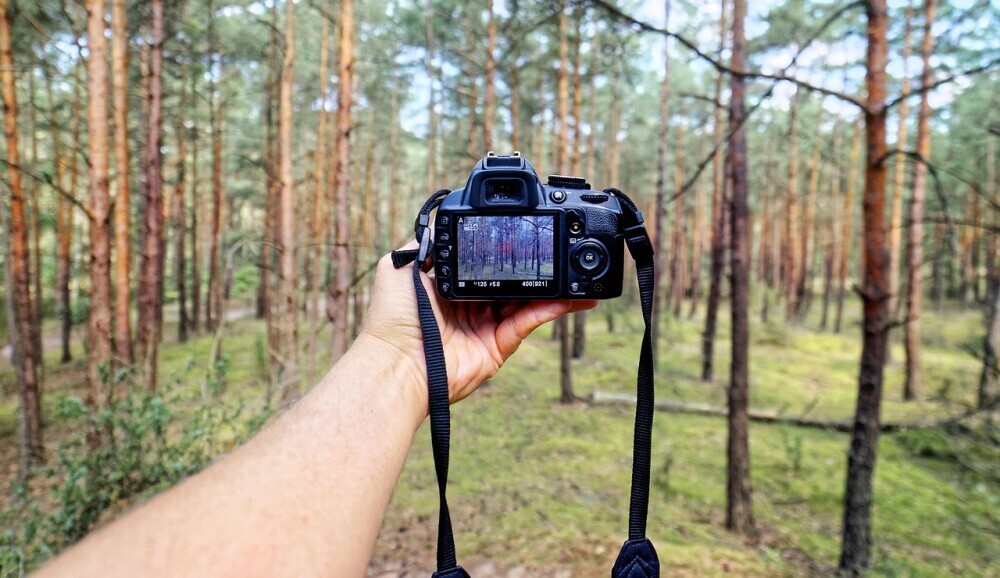
Preserving detail and keeping sharpness almost always beats worrying about high ISO noise.
Rare birds don’t always cooperate with perfect light, so I’ll happily let ISO climb higher if it lets me use faster shutter speeds and freeze a great moment.
Modern cameras handle noise well, and noise reduction software can tidy things up after the shoot.
Focus Settings
Continuous autofocus (AF-C) is a lifesaver when a bird is moving or unpredictable.
This keeps focus locked and tracks the subject.
Back button focus is super useful too; it separates focusing from shutter release and gives better control.
Using the smallest AF point available and aiming for the bird’s eye usually delivers the sharpest results, as this is what grabs a viewer’s attention most.
Burst Mode
Continuous shooting lets me capture a whole sequence of action, like a bird landing, taking off, or reacting to something.
It increases my odds of getting just the right wing position or expression, especially since rare opportunities often flash by in seconds.
Just remember, not every frame will be gold!
Field Techniques: Stealth, Patience, and Positioning
Staying Invisible
Moving with purpose is really important.
Birds pick up on sudden or direct movements. Staying low, using slow zigzag approaches, and keeping your body behind natural cover can let you get closer or wait in plain sight without causing panic.
Sometimes, just sitting quietly and blending in for 10–15 minutes is all it takes for the bird to relax and get back to its routine.
Respecting Distance
Getting too close isn’t worth the shot if it means the bird leaves or becomes distressed.
If a bird freezes, flicks its tail, crouches, or looks around nervously, those are clues to slow down, stay put, or back away.
Many of my best behavior shots and natural poses happened because I kept a proper distance and let the bird decide how close it felt safe.
Mastering Patience
Sitting still for long stretches can feel boring, but it’s often when birds show the most interesting behavior, like preening, feeding, or interacting with their environment.
When you chase, birds move away.
When you wait, they come to you or forget you’re there. Stillness gets you closer, photographically and physically.
Composition Techniques That Take Rare Bird Images Up a Notch
Get to Eye Level
One of the fastest ways to step up your bird photos is by matching the bird’s eye level.
This gives images a more natural and intimate feel.
If the bird is on the ground or low in the foliage, crouching, kneeling, or lying flat can make a huge difference.
Focus on the Eyes
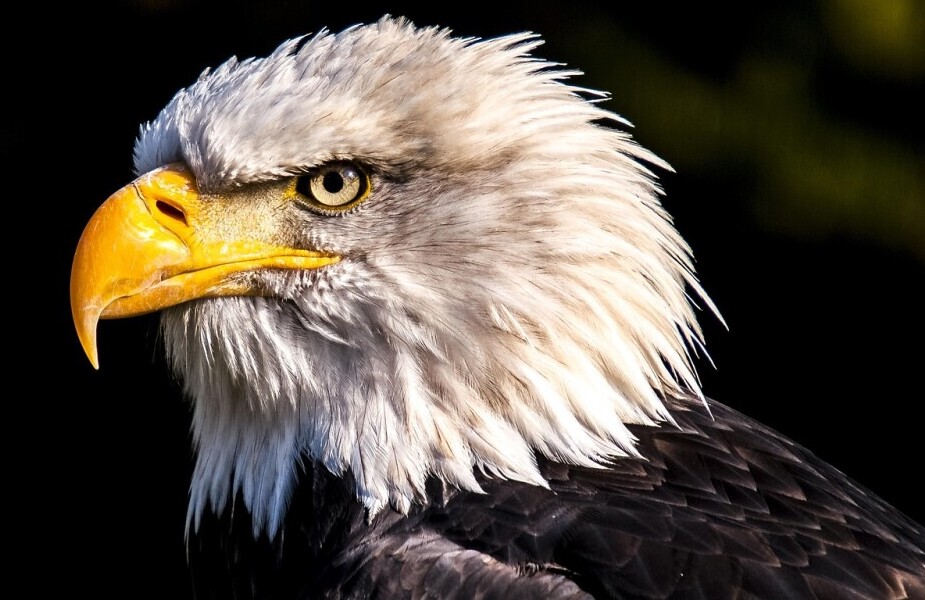
Sharp, well lit eyes are where viewers make an instant connection.
Always aim for the eye whenever possible, as it anchors the image and grabs attention, even if the rest of the bird is partially hidden by leaves or branches.
Use the Environment
Showing the bird’s habitat tells a bigger story than a simple portrait does.
Letting branches, reeds, or landscape elements frame your subject brings out a sense of place.
For rare species, showing some of their environment is also important for documentation and adds context for those who study them.
Capture Moments, Not Just Portraits
Action shots, like a bird catching prey, interacting with others, or fluttering its wings, tend to stand out more than static images.
I always keep an eye out for feeding, preening, or takeoff and landing sequences.
These tell stories and give viewers a feeling of actually being there.
Exposure Techniques for Challenging Subjects
Some rare birds have plumage that’s very bright or shiny.
Think white egrets, reflective waterbirds, or iridescent species.
Exposing for the brightest spots helps avoid blown highlights. Negative exposure compensation (such as -1EV or -2EV) can protect those feather details, especially in strong light.
Shooting in RAW boosts my ability to recover highlight or shadow details later.
When in doubt, exposing for the highlights is the safer call, since shadow recovery is usually easier than fixing lost whites.
Anticipation: The Skill That Separates Good from Great
Predicting when a bird will take off, call, or display comes from spending time watching, learning body signals, and getting to know the patterns of your subject.
A crouched posture, sudden alertness, or a quick flick of wings can mean a launch is seconds away.
Recognizing preflight behavior gives you the split second edge for nailing the action.
Seeing repeated routines also helps.
Many birds act out the same sequence at a favorite perch, so planning your focus and settings ahead saves time and raises your chances.
Ethics and Responsible Wildlife Photography
Being respectful is super important, especially with sensitive or threatened birds.
I avoid flushing birds off perches or nests, keep away from breeding areas, and never use audio lures where they’re discouraged or can stress the species.
Every action leaves an impact. Leaving no trace and reducing disturbance helps ensure birds remain in good shape for future visitors and for the birds themselves.
Sticking to these principles means everyone, photographers, birders, the birds, benefit.
Over time, ethical practices support conservation and win trust from those protecting birds and habitats.
Common Mistakes to Avoid
- Chasing birds instead of waiting: Patience beats pursuit almost every time.
- Shooting only from standing height: Getting low makes your photos more engaging.
- Ignoring background clutter: Busy or messy backgrounds pull attention from your subject.
- Overusing burst mode without intention: Fire in bursts when there’s action, not for every frame.
- Prioritizing proximity over behavior: Natural poses and actions make for better stories than just close portraits.
Practice Scenarios for Building Skill
- Practice in local parks or nature reserves to gain experience before going after rarities.
- Work with common but shy birds (like thrushes or woodpeckers) to learn stealth techniques.
- Return to the same spot multiple times; patterns emerge and photos improve.
- Use binoculars for observation on days when photography isn’t possible. Watching bird behavior is great prep for future shoots.
Key Tips for Photographing Rare and Elusive Birds
- Research and preparation almost always beat getting lucky in the field.
- Knowing your target’s habits helps way more than simply using fancy gear.
- Sharp observation skills and patience lead to better images than any piece of equipment alone.
- Respect for wildlife always comes first; birds’ needs outweigh getting the shot.
Frequently Asked Questions
What shutter speed is best for rare birds in flight?
For most birds in flight, aiming for at least 1/2500s helps freeze motion and keep wings sharp.
How close should you get to elusive birds?
Getting as close as the bird is comfortable without causing stress is best. Sometimes a longer lens is the better choice for sensitive species.
Is it ethical to photograph rare birds?
Totally, as long as photographers avoid disturbing them, stay away from nests, and respect local conservation rules.
What time of day is best for rare bird photography?
Dawn and dusk are usually the most productive for both bird activity and soft, beautiful light.
Further Reading
- Bird photography at dawn and dusk
- Creative use of depth of field in bird photography
- Camera settings for bird photography
Wrapping Up
Photographing rare and elusive birds is an adventure that lasts far longer than a single outing or snapshot.
The strongest images come through respect, patience, and truly understanding your subject.
I always encourage slowing down, observing more, and shooting less. Focus on quality over quantity.
There’s plenty more to check out in bird photography, so track down related guides and keep building your skills one mindful shot at a time.