Flying a drone is more than just a fun hobby; it’s stepping into the fascinating world where birds soar freely.
When you bring your drone into this space, there’s a whole set of responsibilities to keep in mind.
Birds, just like humans, don’t like surprises, especially not mechanical ones in their sky.
The goal here is to focus not only on capturing amazing footage but also on ensuring that these incredible creatures remain unharmed and undisturbed.
Birds are highly sensitive to their surroundings.
A sudden drone appearance can cause unnecessary stress or even flight, which might not just interrupt their day but can lead to serious consequences especially during breeding seasons.
So, what’s the plan?
Well, flying a drone safely around birds starts with understanding the rules, recognizing the distances to keep, and practicing smooth techniques that respect their space.
You’ll get the lowdown on legal must-knows — because yes, there are laws protecting our feathered friends.
Plus, there’s a big need for ethics in this game.
This isn’t just about what you can do legally; it’s about what you should do as a considerate drone enthusiast.
Birds and Drones: The Conservation Battle
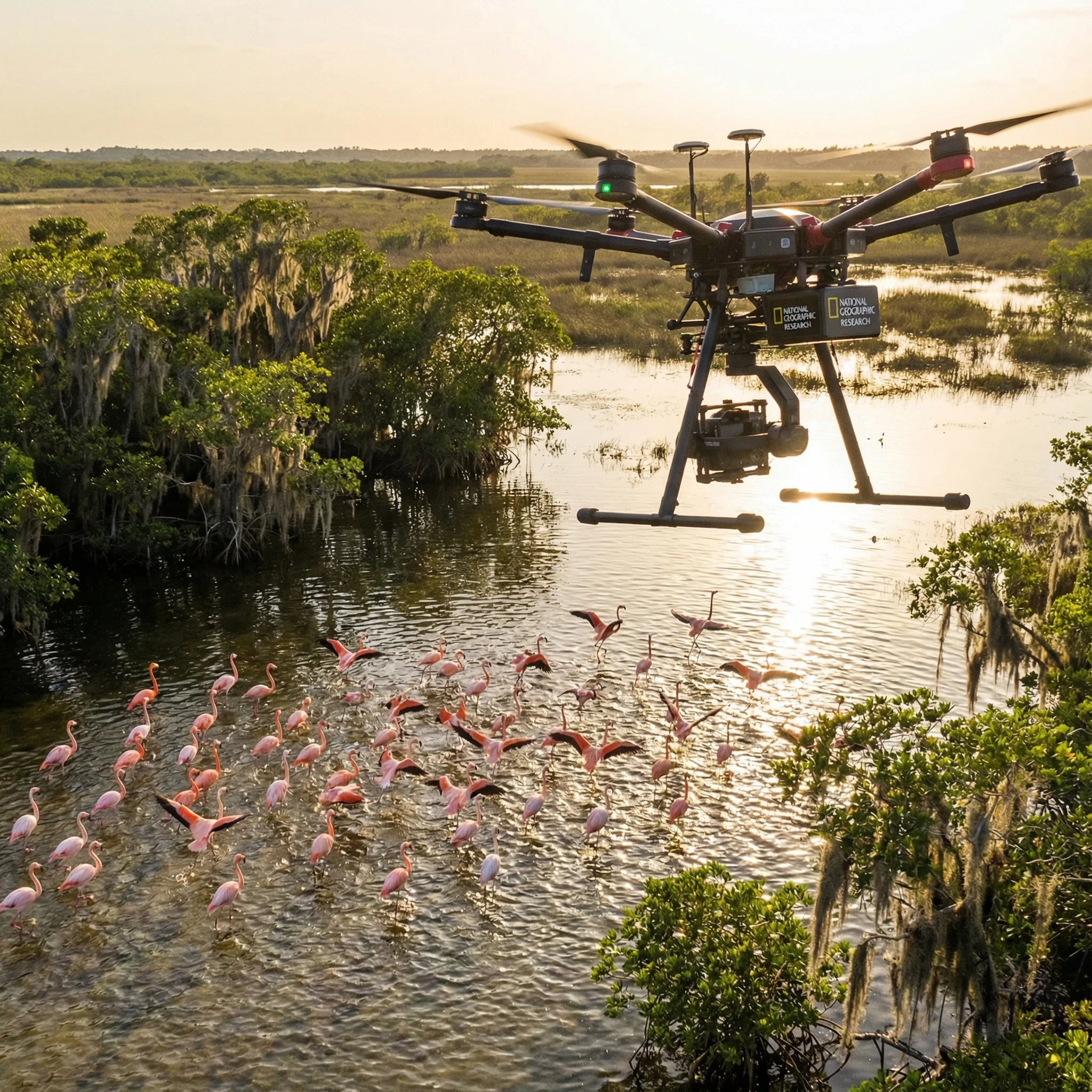
Picture this: drones buzzing around, snapping shots of birds in their natural drama.
But here’s the rub—it’s not always a photo finish for the birds. Drones can be a real stressor, transforming a relaxing day into a chaotic squabble.
Birds, especially during breeding seasons, are super territorial and protective.
A drone’s sudden appearance can send them fleeing or frantically defending their turf, which is the last thing we want.
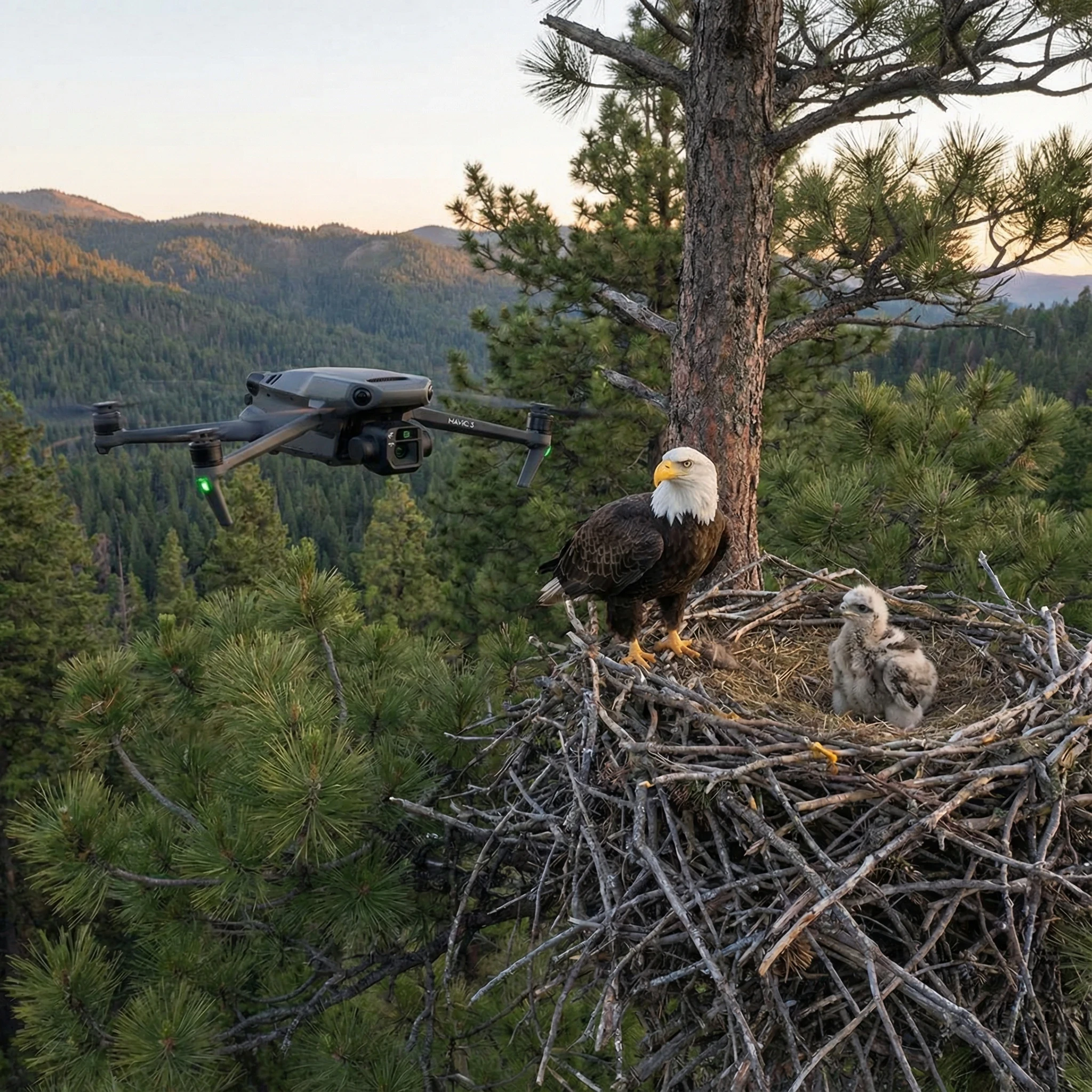
Larger birds like eagles or hawks might see drones as a threat.
Their response could be anything from attacking the device—which isn’t great for anyone involved—to abandoning their nests under stress, leaving their future offspring at risk.
Here’s a golden nugget: tampering with wildlife isn’t just frowned upon; it can land you in legal hot water.
Protecting wildlife is serious business, and there are hefty fines for disruptions, especially in sanctuaries or with protected species.
That’s why as drone pilots, knowing the ropes of local regulations and recognizing the conservation implications is crucial.
Responsible flying isn’t just protecting birds; it’s about preserving your fantastic hobby.
Take pride in minimizing interference and being a part of a conservation-conscious community that’s all about balance and respect.
Regulation and Preparation: Know Before You Fly
Before you jump into the thrill of flying your drone alongside nature’s aviators, getting the lowdown on the rules is crucial.
Every region has its own set of drone regulations, and understanding them is like learning the ropes in any new hobby.
Jumping right in without knowing the legal ins and outs can lead to some not-so-fun consequences.
You’ll want to make sure you’ve nailed down any licensing you might need. Some places require permits, especially when photographing wildlife or flying in sensitive areas.
No-fly zones and altitude limits are also something to keep on your radar.
These can change, so it’s good to keep up with the latest updates.
Staying within legal altitude boundaries isn’t just a guideline but a must-do for keeping both wildlife and your drone safe.
When it comes to birds, there are often additional wildlife protection laws.
These regulations ensure you aren’t disturbing protected species or infringing on national park territories.
Trust me, respecting these rules not only saves you from legal mishaps but keeps you aligned with ethical flying practices.
Luckily, tech comes to the rescue.
Apps like DJI FlySafe and AirMap are super handy for first-timers, helping you navigate regulations and find safe flying zones.
These tools are lifesavers for mapping out where you can fly without stepping on any legal toes.
Master the Basics: Building Strong Foundations
Before you start spinning around with your drone near any birds, getting the basics down is the name of the game.
Think of it like learning to drive; you wouldn’t hit the highway without being comfortable behind the wheel. The same goes for manning your drone.
Beginners, start in open spaces where there’s room to breathe and explore.
It’s all about understanding your drone and developing a real feel for its controls.
Practice until hovering feels as natural as holding your breath. The art of a steady hover is your ticket to capturing those perfect frames—once you’re a whiz with the basics, that is.
Smooth turns, controlled ascents, and descents all help build your confidence.
Use these skills to maneuver without causing a birdy chorus of panic. It’s also a good idea not to approach any winged friends until these actions feel second nature.
No birds need to worrylessly awash your learning curve!
Every little move matters. Refining these skills ensures you’re not just flying, but really flying with consideration.
It’s what turns a beginner into a responsible drone pilot ready to respect and interact with the avian world.
Keeping a Safe Distance: Respect the Boundaries
Keeping your distance when flying near birds isn’t just about being polite—it’s crucial for their safety and peace.
Think of distances less like strict rules and more like invisible barriers that help maintain harmony.
When buzzing around most birds, staying 30 to 60 meters away is generally a good call.
Waterbirds appreciate a bit more space, around 80 to 100 meters. Raptors, those majestic and big birds of prey, require even greater respect—100 meters or more far out’s best.
Transfers into their windswept territories can quickly switch from spectacle to a risky affair.
Always avoid flying near nests, period.
Birds see them as high-security areas, and any perceived threat there ramps up stress unpredictably.
Keep an eye out for signs you’re getting too close.
Alarm calls, flapping, or pointedly looking at your drone are indicators it’s time to back off. If birds start to move away or posture aggressively, it’s your cue to gently peel back.
Sticking to these guidelines keeps your interactions as non-intrusive as possible.
Observing their reaction builds a two-way street of respect—which is golden in the world of drone flying.
Smooth and Predictable: Enhancing Comfort for Birds
Smooth moves aren’t just for dancers—they’re a drone pilot’s best friend, too.
When flying near birds, predictable and gentle maneuvers help maintain the peace.
It’s essential for reducing stress on our feathered friends and helps in getting that crisp, clear shot you’re after.
Slow movements give birds time to adjust, minimizing any surprise factor. It’s like knocking before entering—letting them know you’re there but staying cool and collected.
Using slow or ‘Cine Mode’ on your drone helps keep your paths leisurely and deliberate, which is great for both you and the birds.
Avoid sudden jerks or drastic changes in direction. Stick movements that are smooth help ensure that your drone isn’t making any abrupt announcements.
Practicing micro-adjustments allows for subtle navigation tweaks without causing a ruckus.
A steady and consistent flight direction is key.
It provides predictability—birds can better anticipate your movements and remain unfazed.
By focusing on these smooth control techniques, you’re upping your drone game while keeping bird stress at a minimum.
Ethical Navigation: A Mutual Respect in the Skies
Approaching birds indirectly is more than a technique—it’s about showing respect while sharing the sky.
Flying straight toward birds can cause panic, and some might even defend their space.
To avoid this, give indirect routes a shot.
When aiming for that perfect shot, a horizontal approach from the side is less startling.
Aerial photography?
A top-down, controlled descent works wonders without trespassing into their flight paths.
Being mindful of the direction keeps things calm and collected for everyone involved.
It’s also crucial to avoid these flights during sensitive times like nesting and migration seasons, where added stress can mean real harm to birds.
With territorial birds like raptors or certain waterbirds, high altitudes or a total no-fly option keeps tensions low.
Learning to read bird behavior makes a world of difference.
Understanding when they’re relaxed versus when they’re on edge means you can adjust your actions accordingly.
This thoughtful approach reinforces a bond based on mutual respect, turning the skies into a shared and harmonious space.
Frequently Asked Questions (FAQs)
i. Is it safe to fly a drone around birds?
Yes—if you do it correctly. Safe drone flying depends on keeping a respectful distance, avoiding nesting areas, using slow and predictable flight movements, and following wildlife protection laws. Birds can become stressed or territorial, so responsible flying is essential.
ii. How close can I fly my drone to birds?
A good beginner guideline is:
- 30–60 meters (100–200 ft) from most birds
- 80–100 meters from waterbirds
- 100+ meters from raptors (eagles, hawks, falcons)
When in doubt, add extra distance. If birds react or look disturbed, increase your altitude or back away.
iii. Can birds attack drones?
Yes—especially larger raptors like eagles and hawks, which may see drones as intruders or threats. They may swoop, dive, or strike. Staying at higher altitudes and avoiding nesting territories drastically reduces the risk of conflict.
iv. Are drones allowed in national parks or bird sanctuaries?
In many countries, flying drones in national parks or protected wildlife areas is illegal without special authorization. Always check local rules before flying. Violating protected-species laws can lead to fines or confiscation of your drone.
v. How do I know if a bird is stressed by my drone?
Watch for behavior such as:
- Repeated alarm calls
- Aggressive posturing
- Sudden flight or flushing
- Birds looking upward continuously at your drone
If you see these signs, increase distance immediately or end the flight.
vii. What flight mode should beginners use when flying near birds?
Use Cine Mode, Tripod Mode, or other slow-movement modes. These reduce stick sensitivity and prevent abrupt movements that might disturb birds.
viii. What’s the safest way to approach birds with a drone?
Use indirect, horizontal approaches or top-down slow descents. Never fly straight toward birds or directly into their flight paths. Avoid flying during nesting or breeding seasons.
viii. Do I need a license to fly a drone near wildlife?
Many regions require at least a basic recreational drone license or an online safety test. Photography for commercial purposes may require additional certification. Always check your aviation authority’s guidelines.
ix. What apps help identify safe flying zones?
Beginner-friendly apps include:
- DJI FlySafe
- AirMap
- B4UFLY
These tools show no-fly zones, restricted wildlife areas, and altitude limits to help you stay compliant and safe.
x. Can I fly my drone near bird migration routes?
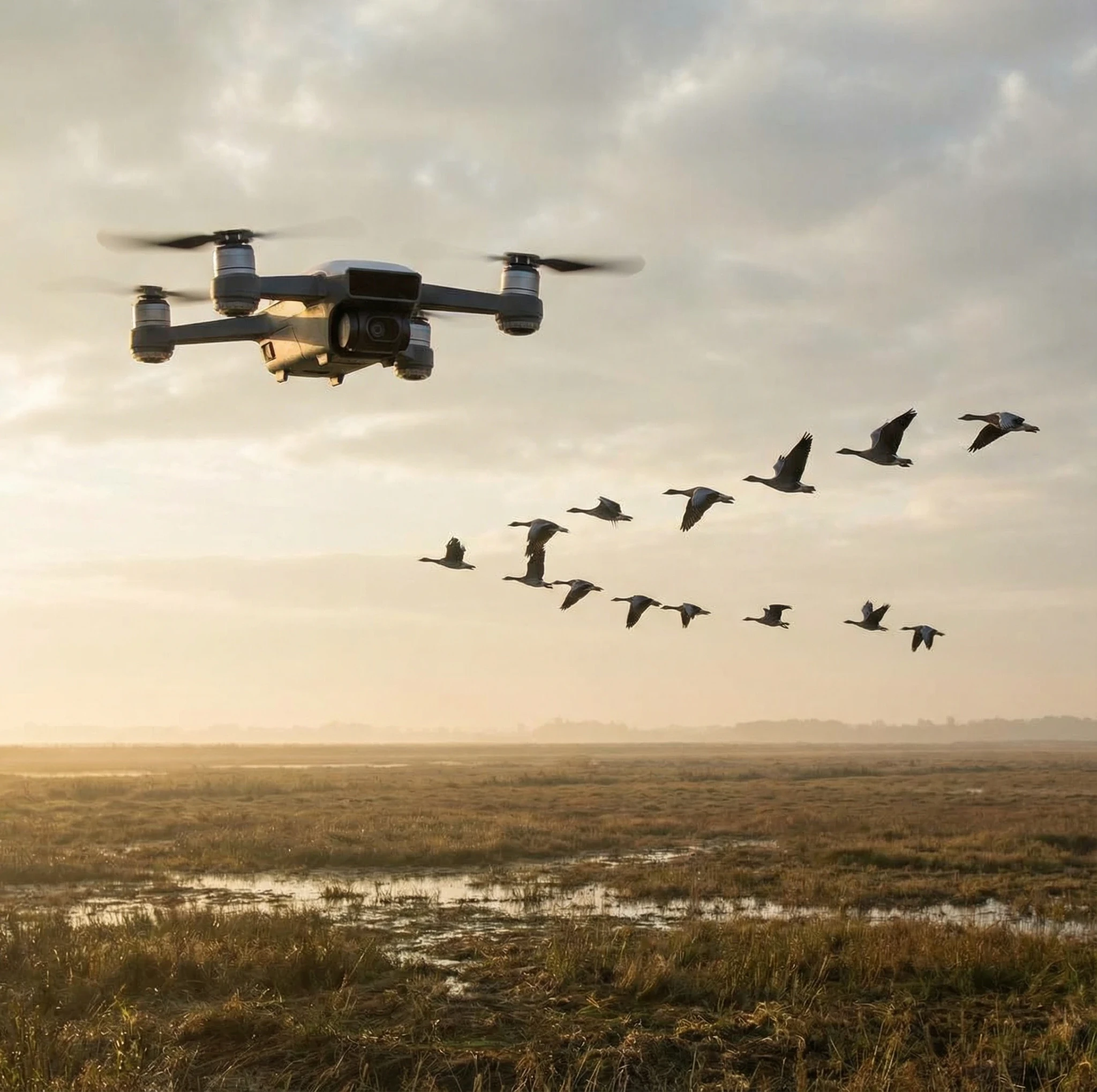
It’s not recommended. During migration, birds expend a lot of energy and are easily stressed. Keep flights far from migration corridors, large flocks, and staging areas where birds rest.
Conclusion: Fly Smart, Fly Kind, and Share the Sky Responsibly
Flying a drone around birds is an incredible experience—one that blends technology with nature in a way few hobbies can. But with that opportunity comes responsibility. When you fly with awareness, respect, and good technique, you not only protect wildlife but also elevate your skills as a drone pilot.
By understanding regulations, keeping safe distances, mastering smooth flight, and reading bird behavior, you become part of a new generation of drone photographers who value conservation as much as creativity.
Now it’s your turn to put these best practices into action.
Ready to become a responsible, confident drone pilot?
Start with small, controlled flights. Practice smooth hovering. Learn to read birds’ reactions. Each careful step brings you closer to safer skies and more breathtaking footage.
If this guide helped you:
✔️ Share it with other drone beginners
✔️ Leave a comment with your biggest takeaway
✔️ Explore more drone-and-wildlife guides on this blog
Together, we can create a sky where drones and birds coexist peacefully—one thoughtful flight at a time.