
Bird feathers are a photographer’s dream subject if you’re into detail and pattern.
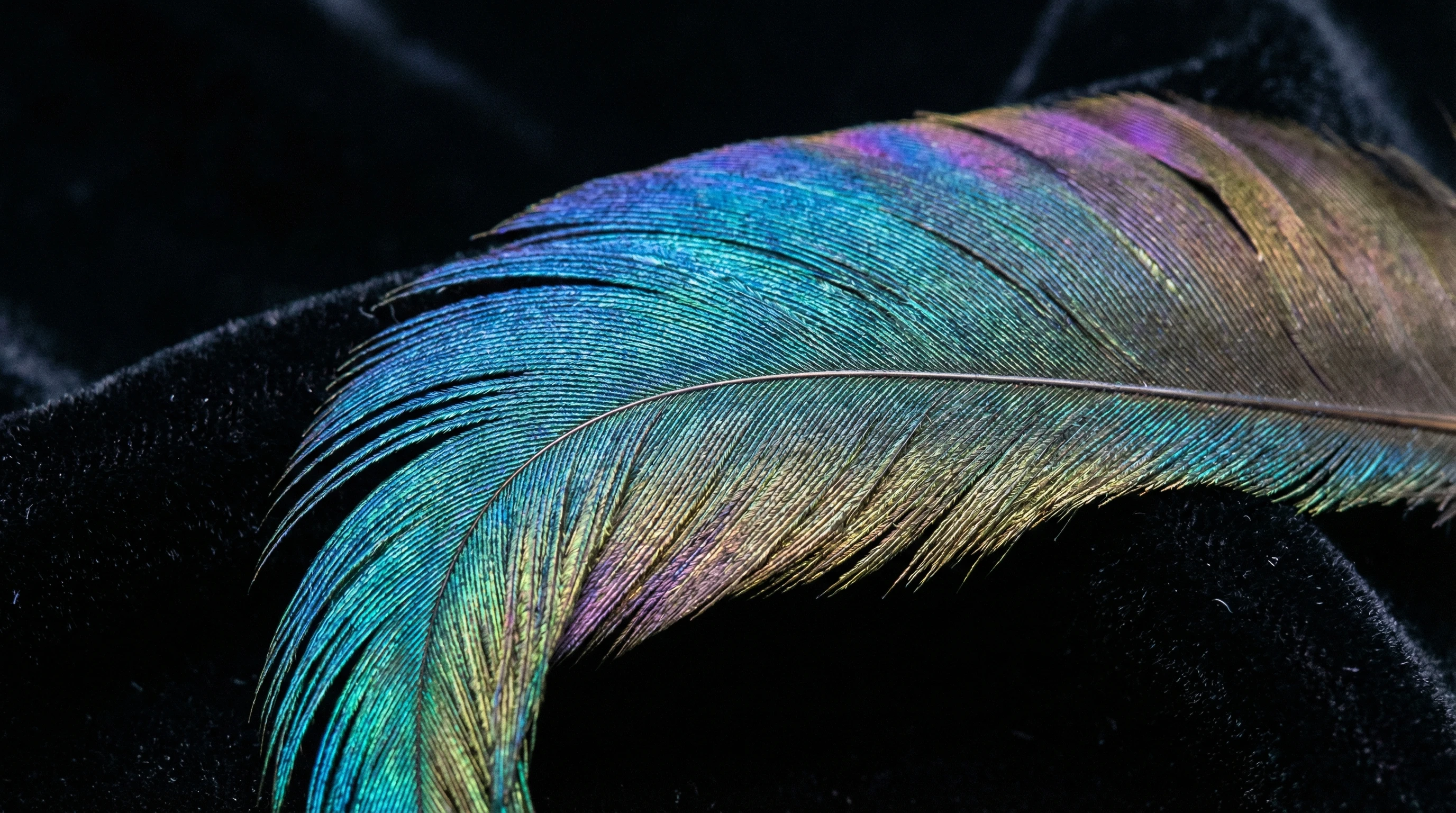
The first time I zoomed in on a single feather, it really struck me how they’re like tiny masterpieces of color, texture, and symmetry.
If you enjoy mixing nature photography with closeup, almost abstract fine art, focusing on feathers opens up an amazing world that’s hiding in plain sight.
In this guide, I’ll walk you through everything you need to know about capturing feathers at their absolute best.
You’ll find advice on sourcing feathers, maximizing focus and sharpness, handling lighting and composition, and even transforming your feather photos from documentation to something fit for an art print.
I’ll also dig into tricks for aligning and arranging feathers, as well as how to avoid the most common pitfalls I see with beginners.
By the end, you’ll have a solid handle on both the creative and technical aspects of feather photography.
I’ve also included answers to questions I get asked all the time, based on practical experience.
Why Bird Feathers Are Worth Photographing
I think bird feathers are some of the most visually interesting things you can put in front of a camera.
Up close, you’ll find everything from geometric symmetry and bold colors to tiny iridescent patterns that shimmer as the light changes.
The zoomed-in details often turn everyday feathers into almost abstract compositions, letting you see things you wouldn’t notice at regular size.
One neat aspect is that you can use feathers to create more artistic arrangements, like layering them in a fan or spiral, rather than just snapping a photo of a bird in the wild.
This opens the door for creative play with design, rhythm, and negative space.
It’s a noticeable switch up from documentary wildlife photography, where the bird is the main event, to something more experimental and creative.
Both approaches are worthwhile, but each calls for different choices in lighting and composition. If you want an eye-catching image, feathers are built for it.
Finding Bird Feathers Ethically and Legally
Feathers Found in Nature
You don’t have to buy fancy supplies to get started; most people can find feathers just by keeping their eyes peeled.
My favorite spots are the edges of lakes, parks, and quiet woodlands.
A lot of times, you’ll stumble upon tail or wing feathers, which are usually the largest and easiest to handle.
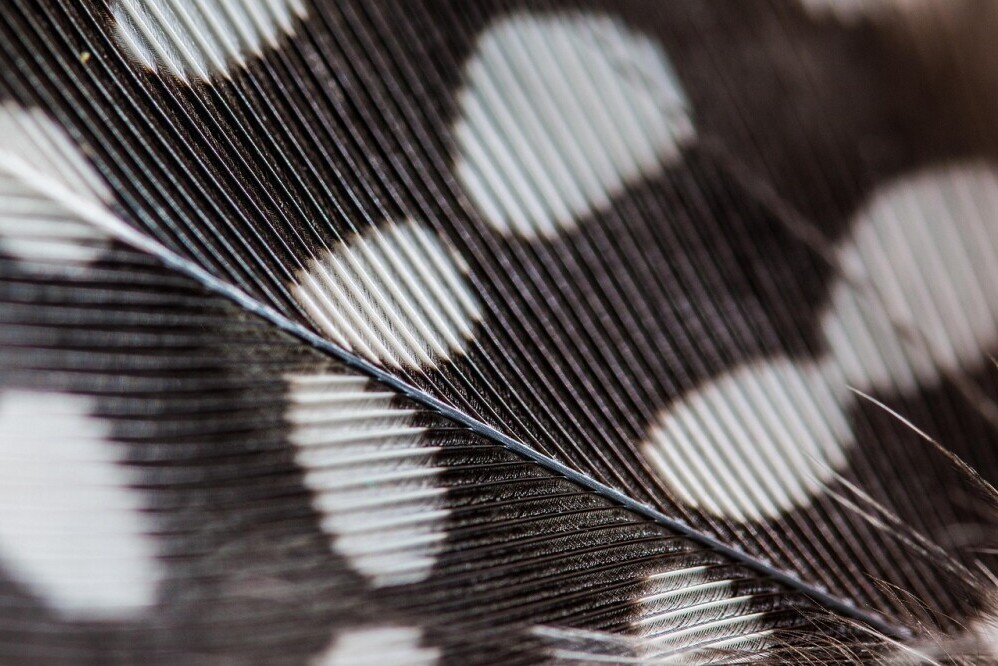
Smaller contour feathers work too and sometimes surprise you with their colors.
Before you pocket a feather, though, get familiar with your local wildlife regulations. In places like the U.S., picking up feathers from protected species (even if you just found them lying around) is not allowed.
Laws differ by country and even by species, so double-check for area-specific rules to make sure you’re in the clear.
Generally, mallard, pigeon, blue jay, and seagull feathers are more permissible than protected raptor or songbird species.
Purchasing Feathers for Photography
If you have a specific shot in mind or want absolutely clean, perfect feathers, buying from a craft store or reputable online seller is your safest bet.
Look for natural feathers instead of brightly dyed, costumestyle options; you’ll get richer detail and more realistic textures.
Plus, when you buy, you control the size, color, and type, making it a lot easier to set up everything in a controlled studio environment.
This is especially useful if you want to experiment with stacking or need multiple similar feathers that match in size and quality.
Consider buying a small variety pack first—you might stumble upon colors and patterns you’d never expect.
Tackling the Unique Challenges of Feather Photography
Shooting feathers isn’t the same as regular macro work.
Feathers are small and almost always have a natural curve or warp, which makes keeping the whole surface in focus tricky, especially at high magnifications.
It only takes a few millimeters of height difference to make the tip sharp but the base blurry (or the other way around).
If you pick too wide an aperture for that dreamy look, you’ll usually just end up missing key detail.
The ultra-fine barbs and intricate textures on feathers exaggerate problems with depth of field and focus.
That’s why nailing the technical side is really important here if you want every detail to pop.
Another challenge is that some feathers have iridescent qualities that can change color depending on your angle and light source.
This can be frustrating, but it also means experimenting will yield interesting results.
The Importance of Depth of Field in Feather Photography
Maximum Depth of Field for Detailed Shots
Every part of a feather’s surface has detail worth capturing.
Anything out of focus gets distracting and makes the image less educational or just less visually satisfying.
That’s why most feather photographers try to get as much of the feather sharp as possible.
Focus across the entire subject helps highlight the complexity and beauty in a way simple snapshots just can’t.
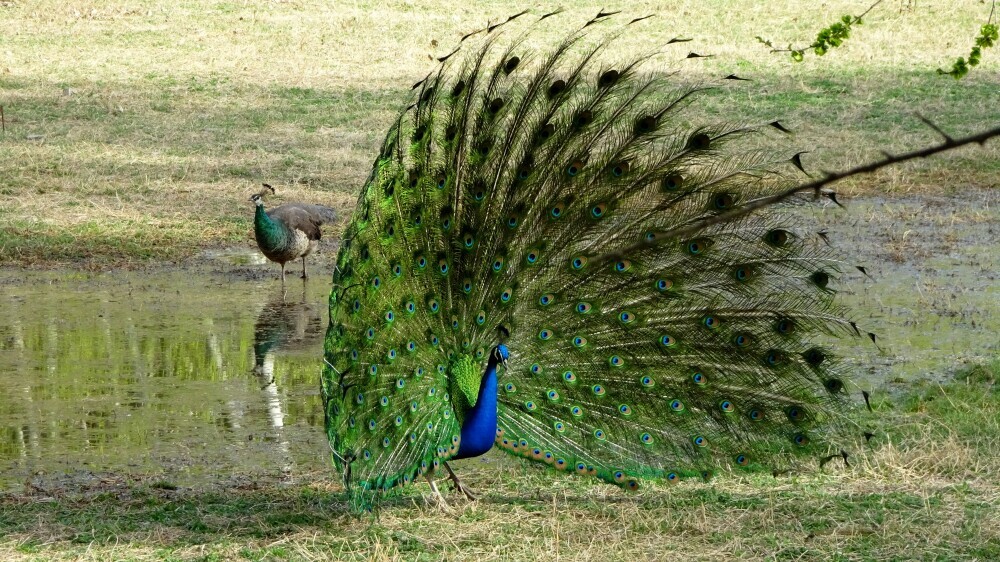
For example, a peacock eye feather looks completely different when every barb and tiny detail is sharp, compared to just one section in focus.
Three Go-To Techniques for Sharpness
- Small Apertures: I usually shoot at f/22 or even smaller when I want to get everything from edge to edge. For really tiny feathers, even narrower is fair game, but watch for diffraction. Test your lens at different apertures to find the sharpest setting for close-up use.
- Solid Support: Using a tripod isn’t optional here. Even a little shake will blur out feathers’ tiny barbs. I like to use a remote shutter or a 2-second timer, too, for extra steadiness. A beanbag or sandbag under your tripod can add more stability, especially if shooting outdoors.
- Parallel Sensor Alignment: It sounds technical, but just make sure your camera’s sensor is as parallel as possible to the feather. This keeps the whole length of the feather in the focus plane so you don’t lose sharpness at either end. Pay close attention to how the feather sits on your background; a slight angle makes a big difference.
Layering and Multiple Feathers
If you want to group several feathers together, depth of field gets even trickier.
Even a millimeter or two of difference in height can throw one feather out of focus while the others stay sharp.
Try arranging them carefully so they all sit flat.
Sometimes a simple card or piece of stiff paper underneath does the trick, and don’t be shy about using a tiny dab of removable adhesive or double-sided tape to hold feathers down if needed—just be careful to avoid damaging them.
Flattening Feathers for Cleaner Photos
Even supposedly flat feathers tend to curl slightly or lift at one end.
This curve can be beautiful up close, but it makes full sharpness tough.
I’ve found that gently pressing them with a lightweight object, like another camera lens cap, a hardcover book, or even a phone, helps keep them flat for longer exposures.
You don’t want to crush the feather, just smooth it out a bit.
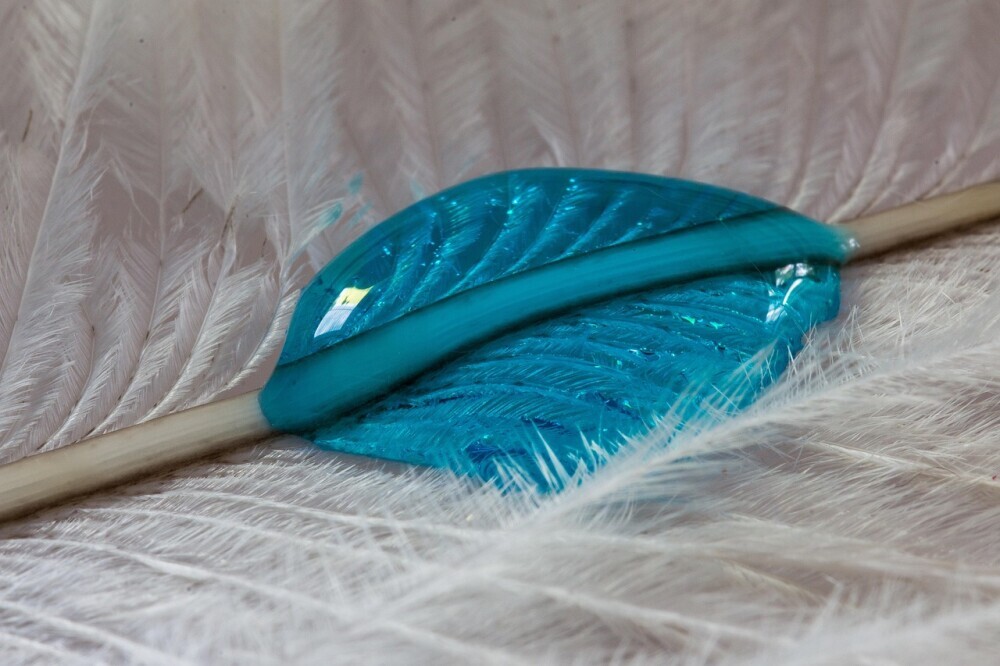
For super delicate feathers, a small acrylic sheet works well and doesn’t block the camera’s view if you angle your light source.
This extra step pays off with noticeably improved sharpness, especially around the edges, so you won’t end up with fuzzy tips or outoffocus barbs.
As a side note, some naturalists use archival glass slides to flatten tiny feathers for microscope work.
If you have very small feathers, this can work for photography too—but clean the glass thoroughly to avoid reflections or dust.
Composing and Arranging Feather Shots
Choosing whether to spotlight a single feather or group a bunch together can change the visual impact totally.
For minimalism, a single feather on a plain background, like a scrap of black velvet or a neutral desk, is hard to beat.
If you want something more dynamic, overlap several feathers to create repeating patterns and a sense of rhythm.
Try fanning out feathers in a semicircle, overlapping the quills slightly, or even arranging them in a starburst pattern for that next-level cool gallery effect.
Negative space is really powerful here, and backgrounds matter a lot.
Black velvet absorbs light and makes colors pop, but matte gray or brown textured papers can also highlight natural tones.
If you want a nature table vibe, try weathered wood, sand, or stone under the feather for added context.
If you prefer a studio look, seamless white or pastel paper works too, letting the feather’s colors take center stage.
Don’t be afraid to experiment with colored gels over your lights for a modern twist, or to try shooting with backlighting for translucent effects.
Lighting Options for Feather Photography
Working With Natural Light
Soft, diffused daylight is perfect when you want a gentle look.
A north-facing window or shooting outside on a cloudy day gives you those soft shadows that work well with delicate subjects.
The only catch is, with small apertures for maximum depth, you may need a tripod and longer exposures.
Even under good daylight, it can be tough to get the power you want for detailed macro shots.
A white bedsheet or a diffuser can soften direct sunlight for more control. Try shooting at different times of day to see how natural light changes feather colors.
Flash Techniques for Feathers
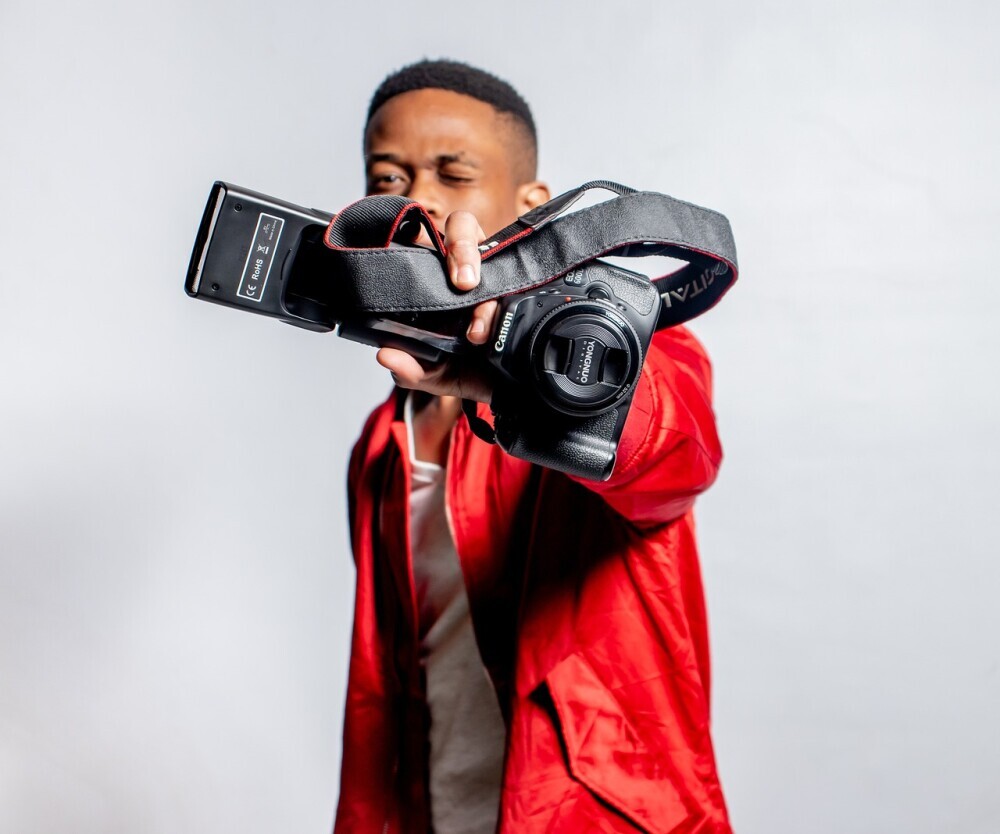
If you’re aiming for feather detail, flash is the way to go.
It lets you shoot at tiny apertures, freezes even the tiniest movement (like a gust of air or a tap on the table), and adds punch to feather texture.
I use a dedicated macro flash or an offcamera speedlight with a softbox when possible.
The control and consistency really do make a difference in clarity, contrast, and color accuracy.
On-Camera Flash vs Off-Camera Flash
On-Camera (Ring) Flash
A ring flash or a flash mounted right above the camera lens gives totally even, shadowfree lighting.
This is great if you want to document the feather with as little drama as possible.
Every part is lit evenly, and nothing is lost to heavy shadow. It’s a classic look for field guides and educational materials, where accuracy is key.
This also works well for feathers with strong iridescence, since even lighting helps smooth the range of visible color.
Off-Camera Flash Upgrades
For a more artistic look, offcamera flash gives you creative control over contrast and depth.
By moving your light source to the side, you bring out microtextures and subtle ripples that a ring flash can flatten.
If you’re going for gallery-worthy images, this trick for adding a bit of drama works wonders.
A cheap light stand or even a stack of books can support your flash, so no need for fancy gear.
Try feathering the light, where you use the edge of the beam rather than the direct center, to add a gentle gradient across the feather’s length.
Controlling Feather Texture With Flash Angles
Light direction shapes how the feather’s texture comes through in your final shot.
Sending light across the feather’s surface at a right angle (from the side) creates bold shadows and brings out every barb and ridge.
At a fortyfive degree angle, the effect is more subtle, with balanced highlights and shadow.
Skimming the light really close to the feather creates rich texture and depth, revealing patterns invisible to the eye otherwise.
If you have a friend or family member handy, asking them to hold the flash at different angles can help, but I often just use a flexible tripod or prop the flash on something nearby.
Adjusting as you go lets you dial in exactly the look you want. Take several test shots at different angles to find the sweet spot for each feather.
Getting Creative With Light Direction
Small adjustments in flash or light source position can completely change a feather photo’s feel.
Flat lighting gives you clean, clinical detail, while angled lighting adds drama and dimension. I encourage experimenting; move your light, try different distances, and notice how texture pops or recedes.
Over time, you’ll develop an instinct for what style matches each feather or arrangement.
For iridescent feathers, vary the light angle so you can show off their color shifts—sometimes moving just an inch creates a rainbow effect.
Common Pitfalls in Feather Photography
- Overusing shallow depth of field: I’ve seen a lot of feather shots where only one part is sharp and the rest is a blur. While this works for mood sometimes, it usually means missing out on the feather’s beauty and detail.
- Handholding the camera: At high magnification, even a tiny tremor equals ruined detail. A tripod is really important here, along with a shutter release or timer.
- Ignoring feather curves: Photographing a feather without flattening it first? Get ready for a sharp base and a blurry tip, or vice versa.
- Too much editing: Pushing contrast and saturation too far destroys the subtle transitions and fine structure that make feather photos interesting. Same goes for using filters that boost noise. Aim for natural color, unless you’re intentionally going for an artistic effect.
- Using the wrong feathers: Dyed craft feathers look cool but lack the complex natural structure that’s so photogenic in wild feathers. Unless you want a stylized look, stick with natural feathers when possible.
Taking Feather Photography Toward Fine Art
Once you’ve got the technique down, it’s easy to turn feathers from specimens into something worthy of an art show.
Look for symmetry, play with repeating shapes, and use negative space or unusual angles for an abstract look.
If you’re aiming to print, shoot at the highest possible resolution and doublecheck focus.
Fine detail matters even more when you’re going big.
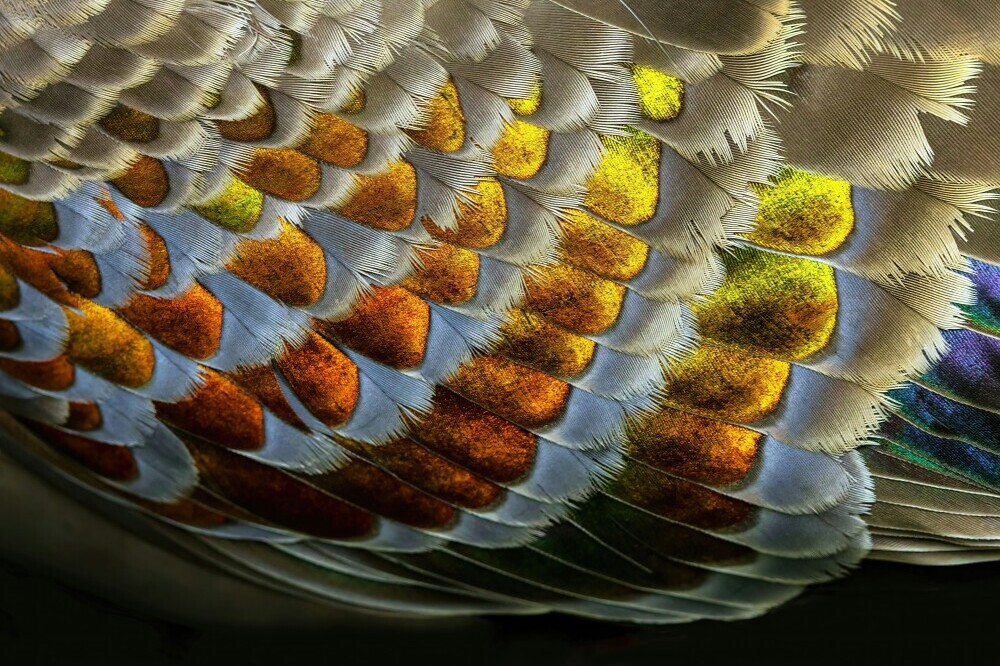
It’s also worth considering your printing surface; matte paper often looks best for feather photos since it reduces glare and lets textures shine.
If you want a metallic or glossy effect, experiment with print samples to find what makes your work pop.
Mounting options like floating frames can give your images an extra boost of presence in a gallery or at home.
Frequently Asked Questions
Starting out in feather photography comes with a few common questions. Here’s what I usually hear:
What aperture is best for feather photography?
Go for f/22, f/32, or whatever the smallest setting your lens supports without too much loss in sharpness from diffraction. The goal is to get as much of the feather sharp as possible. Try several apertures and compare the results for your specific lens and distance.
Can I photograph feathers without a macro lens?
It’s doable with a standard kit lens and some cropping, but for capturing the really fine details, a macro lens (1:1 magnification or higher) makes a huge difference. Extension tubes can also help you get closer without breaking the bank.
Is flash necessary for feather photos?
If you want edge-to-edge focus and maximum detail, especially indoors, a flash is super useful. You can use natural light if you have enough to support small apertures and still keep a fast enough shutter for sharpness. Try both approaches to see which you prefer.
Are collected feathers legal to photograph?
Photographing feathers is usually fine, but check your local and national regulations before collecting or keeping them, especially from wild birds. Many places have restrictions for protected species, even if the feathers were found, not taken from a live bird.
More Macro and Bird Photography Resources
- Macro bird photography techniques
- Creative use of depth of field in bird photos
- Post-processing fine detail in bird photography
Capturing feathers in detail is one of those creative projects that can hook you for hours.
I love how patience, careful handling, and some simple tricks with light and focus bring out nature’s hidden art in a way few other subjects can.
With a bit of persistence and willingness to experiment, you’ll start seeing possibilities everywhere.
Each feather you find becomes a canvas for something new, whether you like raw realism or next-level cool abstract designs.
So grab your camera, head outside or gather up some feathers from a craft shop, and get shooting—you never know what kinds of beauty you’ll stumble upon next.