
Drone bird photography is buzzing with interest these days, especially among beginners who are eager to capture stunning shots from the sky.
With drones, you get this totally cool perspective that’s hard to beat. It’s like having your own mini helicopter without, well, the helicopter costs.
For those just starting out, picking the right drone can feel a bit like navigating a foggy forest.
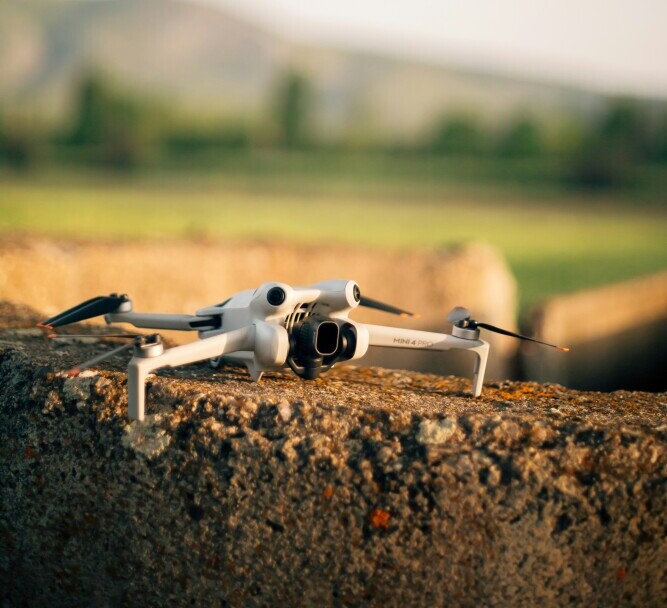
You need something that’s easy to fly and comes with a killer camera to snap those detail-packed images of birds without disturbing them.
Lucky for you, I’ve got the scoop on how to simplify that search.
You’ll find this guide super handy as it breaks down the essentials for picking a reliable, cost-effective drone that’s user-friendly.
Whether you’re shopping on a tight budget or ready to invest a bit more, there’s something here for every newbie bird-watcher wanting to get into aerial photography.
Key Features of Drones Suitable for Beginner Bird Photographers
Let’s get straight to the must-haves for a drone that fits a beginner bird photographer’s bill.
Every new flyer absolutely needs a drone that’s easy to control.
Trust me, the last thing you want is for your new gear to veer off course just as you’re about to capture that perfect shot of a rare bird.
Stability high up in the sky is crucial, so lookout for built-in obstacle-avoidance sensors.
They might just save your drone from an unexpected crash course into a tree—and save you from the heartache of lost footage.
Another game-changer is peaceful flight.
A quiet drone won’t spook your feathered subjects, allowing you to capture those natural moments without any frantic fluttering and flapping.
Battery life is your golden ticket.
You want something that can stay airborne for a good while to catch all the action without having to land too soon for a recharge.
Portability is a big plus. Look for designs that are lightweight and easy to pack because you never know when the opportunity for the perfect shot will arise while you’re out and about.
Now, if you want your pictures to pop, the drone’s got to have a camera that can deliver.
Think 4K video and high-resolution photos.
Sharp image quality is where it’s at, along with a dynamic range that handles both bright skies and shaded canopies with ease.
Zoom capabilities open up a whole new world, allowing you to get close without physically getting close, which is great for those shy birds.
Shooting in RAW is another feature to snap up for that post-editing flexibility.
Top Picks: Best Beginner Drones for Bird Photography
Alright, let’s tackle some of the best beginner-friendly drones that have won the hearts of bird photographers everywhere.
I’ve rounded up solid picks that balance great features with user-friendliness, so you don’t have to do the heavy lifting.
First up is the DJI Mini 4 Pro, the top pick for those stepping into drone bird photography.
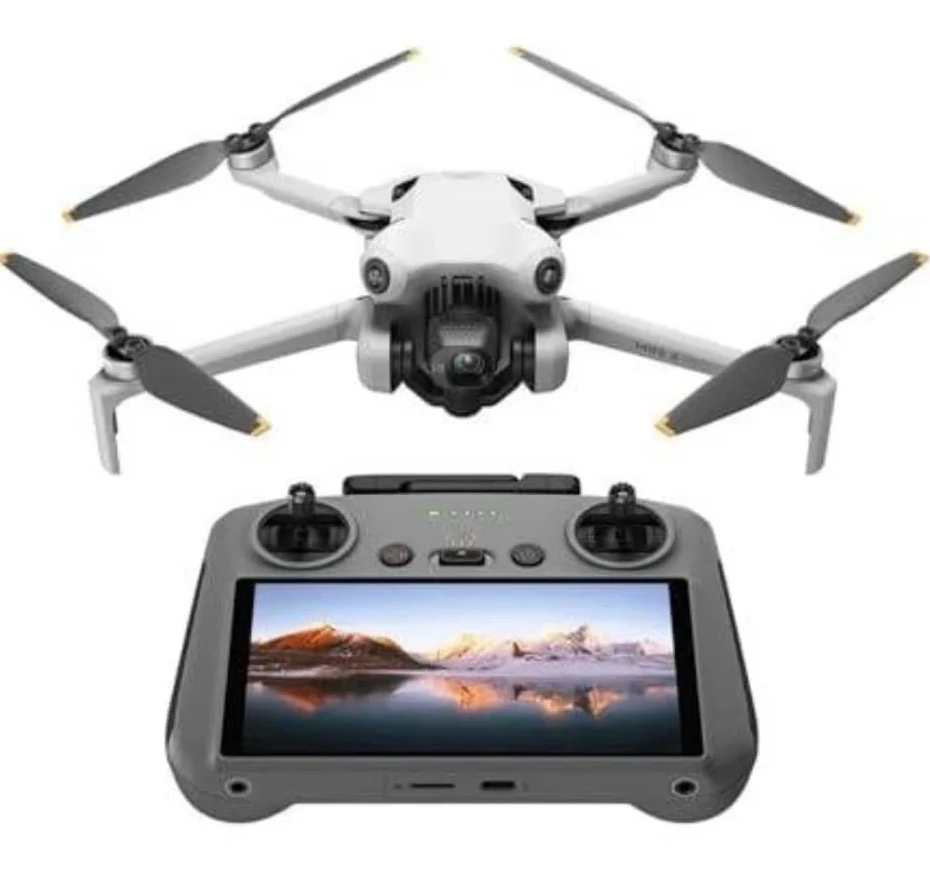 (Cortesy of @allaboutdrone)
This lightweight marvel packs a punch with its 4K camera and omnidirectional obstacle sensors, perfect for newbies testing the waters.
Plus, it’s quiet as a breeze, making it ideal for capturing those relaxed bird scenes.
Just be mindful that its compact size means you might want a backup battery for longer adventures.
Then there’s the DJI Mini 3 Pro if you’re watching your budget but still crave quality.
It offers awesome low-light performance and high-quality photos.
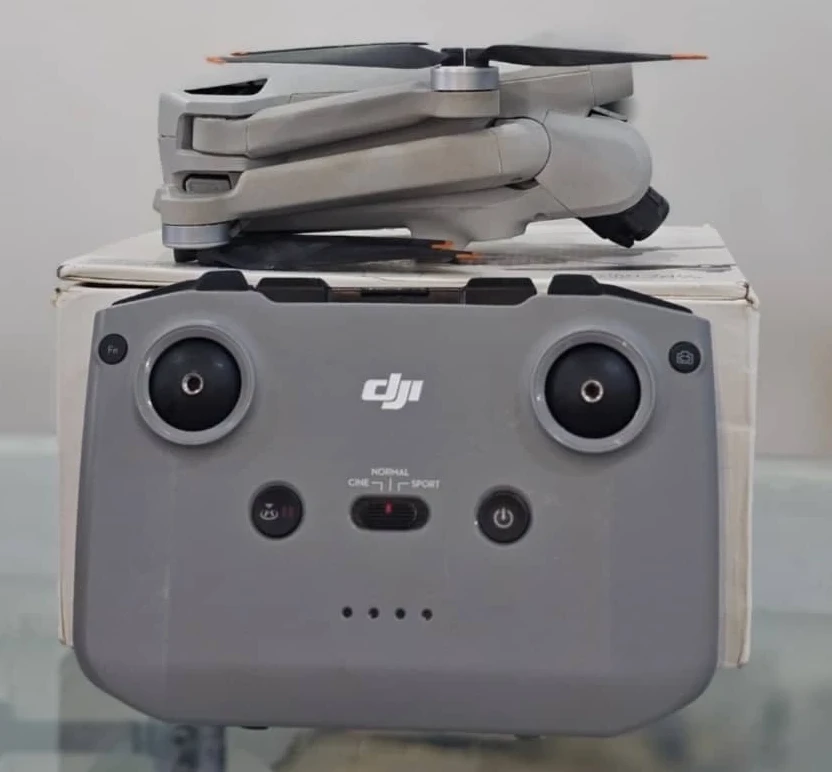 (Courtesy of @Magana_abdull1)
The sound of its motors won’t send birds fleeing, another point in its favor. Though a bit stripped down in features compared to the Mini 4 Pro, its budget-flexibility makes it a darling among beginners.
If you’re not into DJI, the Autel EVO Nano+ is your go-to.
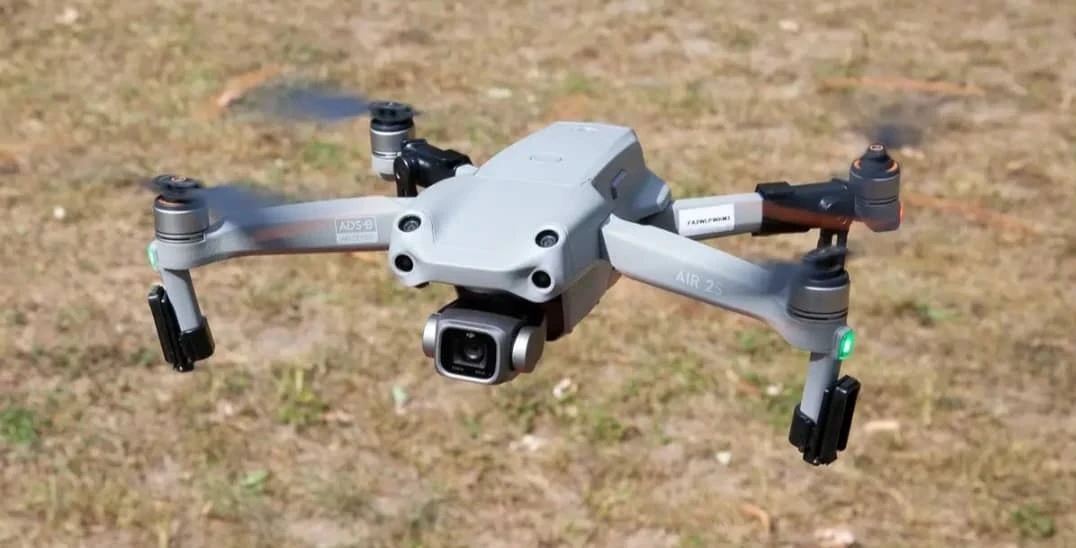
It shines with a large sensor, excelling in low-light conditions—perfect for those dawn or dusk captures.
Not being tied to DJI’s ecosystem is a bonus for some. However, it might not be as widely compatible with third-party apps, a small trade-off for gaining independence.
Concerned about crashing?
The Skydio 2+ takes obstacle avoidance to a whole new level with its advanced autonomous flying technology.
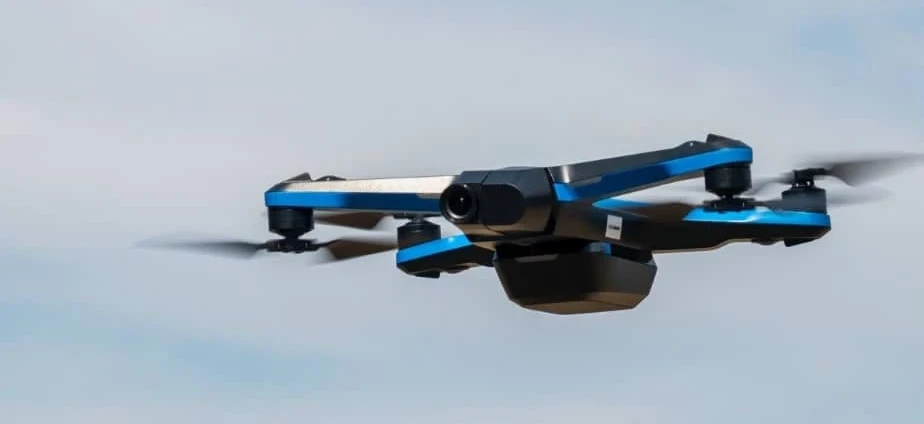
It’s almost like having a co-pilot. While this drone is a lifesaver in cluttered areas, remember it’s not for all terrains, due to some GPS restrictions.
For those who envision scaling up their skills, the DJI Air 3 is your ticket to more advanced photography.
With its dual camera system, it teeters on the edge of professional bird photography equipment, ready for serious picture takers.
A tad heavier, yes, but its capabilities justify every gram.
All these drones serve different needs, so think about what matches your style and your future plans in photography. Ready to check them out?
Hit up the links to Amazon, DJI, or Autel to kickstart your new hobby.
Comparison of the Best Beginner Drones
Here’s the scoop on comparing some of the best beginner drones for bird photography.
This quick glance paragraph makes it easy to see where each drone shines and where it might not quite hit the mark.
Check out this handy paragraph to get the scoop—all the essential details without any fluff.
Start with weight comparisons. A lighter model like the DJI Mini series is easy to lug around without breaking a sweat, while heavier options like the DJI Air 3 pack more advanced tech.
Flight time is crucial—nobody wants to get cut short mid-flight. Different drones offer different airtime, and it’s important to line up with what your sessions demand.
Sensor size makes a world of difference when capturing those detailed bird shots.
Larger sensors excel in capturing vibrant details, especially in low light conditions.
Don’t skip the photo and video resolution comparison. Top picks typically offer 4K resolution or higher, ideal for crisp, professional-quality images.
For obstacle avoidance, see which models come stacked. The Skydio 2+ takes the lead with its advanced system, a boon for avoiding crashes, especially in cluttered areas.
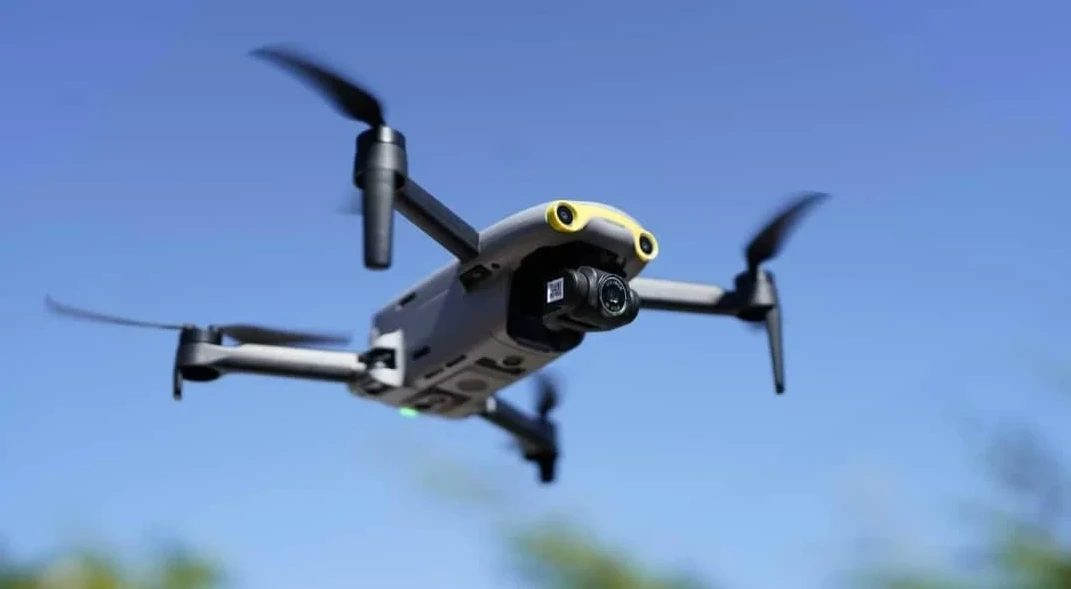 (Courtesy TarvaLLe)
Pricing plays a part too—pair these features with what fits your budget. Affordable without cutting essential features, or splurge a bit more for future-proofing.
Finally, check the ideal usage—different drones thrive in different environments, whether it’s tranquil wetlands or breezy open fields.
Match your pick to your flying style and the habitats you love to explore.
This comparison paragraph is a clear snapshot of what’s out there, helping you quickly spot which drone ticks all the right boxes for your bird photography adventures.
Factors to Consider Before Buying a Beginner Drone
Alright, investing in a drone isn’t something you want to rush.
Let’s break down what you really need to think about before laying down your hard-earned cash.
First off, budget. There are affordable options that don’t skimp on quality, perfect for trying things out without seeing dollar signs in your dreams.
You could also eye those slightly pricier models if long-term use and advanced features sound appealing.
Then, get a handle on the flight laws where you’re at.
Some places might have more paperwork than others, and registration or a license might be in the cards.
Easier navigation now saves headaches later.
Think about the birds you’re after.
Smaller, quieter drones are less likely to disturb small, skittish types, while a drone with longer range capabilities might be more suited for snapping waterbirds or raptors without getting in their spaces.
Consider your portability needs.
If you’re always on the move, a lightweight drone is a blessing. On the flip side, if packing isn’t a major concern, a heavier model can mean more features.
One word: accessories. Essential add-ons can make or break your experience.
Think ND filters for controlling light exposure, extra batteries for extended adventures, and, of course, a solid carrying case.
Memory cards, too—because running out of storage midway isn’t fun.
It pays to weigh these factors carefully.
Your perfect drone is out there, waiting to become the go-to for every bird-watching journey you embark on.
Safety Tips for Beginner Drone Users Around Birds
Drone bird photography isn’t just about snapping stunning shots—it’s also about doing it responsibly.
Keeping safe distances is key. Hovering too close might stress out your feathered friends or disrupt their daily routines.
Always give nests wide berth. Crowding round these natural sanctuaries can lead to agitation and potential abandonment, which we definitely want to avoid.
Flight approach matters.
Start high and descend gradually so your drone doesn’t come off as a strange, invasive bird of prey.
Abrupt movements not only lead to blurry images but can scare off your subjects.
Timing is also crucial. Breeding season is a no-go zone for drone photography. Birds need their space during this time to ensure healthy populations thrive.
Opt for quiet drones—they’re less likely to attract unwanted attention or cause disturbances.
It keeps things harmonious and allows for more candid captures.
By combining these practices, you protect both your equipment and the wildlife, ensuring a rewarding, guilt-free drone photography experience.
Essential Accessories and Practice Locations for Beginners
Equipping yourself with the right accessories can elevate your drone bird photography game.
ND filter kits are a good investment. These let you adjust light exposure without sacrificing image quality — just what you need for those sunny days in the field.
Extra batteries are another must-have. There’s nothing worse than the drone beeping a low battery warning just as you catch sight of a rare bird.
Keep a few spares charged and ready to go for extended flying sessions.
Don’t forget about propeller guards.
These handy add-ons protect your drone from bumps and bruises it might get during harsh landings or close encounters with branches.

Consider investing in a solid backpack or a hard case to keep your gear safe while traveling.
A reliable carrying solution lets you comfortably take your gear wherever your bird-watching leads.
As for practice spots, target areas like wetlands, lakeshores, and beaches. These open spaces offer plenty of room for maneuvering while you’re still getting a handle on your new equipment.
Large fields and parks can be great for flights too, offering beginner-friendly conditions to master control.
Steer clear of dense forests or uneven terrain when starting out.
Open spaces make it easier to gain confidence and skill without worrying about obstacles.
Armed with the right accessories and practicing in welcoming environments, you’ll get the hang of things in no time, setting the stage for those picture-perfect bird shots.